Dissent is not dysfunction, institutions need it - The Indian Express
Deliberation, debate, and internal dissent form the lifeblood of any functional constitutional democracy. Yet, an elementary principle of constitutional jurisprudence governs all collegiate bodies: While deliberation and dissent represent the intellectual process, it is the final outcome that constitutes the binding decision.
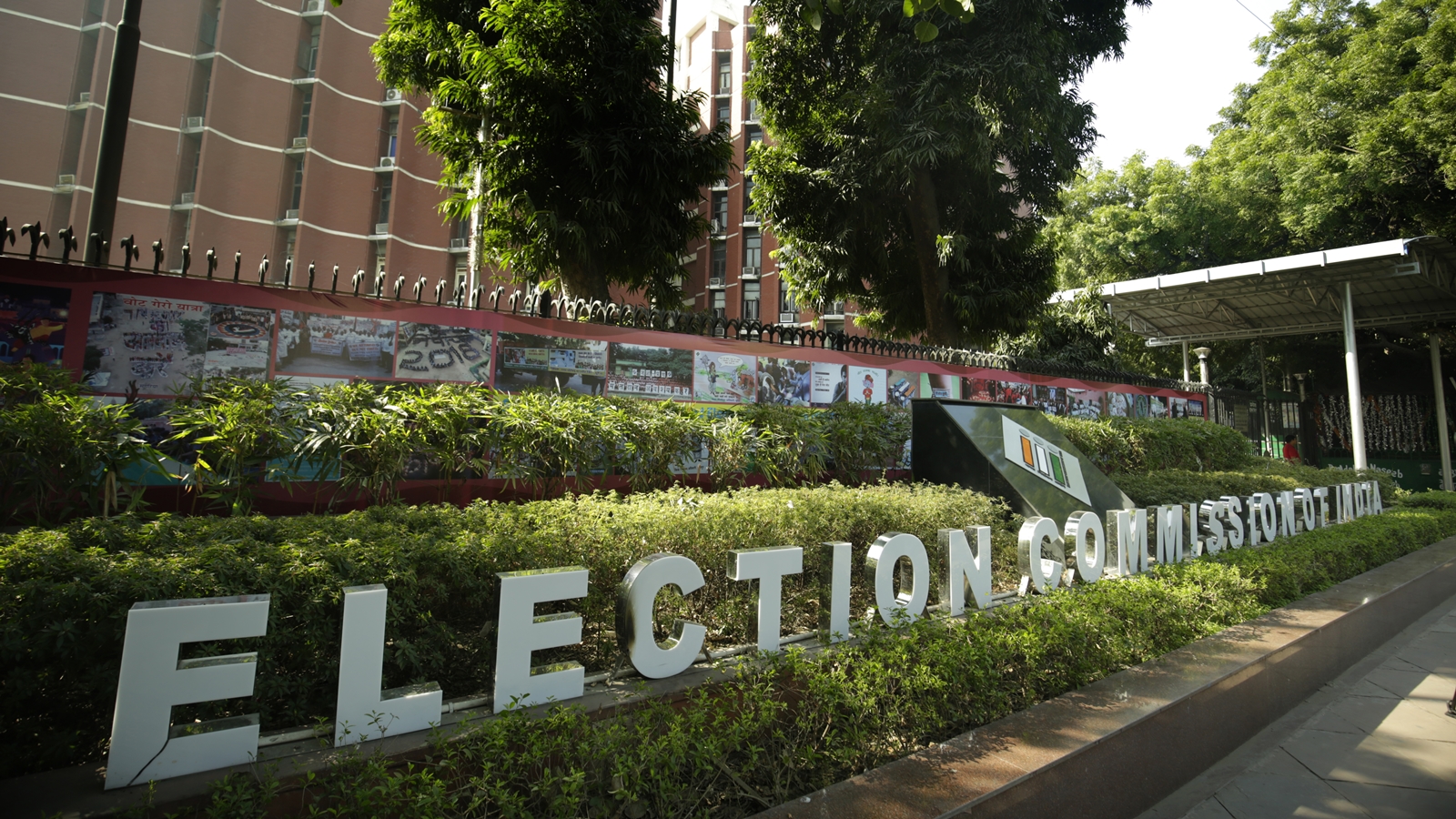
To challenge the legitimacy of an institution simply because its internal deliberations reflect divergent viewpoints, or because a ruling does not produce absolute unanimity, is legally unlettered and a calculated assault on institutional integrity. A multi-member body is crafted to assemble diverse viewpoints. When the Constitution provided for an Election Commission (ECI) under Article 324, and Parliament subsequently framed statutory frameworks to govern its functioning, the law explicitly structured the mechanics of collegiate decision-making.
Section 18 of the statutory enactment governing the ECI provides that while it should endeavour to act unanimously, in the event of any difference of opinion, matters must be decided according to the opinion of the majority. Consequently, an order delivered by even a 2:1 split does not suffer from any constitutional or legal infirmity. In the eyes of the law, the majority verdict is the sovereign verdict of the ECI.
The legal fiction that collegiate bodies require absolute unanimity was put to rest three decades ago by the Supreme Court in its landmark five-judge Constitution Bench ruling in T N Seshan, Chief Election Commissioner of India v. Union of India & Ors. (1995). The then-CEC challenged the conversion of the ECI from a single-member entity to a multi-member collegiate body, claiming absolute primacy and asserting that collegiate decision-making would impair institutional efficiency. The Court, speaking through Chief Justice A M Ahmadi, dismissed the challenge in its entirety. It held, “The function of the Election Commission is to take decisions through the process of collective deliberation, and in the event of a difference of opinion among the members, by a majority… the view of the majority is the view of the body.”
The apex court operates under the identical constitutional premise. Landmark rulings, including the Kesavananda Bharati judgment, which established the Basic Structure doctrine via a razor-thin 7:6 majority, govern the Republic of India.
Congress’s claim to be a protector of institutional autonomy is discredited by its history of institutional subversion.
During the UPA regime, reports widely highlighted that appointments were steered directly through party channels. Reputed news agencies documented that critical appointment files for the electoral watchdog were cleared directly at the behest of Sonia Gandhi, culminating in the appointment of Navin Chawla as Election Commissioner in 2005.
Decades earlier, the Justice J C Shah Commission, established to investigate excesses committed during the 1975–1977 Emergency, explicitly found Chawla “unfit to hold any public office” due to documented abuse of administrative power. The institutional crisis peaked when sitting CEC N Gopalaswami invoked his constitutional prerogative under Article 324(5), submitting a detailed note to the President seeking Chawla’s removal on grounds of institutional bias and political partisanship. Instead of honouring the constitutional framework, the Congress government summarily rejected the recommendation and rewarded Chawla by elevating him to CEC.
An equally damaging blow to the perception of electoral independence was dealt in the case of M S Gill. After being CEC, Gill was rewarded by Congress with a Rajya Sabha seat and inducted into the Union Cabinet as a minister of state.
Those who spent decades superseding judges, abusing emergency powers, treating election commissioners’ appointments as party prerogatives, and awarding cabinet berths to referees after retirement possess zero moral or jurisprudential authority to question India’s constitutional institutions today. Institutional integrity is preserved not by manufactured consensus, but by faithful adherence to the Constitution, statutory mandates, and respect for collegiate outcomes.