Don't end up punishing India: JPMorgan CEO asks US to rethink Russian oil tariffs
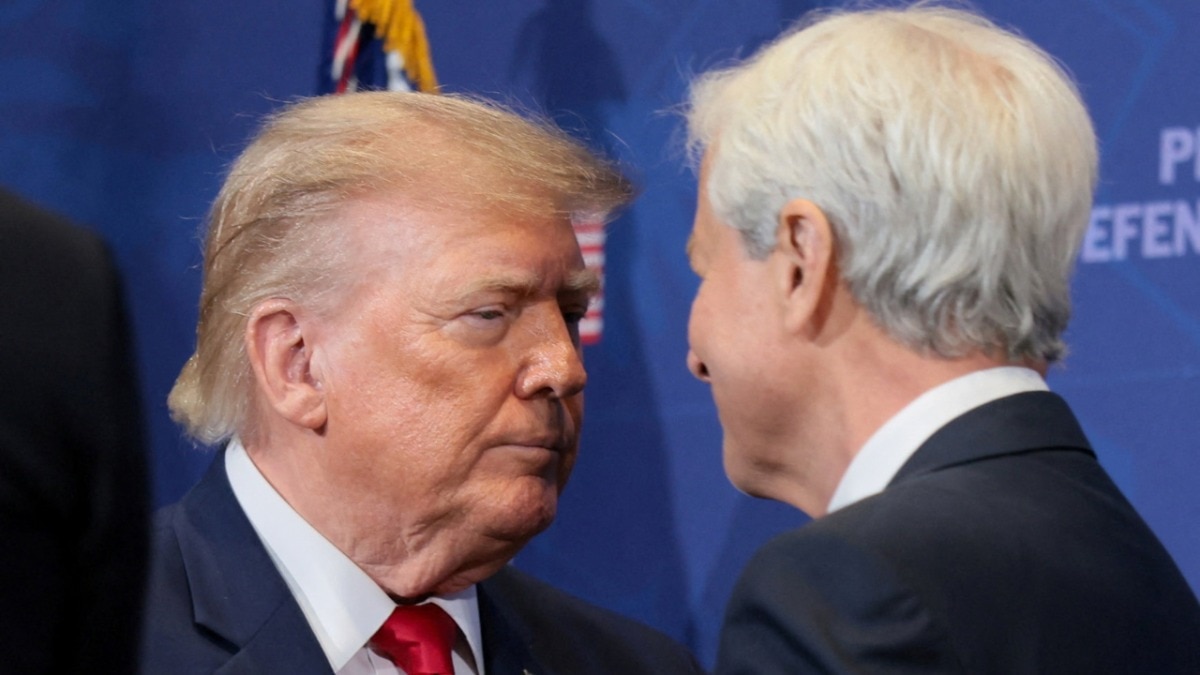
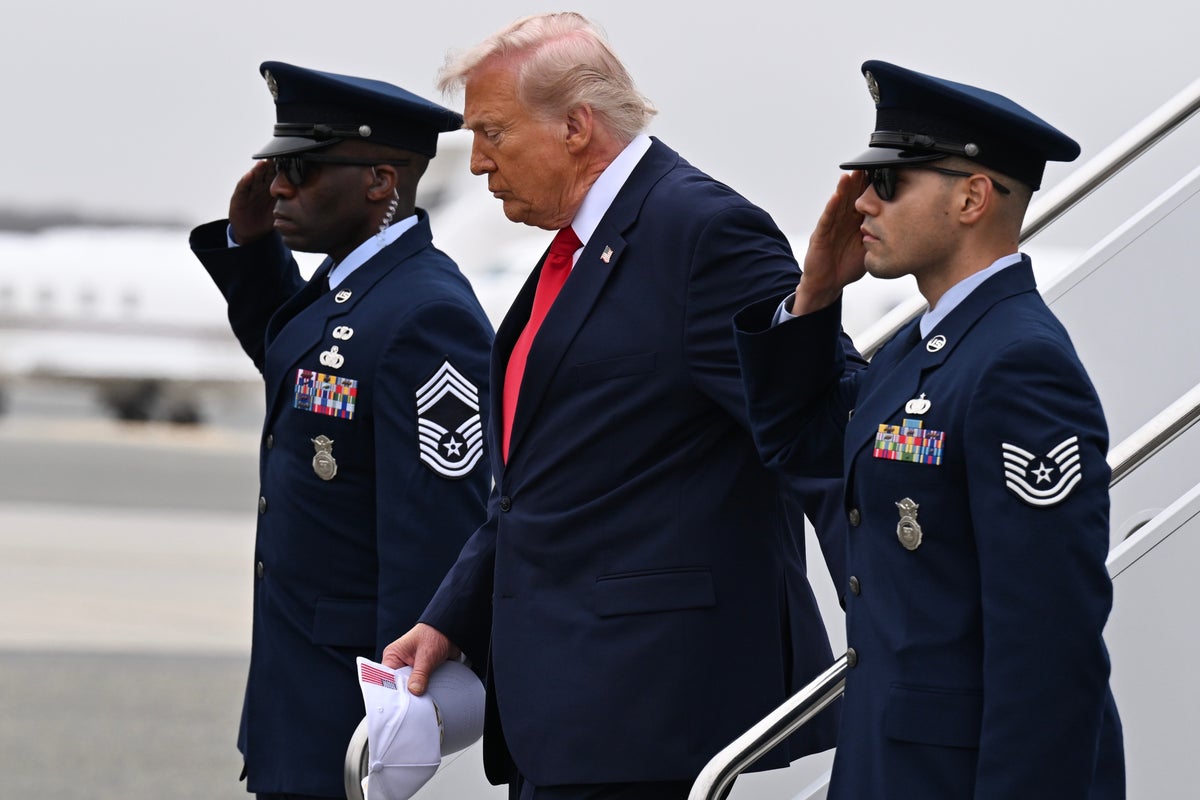
US President Donald Trump has signed into law a sweeping Russia sanctions package that gives his administration the power to impose tariffs of up to 100 per cent on major buyers of Russian oil and gas, including India and China. As the new law puts India's Russian oil purchases under greater scrutiny, JPMorgan Chase CEO Jamie Dimon has urged Washington to consider the impact on Indian refiners and global oil markets before imposing such tariffs.
Speaking to CNBC-TV18 on the sidelines of the JPMorgan India Investor Conference in Mumbai, Dimon said the US should first understand how Russian crude is used by Indian refineries before deciding on further measures.
His comments come as Washington seeks to increase pressure on countries that continue to purchase Russian oil. India is among the world's biggest crude oil importers and has emerged as a major buyer of Russian crude.
"I think hopefully America will sit down and understand all those issues and, you know, not end up punishing India and the world oil markets while doing what we need to do to combat Russia," Dimon said.
He also questioned whether tariffs on Russian oil were the right way to pressure Moscow.
"I'm not sure I think we should be putting any kind of tariffs on the oil," he said.
Dimon's concern centres on the different types of crude oil used by refineries. While India can source oil from several countries, crude grades are not necessarily interchangeable, as individual refineries are designed to process particular types of oil. Dimon said replacing Russian supplies could therefore involve more than simply finding another supplier.
"If they don't buy it here, they have to buy it elsewhere," he said, pointing to the possibility that alternative crude may not be suitable for particular Indian refineries.
"I think in this case would be quite respectful of the fact that, you know, some of that oil is refined and imported. If they don't buy it here, they have to buy it elsewhere. It might not be the right kind of oil for those refineries," he said.
Any restrictions on Russian crude could have consequences beyond the immediate target of Moscow, particularly if they disrupt established supplies or push up prices in the international oil market.TRUMP'S RUSSIA SANCTIONS LAW
The comments came days after Trump signed the Russia sanctions legislation into law. The measure authorises tariffs of up to 100 per cent on countries that continue to buy Russian oil and other energy products. The legislation is aimed at increasing economic pressure on Russia over its war in Ukraine. But because India and China are among the largest buyers of Russian energy, the measure could also have significant implications for their trade with Moscow.
Dimon said the US should continue supporting Ukraine, while also taking into account the wider consequences of measures targeting Russian energy exports.
"I think we should be doing more to help Ukraine," he said.
He also urged Washington to discuss with New Delhi how any restrictions should be implemented rather than taking measures that could disrupt established oil flows.INDIA'S 'PEOPLE FIRST' ENERGY POLICY
India has defended its continued purchase of Russian oil by stressing the importance of securing affordable and reliable energy for its population.
Indian Ambassador to the US Vinay Mohan Kwatra said last week that India's energy policy is guided by a "people first" approach, shortly after the US Congress passed the legislation authorising steep tariffs on countries buying Russian energy.
"The energy security of India's people comes first," Kwatra said in a post on X.
"Our choices are guided by availability, affordability, market conditions and commercial viability," he said. Kwatra also highlighted India's dependence on imported energy. The country imports more than 85 per cent of its crude oil and around half of its natural gas, making international prices and supply disruptions important factors for the Indian economy.
He said India had previously taken steps to protect consumers from sharp price increases when geopolitical conflicts disrupted global energy supplies.
"That also helped steady global energy markets and prevent a deeper crisis," he said.
"Our sourcing reflects a fundamental national responsibility: looking outside our borders to secure adequate, affordable and uninterrupted energy for our people," the Indian envoy said.
The legislation, known as the Lindsey O Graham Sanctioning Russia and Iran Act, gives Trump the authority to impose the additional tariffs on countries that continue to trade with Moscow.INDIA'S RUSSIAN OIL IMPORTS FALL
India's Russian oil imports have already declined from the previous month, according to tanker data provided to Reuters.
The country imported around 2.1 million barrels per day (bpd) of Russian crude in August, down 16.5 per cent from July. Russian oil accounted for about 47 per cent of India's overall crude imports during the month.
India imported 4.44 million bpd of oil in total in August. That was nearly 8.8 per cent lower than July and 9.8 per cent below the level recorded a year earlier.
The tanker data includes some crude cargoes that arrived in August but were discharged in September, as well as shipments that arrived in July but were discharged in August.
Dimon also spoke about the broader economic relationship between India and the US, saying tensions over Russia and the Ukraine war had added complexity to bilateral ties. He urged both governments to keep working towards completing their stalled trade agreement.
"If I was urging both governments, sit down and try to finish it," he said.
Dimon also stressed the importance of predictability for companies operating across borders, particularly when it comes to regulations, laws and the treatment of capital.
"It's important to have stability," he said.
The Russian oil trade is now testing India-US economic ties. While Washington seeks to increase pressure on Moscow, New Delhi continues to prioritise affordable and reliable energy supplies.- EndsPublished By: Satyam SinghPublished On: Sep 22, 2026 19:17 IST