Eby defends his plan to tax the rich as campaigns tackle health care crisis

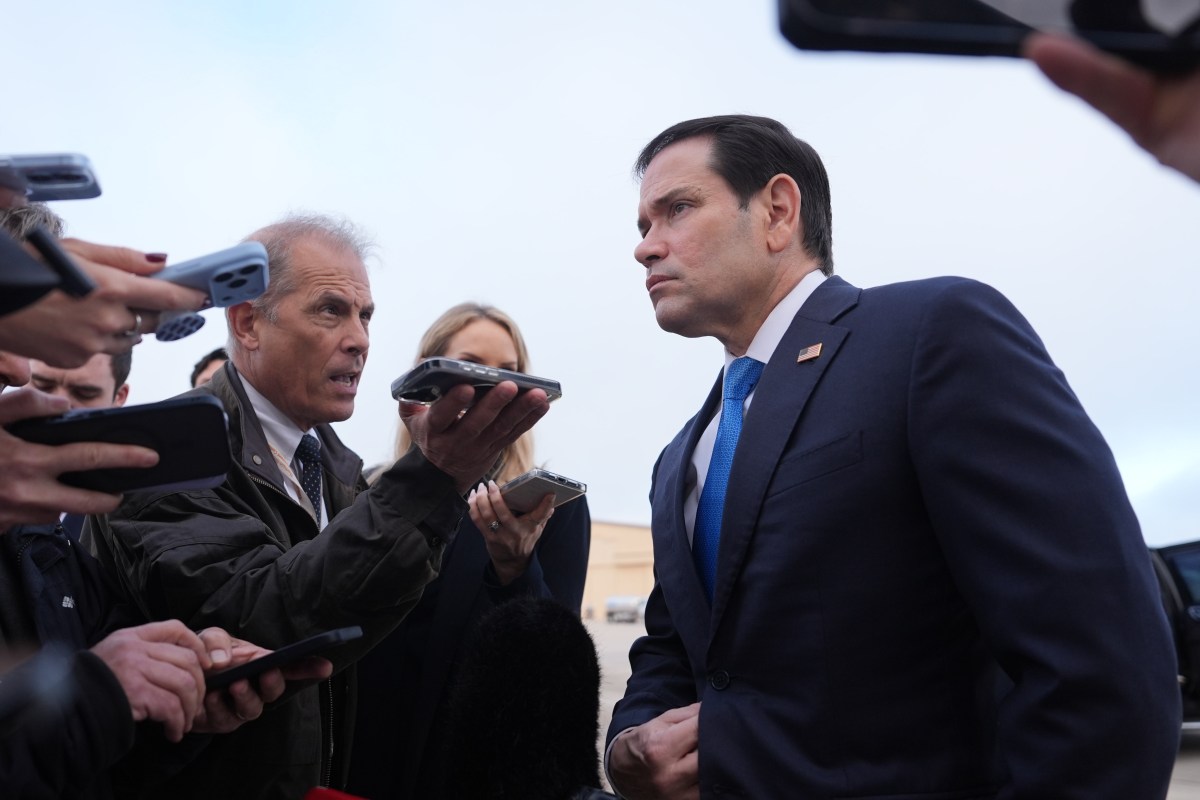
BC NDP Leader David Eby is campaigning in Victoria on Monday, but an announcement he made on Sunday is generating a lot of reaction.
Eby announced that if his party is re-elected, he will introduce a new tax bracket for those who earn $1 million or more to help pay for health care.
“We’re glad when people are successful; it’s fantastic,” Eby said.
“We cheer for them; we want them to be successful. And it’s also right to ask people who earn a little bit more to pitch in in a moment like this, when people across the province need those strong public services.”
The BC Conservatives are calling the proposal a “doctor’s tax” and claim it will drive well-paid physicians out of the province.
“What I’m very fearful of is that while we try to attract doctors to this jurisdiction, and what I mean by that is British Columbia, the reality is that this tax seems to be levied right at this group of people,” BC Conservative leader Lorne Doerkson said at an event on Monday.
“And I feel that that is a negative situation for doctors that are considering coming here. Frankly, I feel that it may even drive doctors from our province. So these types of announcements are not helping in British Columbia.”
On Monday, Doerkson announced the BC Conservatives’ health-care plan for the province.
He said they will “build a world-class public health care system” for British Columbians and said they will “maintain health-care funding at the levels that have been approved in 2026.”
“More importantly, when the finance minister starts to build the budget each and every year, our first decision will be to fully fund health care. I want to repeat that because this is very important. Our first decision in every budget will be to fully fund healthcare.”
Doerkson said they will also prioritize B.C. students for medical training, fast-track credentialing for foreign-trained Canadian doctors coming back to B.C. and automatically recognize credentials from other provinces.
They will also enforce zero tolerance for violence in hospitals and reverse emergency room and maternity closures and increase rural health-care access.
“A Conservative government will establish clear expectations for essential health services in rural and regional communities, and we will create more flexible staffing capacity to avoid emergency room and maternity ward closures,” Doerkson added.
He said they will create a $50 million emergency fund, which will be available for rural medical practices to prevent closures and aid recruitment.
And in the first 100 days after taking office, Doerkson said they will establish an expert review panel to examine “universally publicly-funded health-care systems around the world and recommend proven practices that can be used to improve health care in British Columbia.”
Doerkson said the $50 million fund would be part of the 2026 budget.
Eby while in Victoria also announced his party’s plan to strengthen health care for seniors.
He pledged free shingles vaccines for all adults aged 50-plus and all immunocompromised adults, adding 500 health-care workers to give more seniors faster, hands-on support, scrapping user fees, and expanding virtual long-term care at home monitoring, bringing more nurse practitioners, pharmacy services, and virtual specialist consultations into long-term care homes, moving ahead with seven long-term care projects that had been paused earlier this year and fair wages for care workers.
“When I think about groups that are particularly concerned about and interested in the future of health-care in the province, it’s the people who help build this province, its seniors,” Eby said.
“There’s one thing I know about these challenges and about what seniors are looking for with absolute certainty: it’s that the Conservative commitment to cut health care, to cut education, to put costs on the backs of British Columbians is not gonna solve these hard health care challenges.”
Eby said the money from the tax on those earning at least $1 million will help fund some of these health-care initiatives.
“It’s important to recognize that even with these tax changes, British Columbia will have one of the lowest tax rates for medical professionals and all other kinds of professionals in the entire country and will maintain our status as the lowest income tax level for people who are middle income in the province,” Eby said.
“Ninety-six per cent of people in the province will not see any impact from these tax changes, asking people who have a little bit more to give a little more during this challenging time for the province, and seniors are struggling with not being able to get the shingles vaccine, for example, that’s the right thing to do.”
BC Greens Leader Emily Lowan was also in Victoria on Monday, announcing a plan to tax the wealthy, but only British Columbians with more than $50 million in wealth.
Called the Fair Share Act, the revenue will help fund universal childcare, free public transit and affordable housing.
“Families and workers across B.C. keep hearing the same answer from this government: the money isn’t there,” said Lowan. “But the cupboard isn’t bare, the government just hasn’t looked in the multi-car garages. The money exists in this province. It sits with the people who make more in their sleep than a worker makes in a year. We just haven’t had a government with the political will to ask for it.”
She said their tax targets what wealthy people own, not what they are paid.
The BC Greens said it would be a one-time Fair Share Tax, starting at five per cent on net wealth above $50 million, 10 per cent above $100 million, and 20 per cent above $1 billion.
There would then be an ongoing annual tax, starting at two per cent on net wealth above $50 million, three per cent above $100 million and five per cent above $1 billion.