Education new battlefield, pen the weapon: 8 ex-Naxals pass Class 10 in Bastar
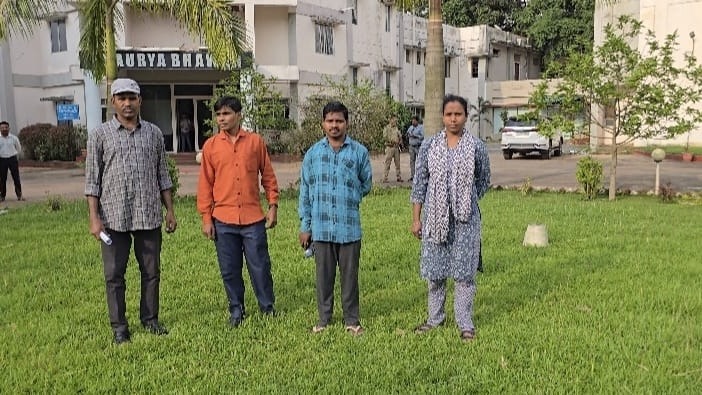
Eight former Naxalites from Chhattisgarh’s Bastar division have passed the Class 10 examination through the Chhattisgarh Open School, marking a significant step in their transition from years of insurgency to education and mainstream life.
The group includes former members of combat squads and organisational units, including Bhaskar, once a member of the Dandakaranya Special Zonal Committee (DKSZC), who cleared the examination in first division.
The eight former rebels appeared for the Class 10 examination this year and all succeeded in their first attempt. According to Bastar IG Badrinarayan Meena, the initiative is part of the rehabilitation process for surrendered Naxalites, under which they are encouraged to pursue education, vocational training and employment based on their interests and abilities.
Of the eight, six are from Bastar district, while one each is from Kanker and Bijapur. Police officials said those wishing to continue their studies would be provided assistance.
Among those who have cleared the examination is 35-year-old Geeta Narote, originally from Gadchiroli in Maharashtra.
Geeta left school after Class 6 because of family circumstances and later spent nearly two decades with the Naxalite organisation. During that period, she acquired medical skills by treating injured cadres, including stitching wounds, administering injections and providing medicines. She became known within the organisation as “Naxal Doctor Geeta”.
After surrendering, Geeta resumed her education and secured a first-division result in Class 10. She now wants to study further and pursue nursing, drawing on the medical experience she gained during her years in the forest.
Bhaskar, a native of Telangana, joined the organisation as an ordinary member in the 1990s and eventually rose to the DKSZC.
He was entrusted with major responsibilities and became proficient in handling different types of weapons. His years in Bastar, however, also brought him closer to Hindi and books. After surrendering, he appeared for the open-school examination and passed in first division.
Bhaskar has said that while weapons once defined his responsibilities, he now wants to make books his weapon. He plans to continue his education and encourage young people in his village and community to develop an interest in learning.
Sannu, from Kanker, also cleared Class 10. He had joined the organisation after witnessing hardships faced by people in his area and later received training in modern and heavy weapons before becoming a commander.
At the same time, he taught villagers and young cadres. Following his surrender, he resumed his studies and now hopes to continue his education and work for his community.
The significance of such rehabilitation is also reflected in the story of Aravinda Barsagade, 20, from Maharashtra’s Gadchiroli district. Her father, Rajbabu, had joined the Maoist organisation in 2005 before surrendering in 2010.
Aravinda went on to complete a diploma in civil engineering and has now started work as a trainee engineer. She plans to pursue a BTech while continuing to work.
The stories underline how education and rehabilitation can open pathways beyond a violent past. With the eight former Naxalites now completing Class 10, the focus is likely to shift towards higher education, skills and employment as they build new lives in the mainstream.
In May this year, Union Home Minister Amit Shah declared that India had become Naxalism-free, saying the decades-long insurgency had finally been defeated after immense sacrifices by security forces.- Ends