El Niño explained: How it could affect your everyday life - IOL
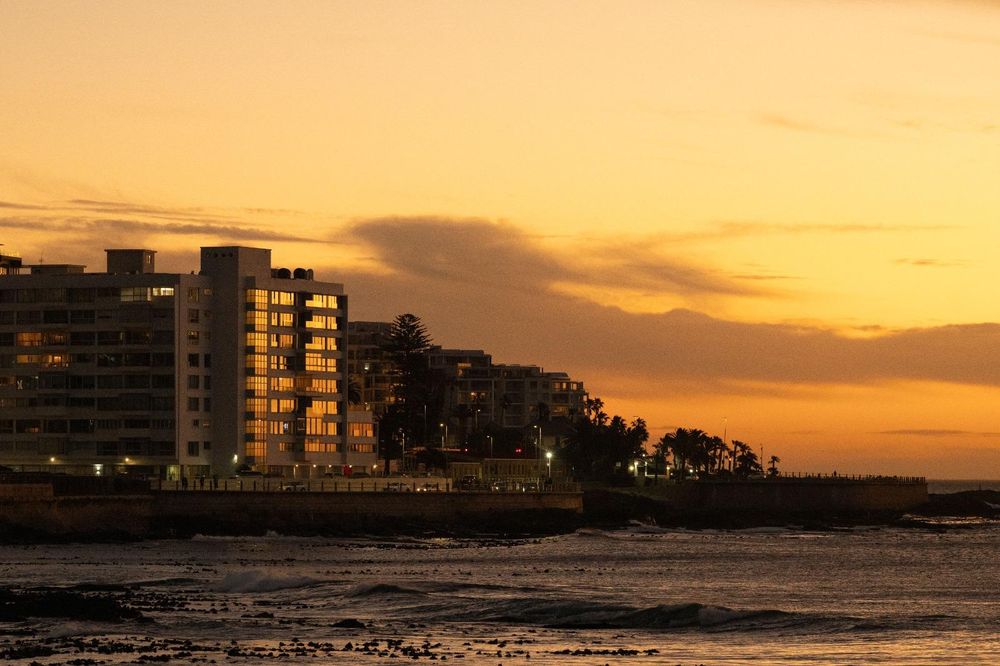
El Nino may sound like a complicated weather term, but its effects could reach South African homes, farms and grocery bills. Here is a simple guide to what it is and how it could affect temperatures, rainfall, water supplies and food prices.
For many South Africans, El Niño may sound like a complicated weather term that belongs in a science textbook.
But it can affect something as simple as how hot your house feels, how much water is in your local dam, what farmers can grow and how much you pay for food.
El Niño is now firmly established and is expected to become very strong towards the end of 2026, according to the World Meteorological Organisation (WMO).
Forecasters expect it to continue into early 2027, bringing changes to temperatures and rainfall patterns around the world.
So, what does that mean for South Africans?
Think of the Pacific Ocean as a giant part of the world's weather machine.
Every few years, parts of this ocean become much warmer than usual. This changes winds and the movement of air around the planet.
That change can affect weather thousands of kilometres away. This is called El Niño.
It does not mean that every part of South Africa will suddenly become dry, or that every day will be extremely hot.
Weather is complicated, and other things can affect what happens. But El Nino is linked to a greater risk of hotter conditions and changes in rainfall, including drier conditions in southern Africa.
And this year's El Niño is expected to become particularly strong.
Quite possibly. The WMO says El Niño increases the risk of extreme heat.
That matters because extreme heat is not simply uncomfortable.
Very hot weather can be dangerous, particularly for children, older people, outdoor workers and people who are vulnerable to heat.
It can also make homes, schools and workplaces unbearably hot.
For an ordinary family, that could mean using more water to stay cool, spending more time looking for shade and relying more heavily on fans or air conditioning.
This is where things become particularly important for SA.
El Niño is often associated with drier conditions in southern Africa, although its effects are not exactly the same every time.
That means some parts of the country could receive less rain than they need. And rain is not just about whether you can hang your washing outside.
If there is not enough rain, all of those things can come under pressure.
Imagine planting maize after preparing your field for weeks.
You put the seeds into the ground. Then you wait for rain.
If the rain arrives late, does not arrive at all, or comes at the wrong time, the crop can struggle.
That is one of the biggest concerns during an El Niño event.
Farmers depend heavily on rainfall, particularly those who do not have enough irrigation.
A dry season can mean smaller harvests. For livestock farmers, dry conditions can also mean less grass for animals to eat and less water for them to drink.
And the effects do not necessarily stop on the farm. If farmers produce less food, there can be less food available in the market.
That can put pressure on food prices. SA experienced this during the previous major El Niño event, when drought conditions contributed to agricultural losses across Southern Africa.
Potentially, yes. It is important to remember that El Niño does not automatically mean food prices will rise.
Food prices are affected by many things, including fuel, transport costs, electricity, imports, the rand, global prices and how much food farmers produce.
But weather is one of those factors. If drought damages crops, farmers may have less produce to sell.
That can put pressure on the supply of certain foods. For households already trying to stretch every rand, even a small increase in the price of staple foods can make a difference.
And then there is water which is one of the biggest concerns during prolonged dry weather.
When rain is low, dams and rivers may receive less water. At the same time, hot weather can cause more water to evaporate.
People also tend to use more water when it is hot. That creates a difficult situation: less water coming in while demand can increase.
South Africans who have experienced water restrictions know how quickly a dry spell can become part of everyday life.
It can mean shorter showers, restrictions on watering gardens, problems with swimming pools and greater pressure on municipalities to manage limited supplies.
El Niño does not mean that SA will experience one long, completely dry summer.
It is possible to have heavy rain and flooding even during an El Niño event.
That may sound strange. How can the same weather pattern bring drought and floods?
Because El Niño changes large-scale weather patterns, but local weather can still vary greatly.
A place can have long periods without enough rain and then receive a huge amount of rain in a short period.
That can cause flooding, particularly where drainage systems cannot cope.
No two El Niño events are exactly the same, and other weather patterns can change how strongly its effects are felt in different parts of SA.
Hot and dry conditions can also create dangerous conditions for wildfires.
When grass, vegetation and other plants become very dry, they can burn more easily.
That can threaten homes, farms, wildlife and infrastructure. Southern Africa has experienced the effects of drought and wildfires during previous El Niño events.
There is no need to panic. El Niño is a warning to prepare, not a guarantee that disaster will happen.
Families can keep an eye on weather warnings, use water carefully and take heat warnings seriously.
Farmers can use seasonal forecasts to make decisions about planting and livestock.
Municipalities can prepare for possible pressure on water supplies, while health authorities can prepare for periods of extreme heat.
Reliable forecasts and early warnings give communities a chance to act before extreme weather becomes a crisis.
And that may be the most important thing to remember.
El Niño may begin thousands of kilometres away in the Pacific Ocean, but its effects can eventually reach the things South Africans care about every day.