Emergency Stockpiles, Supermarket Hacks And Nuclear Fears: Age Of Panic?
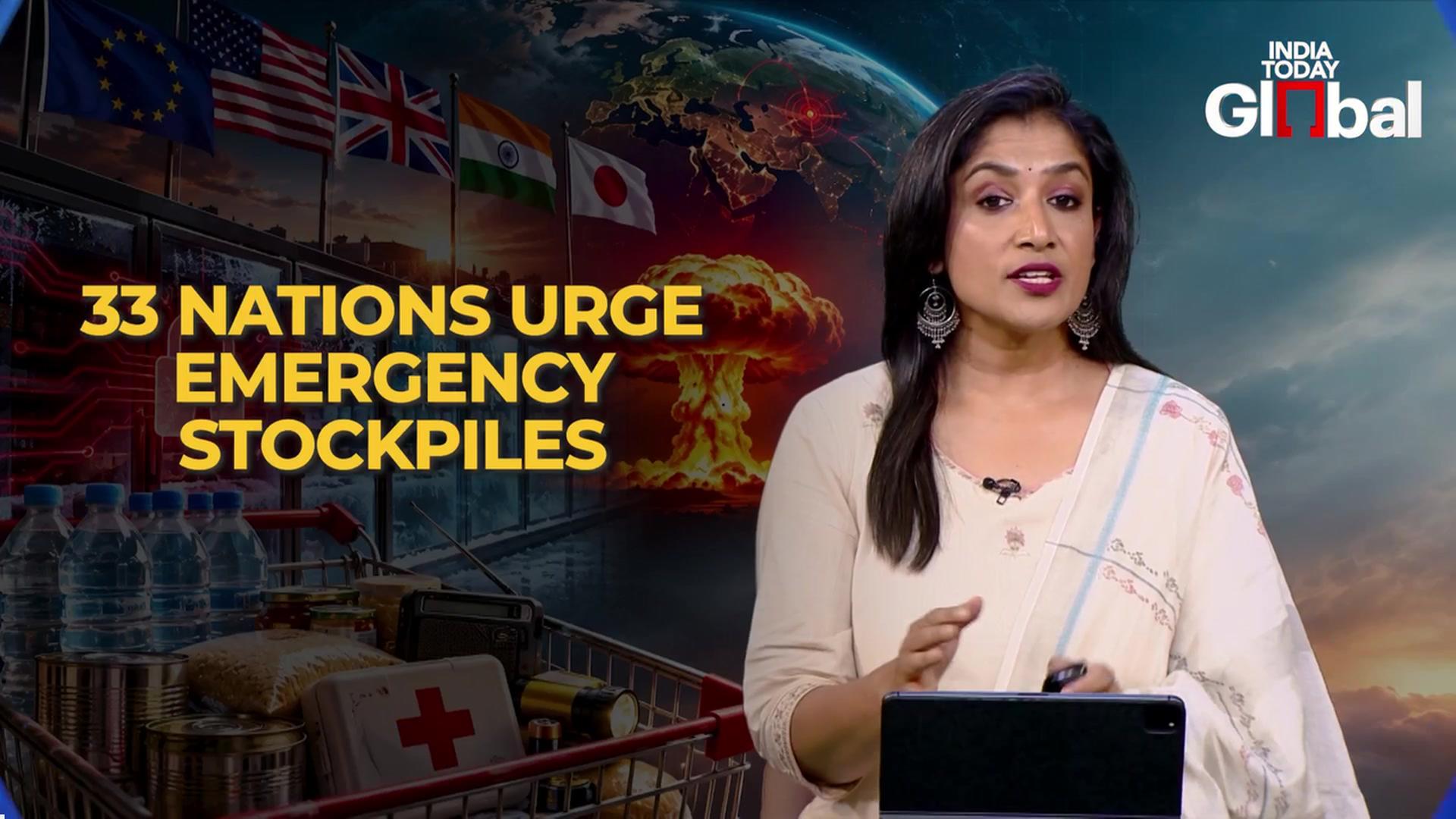
Across the globe, 33 governments have advised citizens to maintain household stockpiles of food and water for at least 72 hours to withstand natural disasters, cyber threats, or infrastructure breakdowns. Meanwhile, supermarkets across seven European nations—including Belgium, Sweden, and Ireland—faced severe disruptions after hackers manipulated remote refrigeration controls, forcing units into defrost mode with temperatures hitting 50 degrees Celsius. Compounding global anxiety, commentator Tucker Carlson warned of potential US nuclear strikes against Iran under Israeli pressure, though unverified by official channels. While such an escalation could disrupt Persian Gulf energy transit through the Strait of Hormuz, spike oil prices, weaken the Indian rupee, and heighten regional tensions, official preparedness advisories stem from established emergency management planning rather than an imminent coordinated global catastrophe.
An investigation by Al Jazeera has revealed how Indian political consultancies have expanded their operations internationally, orchestrating covert digital campaigns across continents. From William Ruto's 2022 presidential bid in Kenya to the 2026 US midterm elections in Michigan, foreign campaigns have utilized Indian-run networks of anonymous social media accounts, manipulated videos, and coordinated online messaging to manipulate voter perception. Digital workers were hired to edit speeches, fabricate claims, and target political rivals via shadow profiles while avoiding standard platform disclosures through virtual private networks and front entities. Covert financing mechanisms, including cross-border hawala channels, were also reportedly deployed. The report highlights the extreme perils associated with these invisible operations, noting the 2022 disappearance and murder of two Indian consultants working in Kenya, whose murder probe against fifteen police officers was discontinued by Kenya's High Court in August 2026. The findings raise serious concerns regarding electoral integrity and transparency in modern global democracies.
A proposal to link Panchayati Raj welfare benefits to voter ID cards and biometric authentication rather than Aadhaar has triggered political debate amidst the ongoing Special Intensive Revision (SIR) controversy. Union Panchayati Raj Minister Rajiv Ranjan Singh announced that beneficiaries will require their EPIC number and biometric authentication to access scheme payouts. The announcement comes as opposition parties allege mass disenfranchisement through the deletion of electors during SIR and electoral roll revisions, warning that voter list exclusions could directly impact welfare access. In response, the Election Commission stated that flagged category entries do not constitute wrongful deletions and that eligible voters may seek inclusion.