Emergency treatment over, we will lower cost of living — Tinubu - Vanguard News
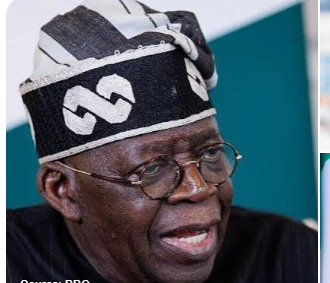
President Bola Ahmed Tinubu has declared that the “emergency treatment” of Nigeria’s economy is over, saying the next priority of his administration is to bring down the cost of living and deliver shared prosperity.
Tinubu stated this in his 66th Independence Day address to Nigerians, saying the reforms implemented by his administration had corrected the country’s economic course and laid the foundation for a new phase of growth.
“Our reforms did not create the weaknesses in our economy. They confronted them,” the President said.
He urged Nigerians to resist calls to abandon the reforms and return to what he described as “the abuse of addictive subsidies”, saying the country must remember why the reform journey began.
“Three and a half years later, the evidence that Nigeria’s economic outlook has improved is undeniable. Our economy has grown by over 4 per cent this year. Both oil and non-oil sectors have contributed to the renewed period of stable growth,” Tinubu said.
The President said oil theft had declined, while inflation had fallen substantially from its peak.
He also said Nigeria’s foreign reserves had been rebuilt, the foreign exchange market had stabilised, and the country recorded its highest revenue from non-oil exports in 2025, exceeding $6 billion.
“This is real money being made by real Nigerian businesses,” Tinubu said.
According to him, international observers, journalists, non-governmental organisations and multilateral institutions had recognised the changes in Nigeria’s economic outlook.
“These are not idle claims. International observers, journalists, NGOs and multilateral institutions can see the change. Each has concluded that our reforms have strengthened Nigeria’s economic stability and resilience,” he said.
Tinubu added that the private sector had also responded to the reforms, while foreign direct investment continued to rise.
The President said Nigeria had reached a turning point, with the government’s focus shifting from economic stabilisation to delivering widespread prosperity.
“My fellow Nigerians, we have reached a turning point.
“The emergency treatment is over. The foundation has been repaired. The central economic task before us has changed. For three years, our overriding purpose was to correct our nation’s course.
“Now, our purpose is simple: shared and widespread prosperity,” he said.
Tinubu said prosperity should not be measured only by the size of the economy or economic statistics, but by improvements in the everyday lives of Nigerians.
He said the goal was to create a Nigeria where farmers could cultivate their land safely, produce more at lower cost and earn decent returns, while factories had reliable power, businesses could access credit and young people could find productive employment.
He also listed affordable food and transportation, accessible education and greater confidence for hardworking families among the outcomes his administration seeks to achieve.
Tinubu said reducing the cost of living would now be a major priority of his administration.
“Our priority is to bring down the cost of living. We will achieve this by lowering the cost of producing and moving the things Nigerians consume,” he said.
He said the government would expand mechanised irrigation and dry-season farming, improve access to seeds and fertiliser, increase mechanisation and invest in storage and transportation.
According to him, the government is also building and completing roads, railways and ports to connect farms and factories with markets.
Tinubu said lowering production and distribution costs would eventually translate into lower prices for consumers.
“When a farmer produces more cheaply, when fewer crops are lost between the farm and the market, when a manufacturer spends less on electricity, when a truck reaches its destination faster, and when the business environment fosters fair competition, all those savings will ultimately find their way into the price of goods in the market,” he said.
He, however, said prosperity required more than cheaper goods, stressing the need to create productive jobs for the country’s growing young population.
“But prosperity requires more than cheaper goods. It requires productive work,” the President said.
Tinubu said his administration would place jobs, enterprise and industrial growth at the centre of its policies.
He said the government would deploy Nigeria’s gas resources to power new industries and support businesses seeking to revive factories in the country’s industrial centres.
“We will use our gas to power new industries. We will support businesses that work to bring factories back to life in our great industrial centres,” he said.
The President also pledged to expand digital connectivity to communities that had been left behind, invest in skills demanded by employers and support Nigerian businesses with infrastructure and financing to enable them to grow.
Comments expressed here do not reflect the opinions of Vanguard newspapers or any employee thereof.