
Euronews Verify: Can the EU close Russia's sanctions loopholes?
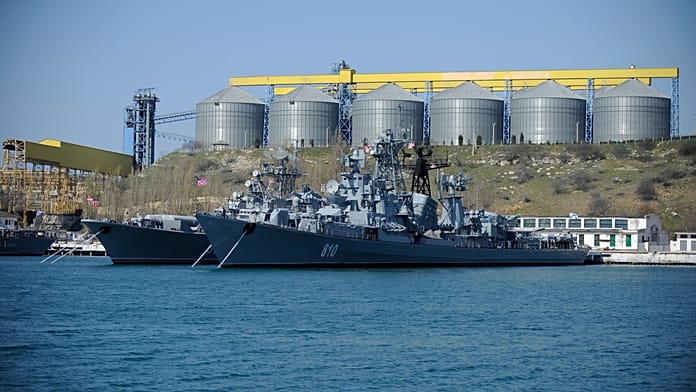
The EU's foreign ministers have approved another sanctions package targeting Russian banks, oil refineries, and its "shadow fleet".
This latest batch of sanctions targets almost 150 additional individuals and entities, while the EU's 22nd economic sanctions package is expected later this month.
The EU has slapped sanctions on around 4,600 individuals and entities and frozen more than €28 billion in private assets since Moscow launched its full-scale invasion of Ukraine in 2022.
Sanctions appear to be more effective against Russia than others.
Analysts say that oil import bans and export controls on Western tech hit the country hardest, because they deliver a blow to its economy and its ability to make sophisticated military equipment.
However, Russia can exploit trade loopholes and use its so-called illicit "shadow fleet" to export oil.
"If you are somebody who is inside Russia and who wants to get the sanctioned goods, it's not that difficult. A lot of this comes through third countries like Kazakhstan, Turkey, Armenia, Hong Kong and so on. And you don't even have to hide them, because on the Russian side of the border it's legal," Konstantin Egorov, associate professor of economics at the University of Antwerp, told Euronews Verify.
Today's episode also focuses on the latest bomb threats.
In just five days, more than 50 flights across Europe were caught up in a wave of bomb threats.
Aircraft were diverted, fighter jets were scrambled, and passengers faced lengthy delays, but searches of the plane found no explosives.
"Unfortunately, there's very little hard evidence that it's sort of directly linked to Russia. We've got speculation in popular reporting, including some, you know, alleged reports from anonymous security officials close to the investigation," said Rhys Jones, analysis output manager at Osprey Flight Solutions.
"But what I think we can say is that it's consistent with the operational intentions and the sort of tactics we've seen from Russia previously."
This kind of disruption affects different fronts.
The aim is to impose economic costs and undermine the political order of the countries affected.
"I think it does fit into a wider pattern. We can see that all kinds of infrastructure are being targeted," said Guntram Wolff, senior fellow at Bruegel.
"But more importantly, it's really about the political cost that comes with it. It is part of an information campaign, part of a political campaign against the political system, against the existing political order. And it really aims at destabilising our countries."
Join Euronews Verify live on TV, Euronews' website, and on digital platforms (YouTube, Facebook, X, and Instagram) every weekday at 6:40 pm Brussels time. In just under 11 minutes, our new format goes beyond the headlines to make sense of what's happening, fact-checking and untangling the day's most pressing issues to explain why they matter to you.
Click on the video above to watch the full episode of Euronews Verify.

