
Everybody’s trying to figure out right laptop prices: Qualcomm exec on ‘RAMageddon’ - The Indian Express
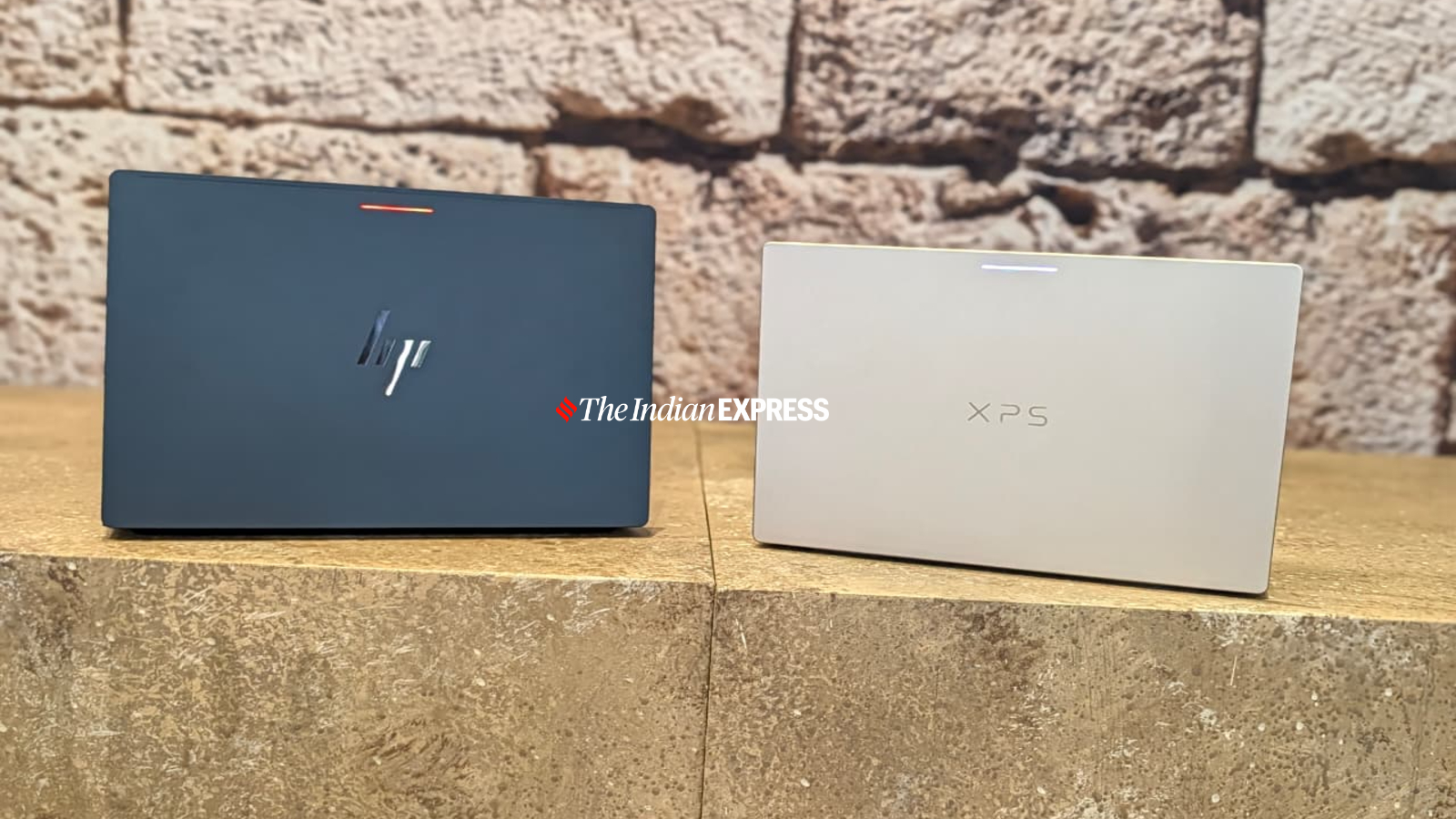
In the past few months, tech product launches have become less about new, swanky features and more about higher sticker prices for laptops.
This has been blamed on “RAMageddon,” which has halted efforts to make everyday devices cheaper. It stems from the AI gold rush, which has driven the expansion of data centres, creating a shortage of memory chips and other critical components and pushing up electronics prices.
The question is: how long will this last, and will these higher prices become the norm, effectively eliminating the entry-level segment altogether?
Kedar Kondap, Senior Vice President and General Manager of Compute and Gaming, Qualcomm Technologies Inc, says it is difficult to predict when the memory shortage will end. He adds that current laptop pricing depends largely on when OEMs bought the memory and at what price.
“Everybody’s trying to figure out how to bring device prices down and keep them more balanced. Whether it means choosing a different display, instead of OLED, you start going with LCD,” Kondap told indianexpress.com in an interview on the sidelines of the Snapdragon Summit in Maui, Hawaii. “The industry is trying to figure out how to hit the right price points.”
The rise of AI data centres is making memory chips scarce, and consumers are paying the price. That’s why DRAM and NAND chips are critical to modern devices, especially laptops. Right now, there aren’t enough of them to go around.
In India, one of the world’s biggest consumer markets, the budget laptop segment has been hit hard by the global shortage, with multiple PC brands saying that memory chips are now their most expensive component. Apple, Dell, and others have already raised laptop prices in India, making these devices more expensive.
Some brands are also cutting down on RAM, launching laptops with just 8 GB of memory while passing the higher costs on to consumers. In fact, more companies are launching laptops priced at Rs 80,000 and above, targeting a more premium segment of consumers. In reality, many laptops launched at higher prices once fell into the entry-level segment.
While the memory crisis is here to stay, Kedar says he and his team are turning the situation into an opportunity by bringing ultra-affordable laptops to the market that promise faster performance per watt and longer battery life, a segment that has been almost forgotten.
The new wave of budget laptops will be powered by Qualcomm’s Snapdragon C processor, which was announced in June. HP, Acer, Asus, and Lenovo will be among the companies making these laptops.
However, it remains unclear whether the $300 (or approx Rs 28,272) price target for Snapdragon C laptops can be maintained amid the ongoing memory crisis. They could still be significantly cheaper than Apple’s MacBook Neo and Windows laptops powered by Intel “Wild Lake” processors.
Kedar is already hinting at the launch of Snapdragon C laptops in India, which he described as “imminent.”
Kedar highlights a recent market trend that seems to be picking up: growing consumer demand for laptops with previous-generation Snapdragon processors, especially as these devices come with higher RAM configurations. “There’s a lot of X Elite laptops and X Plus laptops Gen1 out in the market as well. We are starting to see that good migration happen,” he says.
Qualcomm unveiled the first Snapdragon X Elite chips in 2023 as it entered the PC silicon market, aiming to compete with Apple’s MacBooks, especially on battery life and performance. Its PC chips were developed using the same DNA as its smartphone chips.
At the Snapdragon Summit this week, Qualcomm didn’t announce any new PC chips, but the company did announce new versions of Microsoft’s 12-inch Surface Pro and 13-inch Surface Laptop, both of which now run Qualcomm’s Snapdragon X2 Elite chips for improved performance and battery life.
Qualcomm also announced Linux support for its newest chips, with Ubuntu planning to support Snapdragon X2 devices early next year. Earlier this week, Qualcomm announced Google’s new line of AI-powered laptops, Googlebooks, built on Android and powered by Qualcomm’s Snapdragon X Elite chips.
Qualcomm and the broader industry are making PCs behave more like smartphones, and this convergence is now becoming increasingly visible across laptops.
Both performance and battery life have improved on newer notebooks, even though Kedar says only two generations of Snapdragon X Elite processors have hit the market. He adds that users will start seeing real-world benefits as learnings from smartphone chips are applied to laptops.
Kedar cites the webcam in the new Surface laptops, which uses image signal processing on the Snapdragon X2 Elite chips to improve video call quality.
“We have a dedicated camera engine even in our PC chips. We want to route all of our camera image processing through the dedicated ISP. Once you start to see that, you will start to see people stop using external cameras,” he explained.
“Phones have traditionally used cameras with higher-quality image processing. PC cameras were traditionally USB-based. When you use a lower-resolution camera, it doesn’t have the same fidelity you need for a high-resolution picture. Surface and many other laptops right now use MIPI (Mobile Industry Processor Interface). We help all of these OEMs tune the whole system,” he added.
Anuj Bhatia is an Assistant Editor at indianexpress.com with a career spanning over a decade. Active in the domain since 2011, he has established himself as a distinct voice in tech journalism, specializing in long-form narratives that bridge the gap between complex innovation and consumer lifestyle. Experience & Career: Anuj has been a key contributor to The Indian Express since late 2016. Prior to his current tenure, he served as a Senior Tech Writer at My Mobile magazine and held a role as a reviewer and tech writer at Gizbot. His professional trajectory reflects a rigorous commitment to technology reporting, backed by a postgraduate degree from Banaras Hindu University. Expertise & Focus Areas: Anuj’s reporting covers the spectrum of personal technology, characterized by a unique blend of modern analysis and historical context. His key focus areas include: Core Technology: Comprehensive coverage of smartphones, personal computers, apps, and lifestyle tech. Deep-Dive Narratives: Specializes in composing longer-form feature articles and explainers that explore the intersection of history, technology, and popular culture. Global & Local Scope: Reports extensively on major international product launches from industry titans like Apple and Google, while simultaneously covering the ecosystem of indie and home-grown tech startups. Niche Interests: A dedicated focus on vintage technology and retro gaming, offering readers a nostalgic yet analytical perspective on the evolution of tech. Authoritativeness & Trust Anuj is a trusted voice in the industry, recognized for his ability to de-jargonize trending topics and provide context to rapid technological advancements. His authority is reinforced by his on-ground presence at major international tech conferences and his nuanced approach to product reviews. By balancing coverage of the world's most valuable tech brands with emerging startups, he offers a holistic and objective view of the global technology landscape. Find all stories by Anuj Bhatia here. You can find Anuj on Linkedin. ... Read More

