
Explainer-How US sanctions would undermine global war crimes court
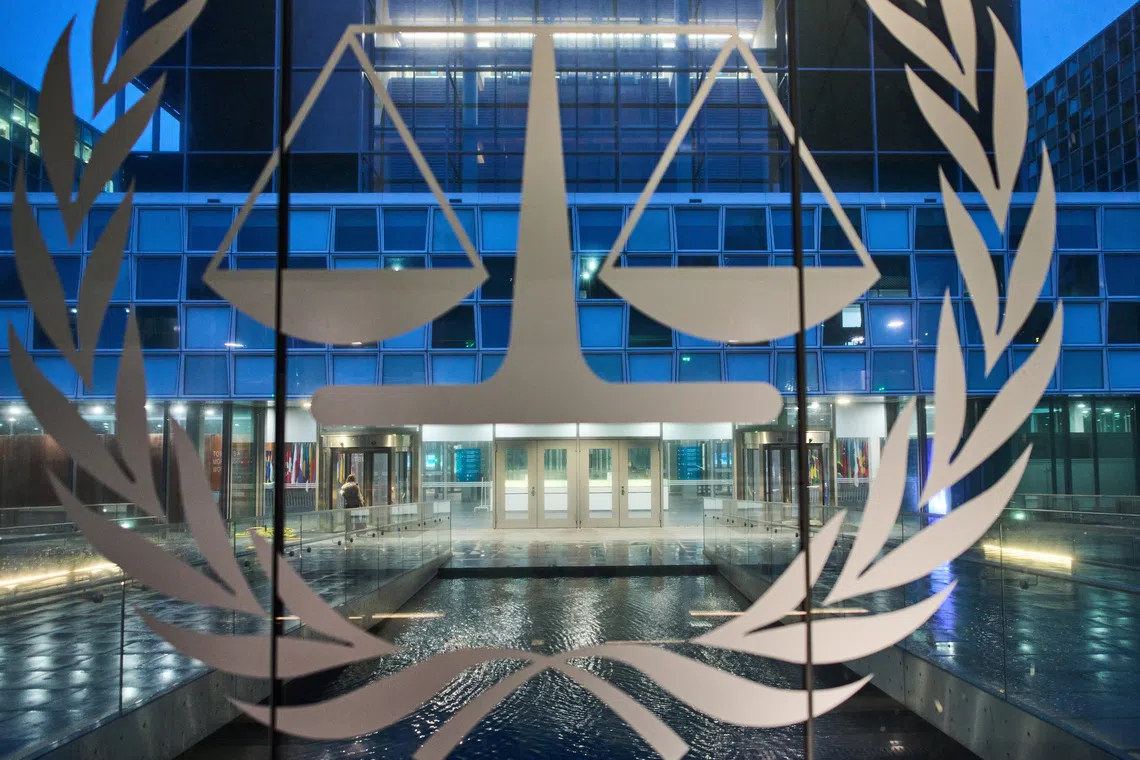
Exterior view of the International Criminal Court (ICC), in The Hague, Netherlands, December 9, 2025. Peter Dejong/Pool via REUTERS
THE HAGUE, Sept 21 - US President Donald Trump's administration is preparing sanctions against the International Criminal Court as part of a campaign to dismantle the institution created to prosecute people accused of the world's most heinous crimes.
WHY IS WASHINGTON PLANNING TO DO THIS?
The Trump administration has pushed back against the court in response to its arrest warrants for Israeli officials, including Prime Minister Benjamin Netanyahu, and a past investigation into the role of US forces in Afghanistan.
Secretary of State Marco Rubio said the ICC, which was launched in 2002 and has 125 member states, poses a threat to US sovereignty and its allies. Washington has asked member states to withdraw support.
After initially targeting individual judges and prosecutors, Rubio announced a campaign in July to isolate the court, writing that the US government would use every tool at its disposal to "dismantle the ICC — brick by brick, if necessary."
WHAT ACTIVITIES WOULD US SANCTIONS IMPACT?
Sources have told Reuters the sanctions will soon be imposed against the entire organisation, which has roughly 900 employees from 100 countries. The court could lose access to much of the dollar-based financial system, while court staff could face US travel restrictions.
It is unclear when the additional sanctions will be announced.
Entity-wide sanctions imposed by the US Treasury could prohibit US citizens and companies from providing funds, goods, or services to the court without a license from the US Treasury's Office of Foreign Assets Control (OFAC).
The impact could range from blocking personal credit cards and travel visas to forced cancellation of contracts with companies providing data storage and email or the hiring of outside investigators.
Beyond that direct impact, sanctions could have a chilling effect on non-US organisations and individuals that work with the court, as banks, companies and contractors seek to avoid risks.
HOW WOULD THE COURT CONTINUE TO FUNCTION?
Circumventing sanctions will not be easy. The United States has more clout in international finance than any other country because the dollar is the currency used for most global trade. Washington can choke access to regular payments and banking by threatening to cut off any bank that deals with the court from the dollar.
Payments could still be made, outside this dollar system, but the threat to any institution that deals with a sanctioned person or entity curtails it radically.
ICC President Judge Tomoko Akane urged the European Union in 2025 to help protect the court by invoking a so-called blocking statute — a law which lets the EU ban European companies from complying with US sanctions that Brussels deems unlawful.
All individual members of the European Union are members of the ICC. But it is unclear whether there is enough support for the court in Brussels for it to step in.
IS THERE ANY PRECEDENT FOR THIS US ACTION?
The first Trump administration imposed sanctions against individual ICC staff members in 2020 in response to an investigation into alleged crimes by Americans in Afghanistan.
US presidents have used emergency powers most frequently against foreign governments deemed a threat to US security interests. Sanctions have targeted rogue actors, alleged terrorists, narcotics traffickers and warlords.
Sanctioning an entire international institution such as the ICC, which is a court of last resort for war crimes, crimes against humanity and genocide, would be an unprecedented step. REUTERS


