Families scramble to find childcare after visa slowdown hits au pairs
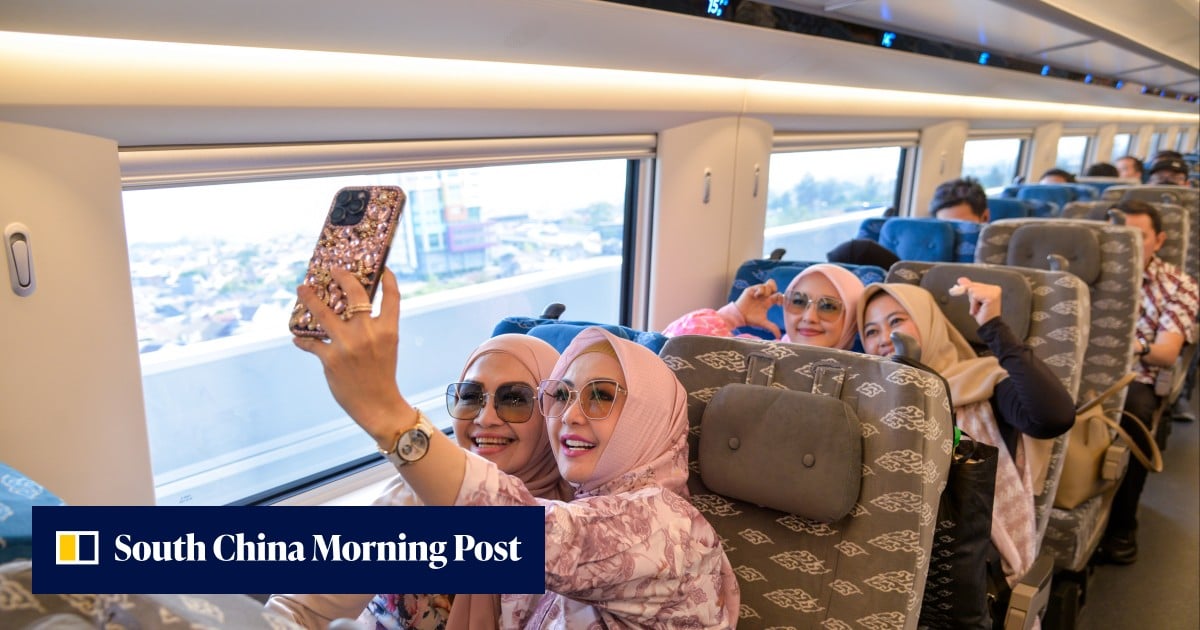
Australian families have been forced to scramble to make last-minute childcare arrangements as Labor’s pause on working holidaymaker visas hits the international au pair market.
The global peak body for the industry has sounded the alarm that hundreds of backpackers with work lined up in Australia have been temporarily barred from entering the country, causing the cancellation of travel plans and leaving host families without support.
Sydney father Geoffrey Young says his family spent three weeks juggling babysitters, daycare, asking family members for help and shifting work commitments after his au pair’s visa was delayed without notice.James BrickwoodLabor stopped processing working holidaymaker visas from dozens of countries in July as it raced behind the scenes to finalise a plan to bring migration numbers down, under pressure from One Nation, which has soared in the polls on a populist message that immigration numbers should be slashed.
Last week, Immigration Minister Tony Burke announced caps on the number of backpackers staying in Australia longer than a year as part of a suite of regulatory changes, which he said meant Labor could accelerate the visa approval process again.
But families who rely on au pairs say they are still in limbo after months of uncertainty.
First-time mum Leah said she could not afford to keep paying for a casual babysitter after her German au pair missed her start date just over a week ago.
“I’m tossing up whether it’s worth it for me to even continue working, or whether I just quit my job so that I can look after my son,” she said.
The Melbourne mother, who asked for her surname not to be published to protect her privacy, said her family had no other options while languishing on childcare waiting lists.
“It’s really scary, and the feeling of uncertainty isn’t a thing that leaves. Like it’s just there all the time. I wake up at night thinking about it,” she said.
Sydney father Geoffrey Young said he relied on au pairs to give his working family flexibility that childcare did not. He said his au pair applied for a visa in July and was supposed to arrive three weeks ago from Germany, but her visa has still not been approved.
“I travel quite a bit for work. My wife has a long commute, and we both have demanding jobs,” said the Woollahra father of two, who works in financial services.
Young said he was fortunate to have managed through a combination of daycare, babysitters, family members and shifting work commitments, but not everyone had those options.
“You have additional cost, complexity and some pressure, and it’s certainly not a long-term solution,” he said.
Lawyer Theresa Dinh said she had been in limbo for months, and the most difficult part was not knowing how much longer she was going to be without care.
The Bondi Junction mother of three said that as the daughter of an immigrant, she was disappointed at the government’s crackdown and the effect it was having on Australian families.
“My instinctive reaction was that we are unfortunate collateral damage in the race to the bottom with One Nation,” she said.
Cultural Au Pair Association of Australia secretary Jackie Rylance said industries needed certainty from the government, and called for Labor to consult with working holidaymaker programs on how to move forward.
“The continuing lack of clarity ... is troublesome and worrying,” she said.
Rylance said the abrupt changes to migration policy also risked jeopardising the reciprocal arrangements with other countries that Australian backpackers benefited from.
Germany-based International Au Pairs Association managing director Patricia Brunner said Australian visa approvals had started moving again, but remained backlogged.
Families still had no reliable timeline for when the backlog would be cleared, she said.
Brunner criticised the new backpacker caps and called for a dedicated au pair visa outside the working holidaymaker program.
She rejected the argument that backpackers put pressure on Australia’s housing market, pointing out that au pairs live with their host families.
“They don’t compete for rental housing. What they do provide is flexible childcare that lets parents work, including nurses, doctors, construction workers and farmers, the very sectors the government wants to prioritise,” she said.
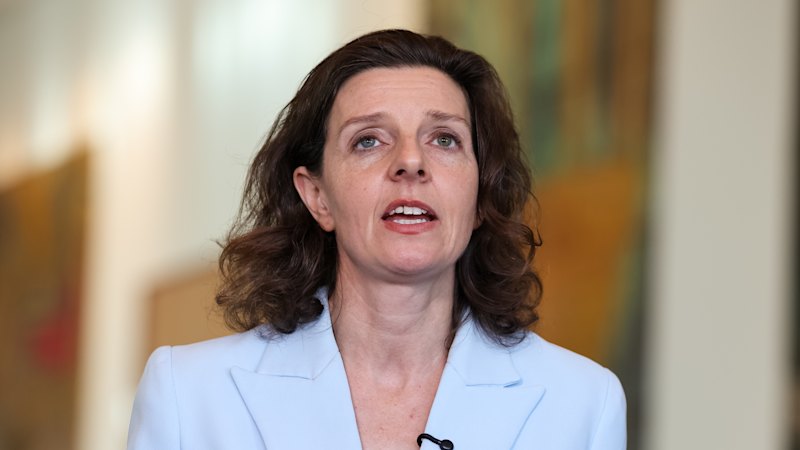
Community Strong MP Allegra Spender, who represents the Wentworth electorate in which Young and Dinh live, said bringing down backpacker numbers must be managed in an orderly and predictable way.
Wentworth MP Allegra Spender criticised Labor’s “ad hoc” migration measures.Alex Ellinghausen“Opaque, ad hoc changes are no way to run a migration system,” she said.
“The government fiddling with visa processing times has left many people in limbo – including small businesses and families in my electorate trying to organise their childcare.”
Labor’s working holidaymaker changes have also come under fire from farmers and the tourism industry, which rely heavily on migrant workers.
A government spokesperson said the number of working holidaymakers in Australia was at a historic high.
“According to the latest ABS data, working holidaymakers are the second-largest contributor to [net overseas migration] after international students,” they said, adding the number had increased 64 per cent from pre-COVID-19 levels to 211,604 at the start of September.“We are taking a sensible approach to slowing immigration enough to let the housing market catch up without trashing the economy.”
Start the day with a summary of the day’s most important and interesting stories, analysis and insights. Sign up for our Morning Edition newsletter.
You have reached your maximum number of saved items.
Remove items from your saved list to add more.