
Federal judge drops charges against Harvard scientist accused of smuggling frog embryos
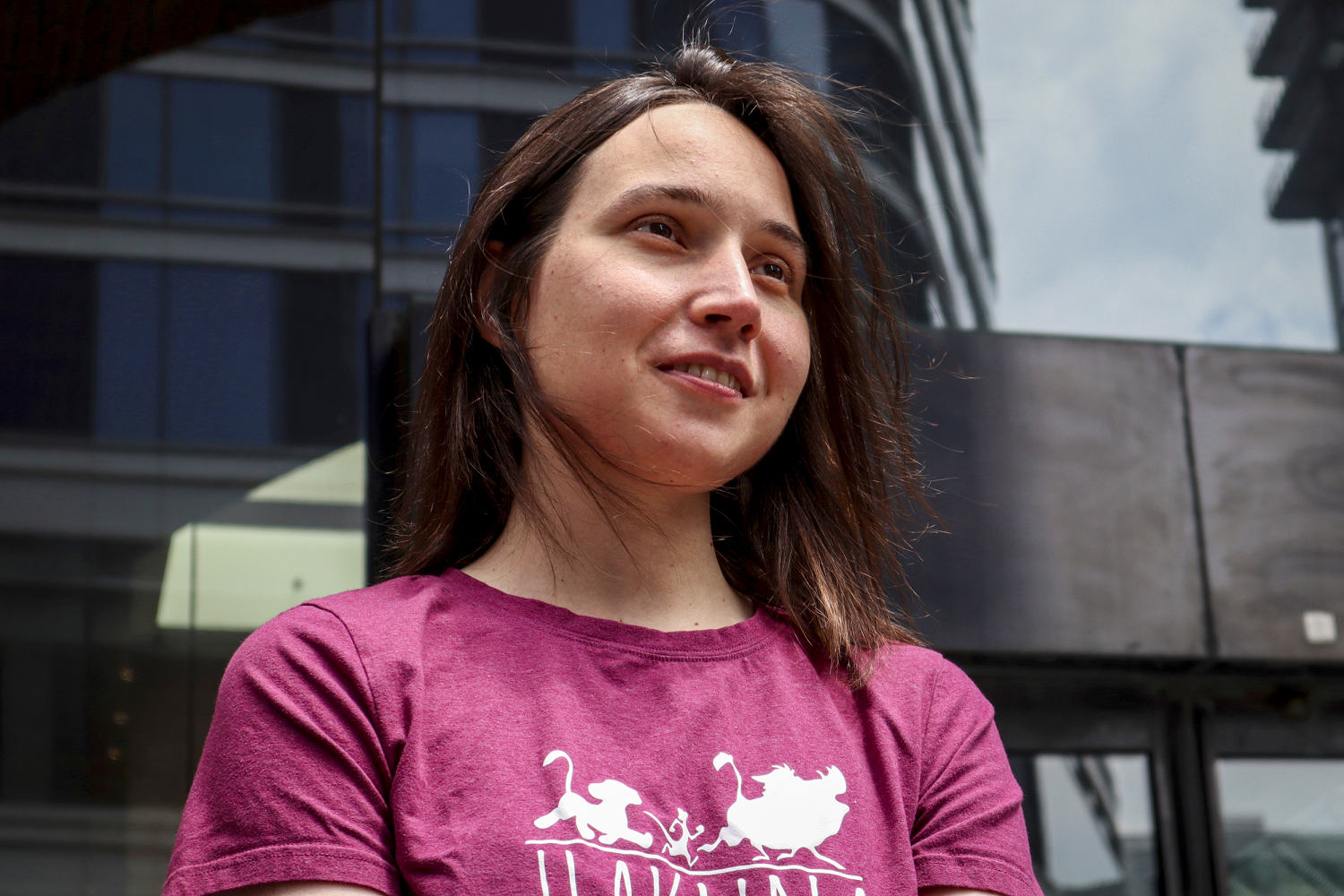
Harvard University researcher Kseniia Petrova departs the John Joseph Moakley U.S. Courthouse after being released on bail from federal custody in Boston in 2025.Leah Willingham / APShareAdd NBC News to GoogleNov. 4, 2026, 12:48 PM ESTBy Nicole AcevedoA federal judge dismissed criminal charges against Kseniia Petrova, the Russian-born Harvard scientist accused of smuggling frog embryos into the United States.
The order from District Judge Leo T. Sorokin in Massachusetts came Wednesday, a day after federal prosecutors filed a petition to drop the charges against Petrova.
In the filing, prosecutors said they made the move following an order from a federal magistrate judge in April allowing Petrova to obtain evidence supporting her claims that she was being vindictively prosecuted.
Prosecutors stated in their petition that while they thought Petrova’s claims of vindictive and selective prosecution were “meritless,” providing evidence to the contrary would mean disclosing “non-public information” about the operations and investigative techniques of U.S. Customs and Border Protection.
Daniel N. Marx, Petrova’s attorney, told NBC News in a statement Wednesday that “throughout these proceedings, Ms. Petrova has shown tremendous courage, and we are relieved that this chapter of her terrible ordeal is now over.”
Marx said the Department of Justice “never should have brought this highly unusual ‘smuggling’ prosecution” against his client, whom he described as a talented scientist at Harvard University determined “to advance medical research into aging that could benefit everyone.”
Petrova, a biomedical researcher, was taken into custody by immigration authorities at Boston’s Logan Airport in February 2025 after returning from Paris. Her J-1 scholar visa was canceled following the detention, and she was later placed into immigration proceedings. Earlier this year, a judge in Vermont ruled that Petrova’s visa was unlawfully canceled.
FOR SUBSCRIBERSIran says Americans rejected Trump’s war as the world reacts to the midterms rout FOR SUBSCRIBERSVoters rejected Trump’s ‘booming’ economy narrative and the AI that underpins it FOR SUBSCRIBERS‘No one is going to outwork Hakeem’: Jeffries’ rise to the cusp of history has been rapidFOR SUBSCRIBERSAI chatbots cited dozens of spoofed campaign websites before midterm elections, researchers sayFOR SUBSCRIBERSWhy Devin Booker is unlike almost any superstar in the NBAFOR SUBSCRIBERSThe Data Dive: Steve Kornacki charts where Democrats sliced into GOP strongholdsFOR SUBSCRIBERSWhat Democrats plan to do with House majority: Investigate Trump and tackle affordabilityFOR SUBSCRIBERSElection takeaways: The Trump coalition implodes. What comes next?FOR SUBSCRIBERS‘Everything is going to change’: Republicans begin grappling with how they lost so badly FOR SUBSCRIBERSThe battlegrounds our journalists are reporting fromFOR SUBSCRIBERSThe midterms are over, and Trump is over the midtermsFOR SUBSCRIBERSWhat is rhabdo? Rare muscle condition linked to marathon runner’s deathFOR SUBSCRIBERSDOJ is deploying a record number of monitors on Election Day FOR SUBSCRIBERSHow to watch election night: Key races, poll closing times, bellwether campaigns and moreFOR SUBSCRIBERSThe Data Dive: Steve Kornacki’s guide to early election night bellwethersSlide 1 of 1In May 2025, federal prosecutors brought a criminal case against Petrova while in immigration detention, charging her with smuggling goods into the United States after officers at the airport found clawed frog embryos, paraffin slides and other samples in her possession that Petrova has insisted are part of her research.
FOR SUBSCRIBERSIran says Americans rejected Trump’s war as the world reacts to the midterms rout FOR SUBSCRIBERSVoters rejected Trump’s ‘booming’ economy narrative and the AI that underpins it FOR SUBSCRIBERS‘No one is going to outwork Hakeem’: Jeffries’ rise to the cusp of history has been rapidFOR SUBSCRIBERSAI chatbots cited dozens of spoofed campaign websites before midterm elections, researchers sayFOR SUBSCRIBERSWhy Devin Booker is unlike almost any superstar in the NBAFOR SUBSCRIBERSThe Data Dive: Steve Kornacki charts where Democrats sliced into GOP strongholdsFOR SUBSCRIBERSWhat Democrats plan to do with House majority: Investigate Trump and tackle affordabilityFOR SUBSCRIBERSElection takeaways: The Trump coalition implodes. What comes next?FOR SUBSCRIBERS‘Everything is going to change’: Republicans begin grappling with how they lost so badly FOR SUBSCRIBERSThe battlegrounds our journalists are reporting fromFOR SUBSCRIBERSThe midterms are over, and Trump is over the midtermsFOR SUBSCRIBERSWhat is rhabdo? Rare muscle condition linked to marathon runner’s deathFOR SUBSCRIBERSDOJ is deploying a record number of monitors on Election Day FOR SUBSCRIBERSHow to watch election night: Key races, poll closing times, bellwether campaigns and moreFOR SUBSCRIBERSThe Data Dive: Steve Kornacki’s guide to early election night bellwethersSlide 1 of 1Marx told NBC News on Wednesday that “her handling of scientific samples — inert, non-living, non-toxic, frog embryos — never posed any danger to anyone.”
He added that two federal judges decided that “the suspicious circumstances” surrounding Petrova’s case warranted further investigation into whether the Department of Homeland Security and the DOJ “unfairly targeted” his client.
“Although that important question will not yet be answered, we are pleased the DOJ has finally reached the appropriate conclusion and asked the court to immediately dismiss all criminal charges against Ms. Petrova,” Marx said.
Nicole AcevedoNicole Acevedo is a news reporter for NBC News.


