Filicide study urges national register and sentencing guidelines - IOL
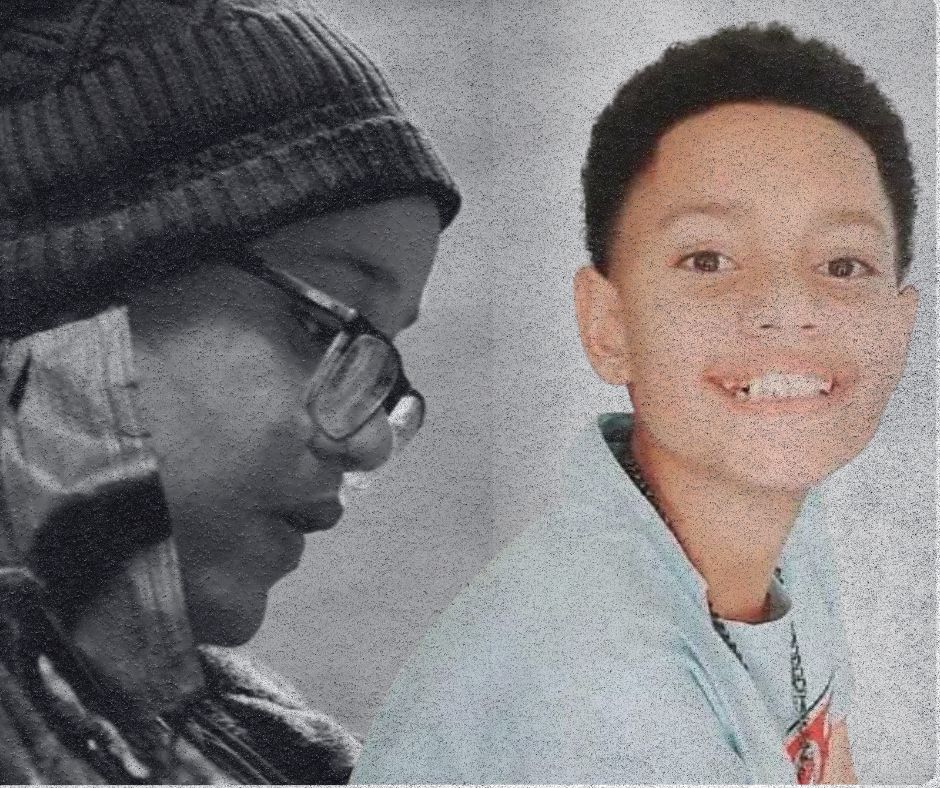
The trial of Tiffany Meek, charged with the murder of her son Jayden-Lee Meek, is back in the Johannesburg High Court on November 10.
Police systems do not routinely record the relationship between killer and victim, leading courts to impose sentences that are inconsistent and gendered in cases of filicide - where parents or parental figures kill children.
This is according to a study which found that no national database tracks filicide and South Africa therefore has no reliable national figure for how many filicides are committed in the country.
The findings come from a peer-reviewed article by Dr Safia Mahomed of the University of South Africa, published in the South African Journal of Bioethics and Law earlier this year. It calls for national sentencing guidelines, compulsory mental health assessments before sentencing, and a dedicated filicide register.
Dina Rodrigues is currently serving a life sentence for the murder of six-month-old Jordan-Leigh Norton.
Filicide, the killing of a child by a parent or parental figure, is prosecuted in South Africa as common-law murder, with no separate legal category.
The backdrop is stark. Quarterly figures cited in the study show about 28 children violently attacked each day in 2023 and 2024, with roughly three killed daily. In the first three quarters of the 2024/25 financial year, 1,181 children were victims of attempted murder, and more than 6,200 were seriously harmed.
A 2012 South African Medical Research Council study found that nearly half of all child homicides involved abuse and neglect. Globally, the World Health Organization (WHO) estimates about 41,000 children under 15 are murdered each year, and said that figure undercounts deaths wrongly recorded as falls, burns or drownings.
Six-month-old Jordan-Leigh Norton was stabbed in the throat.
Because police systems do not capture the perpetrator-victim relationship, researchers must piece cases together from mortuary records, autopsy reports and police interviews. Mahomed argues this makes it impossible to measure how common filicide is, spot risk factors or design prevention programmes. A register, she says, could also help flag families with repeated warning signs.
The study reviewed media-reported cases from 2005 to 2025 and found recurring drivers: revenge against a partner, domestic violence, untreated mental illness, long-running abuse and neglect, and sexual violence.
Amber-Lee Hughes has been convicted of the rape and murder of four-year-old Nada-Jane Challita.
Four-year-old Nada-Jane Challita was murdered by her father’s girlfriend.
According to the study, filicide rarely happens in isolation. It tends to occur where domestic violence, untreated mental illness, financial stress, and gaps in child protection overlap.
Premeditated murder carries a minimum life sentence unless a court finds substantial and compelling circumstances to deviate. Mental illness can count in mitigation, but it must be specifically pleaded and proven, and courts order evaluations case by case without common standards.
Drawing on earlier research, the study says this has produced a gendered pattern. Mothers seen as failing the ideal of motherhood have been judged harshly, while those viewed as mentally ill or overwhelmed have often received more lenient, treatment-focused sentences. The South African Law Reform Commission has recommended sentencing guidelines and a move away from rigid minimum sentences, but the study says these have not been implemented.
Liquethan Skylar Kiewietse, known as Baby Nikita, was raped and killed by her stepfather.
The Children's Act already requires teachers, health workers, social workers and police to report reasonable suspicion of abuse or neglect. Even so, the study says crimes against children continue to rise.
Anyone concerned about a child's safety can report suspected abuse to the police or the provincial Department of Social Development.