Five miracles at 30,000 feet: How flydubai flight avoided disaster
"Believe in miracles," Dr Shota Musaev, who was aboard the Israel-bound flydubai aircraft that survived a potential hijacking attempt by its co-pilot, told Channel 15. He may not have been wrong. Call it a chain of miracles or a series of extraordinary interventions, but without them, the incident could have ended as one of the deadliest aviation disasters in recent history.
The captain, Indian national Smit Machchhar, was brutally stabbed inside the cockpit by the co-pilot. The flight FZ 1073, carrying 174 passengers, plunged 17,000 feet in roughly two minutes, hurtling towards catastrophe. But then miracles followed.
Captain Machchhar, despite being seriously wounded and lying on the floor, managed to unlock the cockpit door. It allowed passengers to rush in and overpower the co-pilot. An Israeli plumber steered the aircraft's levers to veer it from nosediving. His teacher - a TV show on aviation disasters. Benjamin Netanyahu meets Yaniv Hayun, among the passengers who helped subdue the co-pilot
Crucially, two off-duty pilots who happened to be travelling on the same flight stabilised the aircraft and carried out the emergency landing. And significantly, despite the fatal plunge and most of its rudder being ripped off the tail, the aircraft landed safely in Saudi Arabia.
Here is how those five extraordinary moments unfolded.OPENING THE COCKPIT DOOR
The first and perhaps most crucial move was made by Captain Machchhar.
Despite being seriously wounded and losing a large amount of blood, he managed to reach the cockpit door and unlock it. In an aircraft, the cockpit door is designed to prevent unauthorised access from the passenger cabin.
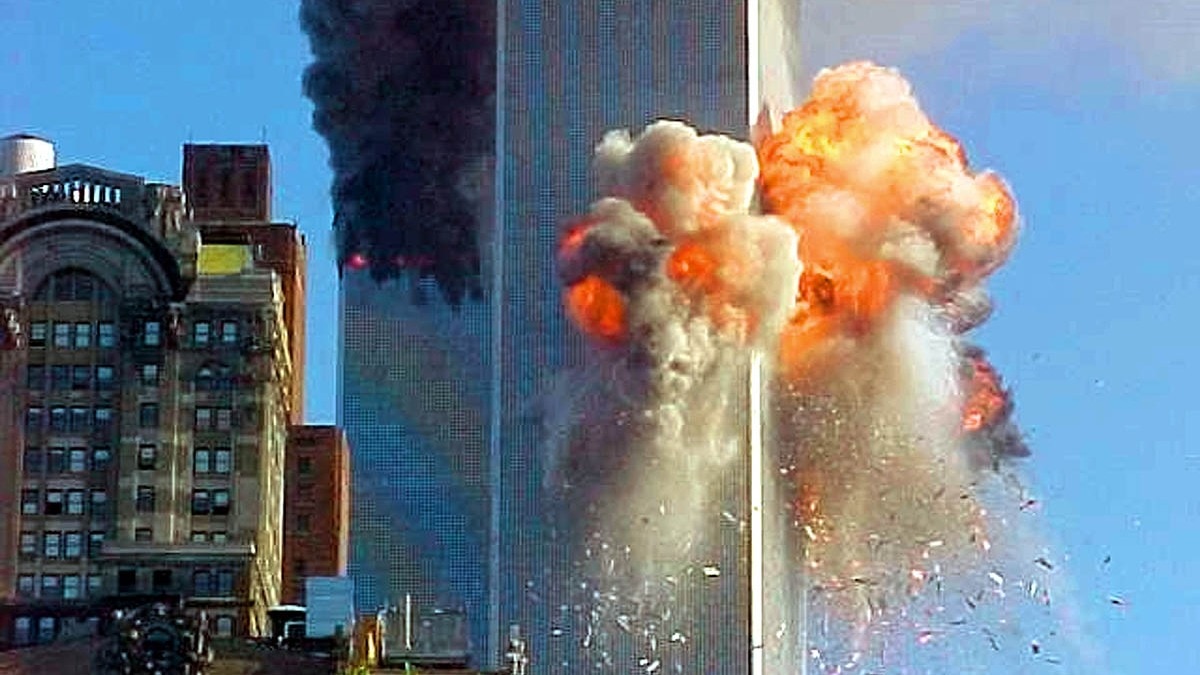
That single move changed everything. It allowed the passengers to rush inside and overpower the co-pilot, suspected to be an Omani national who was attempting to crash the aircraft 9/11-style.
Yaniv Hayun, the Israeli plumber who was among those who subdued the co-pilot, told India Today that Machchhar managed to open the door before collapsing.
Had that cockpit door remained closed, the passengers would not have been able to intervene, nor would the two off-duty pilots have been able to take control of the aircraft.PASSENGERS STORMING THE COCKPIT
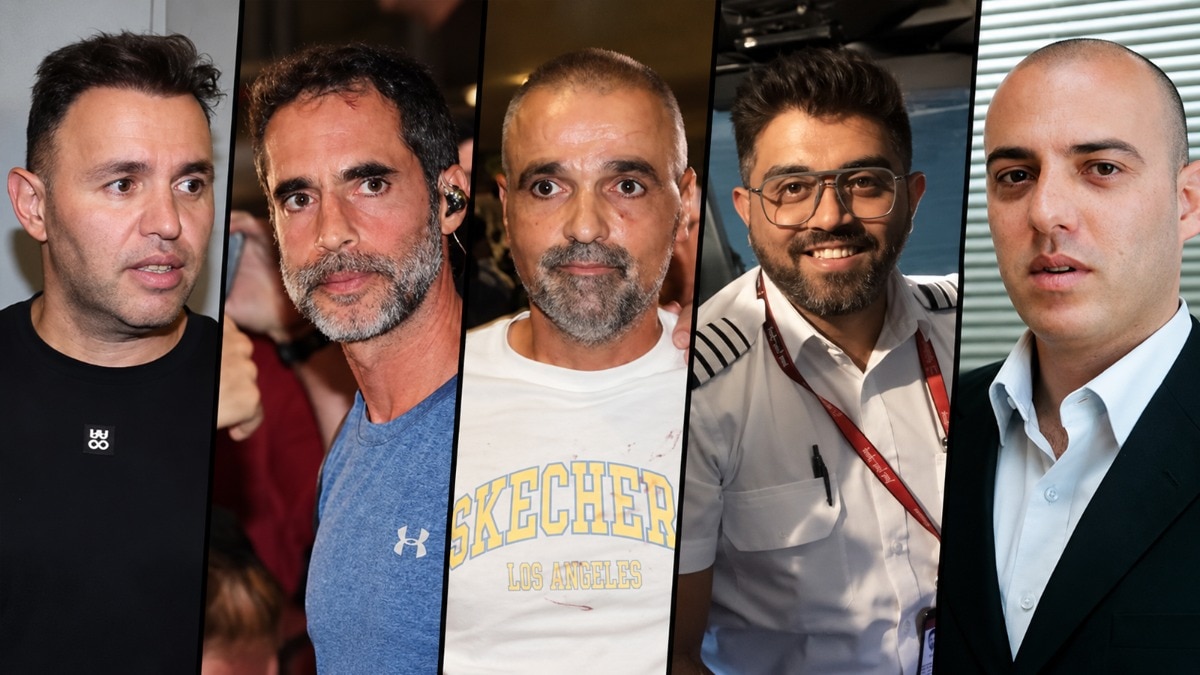
Apart from Captain Machchhar, there were four other heroes who rushed to the cockpit without caring about their own lives. They were a plumber (Yaniv Hayun), a dentist (Dr Shota Musaev), an insurance agency owner (Assaf Rajuan), a banker (Zvika Manes).
Most of them were returning from a vacation in Saudi Arabia when horror struck 30,000 feet above. Without thinking twice, they rushed to the cockpit and restrained the co-pilot using cables from the headphones distributed on the flight.
The timing was significant as the co-pilot was attempting to damage the aircraft's control panels. "It took quite a bit of physical force. He was a strong man, probably full of adrenaline," Manes told Israeli media.
While the others dealt with the co-pilot, Dr Musaev's timely intervention became crucial in saving the Indian captain's life.
"He was lying on the floor, was conscious, but lost a lot of blood. He had deep cuts in his arms and neck. My job was to stop the bleeding and keep him stable. Everyone was a hero," Dr Musaev told India Today.
For Rajuan, who was holidaying in Thailand a few hours ago, it was no less than a horror movie. "We managed to keep the attacker neutralised for 50 minutes and land in Saudi Arabia," he told Ynet News.
It was a rare show of courage by passengers in thwarting a hijack attempt.
It was reminiscent of what transpired aboard Flight 93 during the 9/11 attacks, 25years ago. Flight 93 was among the four planes hijacked by al-Qaida terrorists on September 11, 2001.
It is believed the hijackers had the US Capitol or the White House as their targets. However, 40 brave passengers and crew members stood in their way. The passengers fought the hijackers, causing the aircraft to crash in a field near Pennsylvania. However, in this case, all 40 passengers were killed. Relieved Israeli passengers arrive in Tel Aviv from Saudi Arabia on Wednesday night (AP) A PLUMBER WHO LOVES AVIATION SHOWS
Among those who entered the cockpit to restrain the co-pilot was Yaniv Hayun, a plumber. He was not a trained pilot, but he realised that the aircraft was on a dangerous descent.
All Hayun knew was that he had to pull the steering levers up to stop the aircraft from descending any further. After all, he was an avid follower of aviation shows.
While interacting with Israeli PM Benjamin Netanyahu, Hayun, still in his blood-soaked T-shirt, said he learnt about flight controls thanks to the Canadian documentary series 'Mayday'. Known as Air Crash Investigations outside the US, the TV show covers real-world air disasters.
"The plane started levelling out a little more," Hayun said, before the two off-duty pilots took over. His intervention helped arrest the aircraft's descent.advertisementTHE TWO OFF-DUTY PILOTSThen came the crucial piece of luck for the 174 passengers.
There were two off-duty pilots travelling on the aircraft who entered the cockpit, helped stabilise the aircraft and eventually carried out the emergency landing at Saudi Arabia's Tabuk airport.
Was it sheer luck? Or was there a security threat? There has been no official statement.
However, The Jerusalem Post reported that the additional pilots were placed on the flight in case of rerouting, amid tensions in the Middle East, which could have extended the journey and pushed the permitted duty hours of the original crew.
"If something happened over Kuwait and they told you to reroute, then you are putting 1-2 hours extra on the flight," an official told The Post.
Whatever may be the reason, their presence on the aircraft proved decisive in the end. The rudder on the rear of the aircraft suffered massive damage JET LANDS DESPITE MASSIVE DAMAGE
The final miracle was the aircraft itself landing safely, despite most of the rudder being ripped off the tail due to the rapid descent.
The rudder is basically the movable section on the rear that helps turn the aircraft's nose left or right.
Aviation experts were surprised the plane did not crash despite plunging thousands of feet and the massive damage to the tail.
"That was a serious descent, and strong aerodynamic forces on that rudder for that to happen. I am just amazed the aircraft didn't come apart," Steve Arroyo, a former pilot and aviation safety expert, told AP.
Together, these five back-to-back extraordinary events turned a terrifying mid-air drama into a miraculous escape for the 174 passengers.- Ends
Senior Assistant Editor at India Today, covering foreign affairs, geopolitics, defence and politics. Enjoy breaking down complex global developments, from strategic conflicts and military doctrine to diplomatic shifts, into sharp, accessible reporting. Also track South Asia's evolving security landscape.