Flavours of history take centre stage at Durban’s Heritage Food Festival - IOL
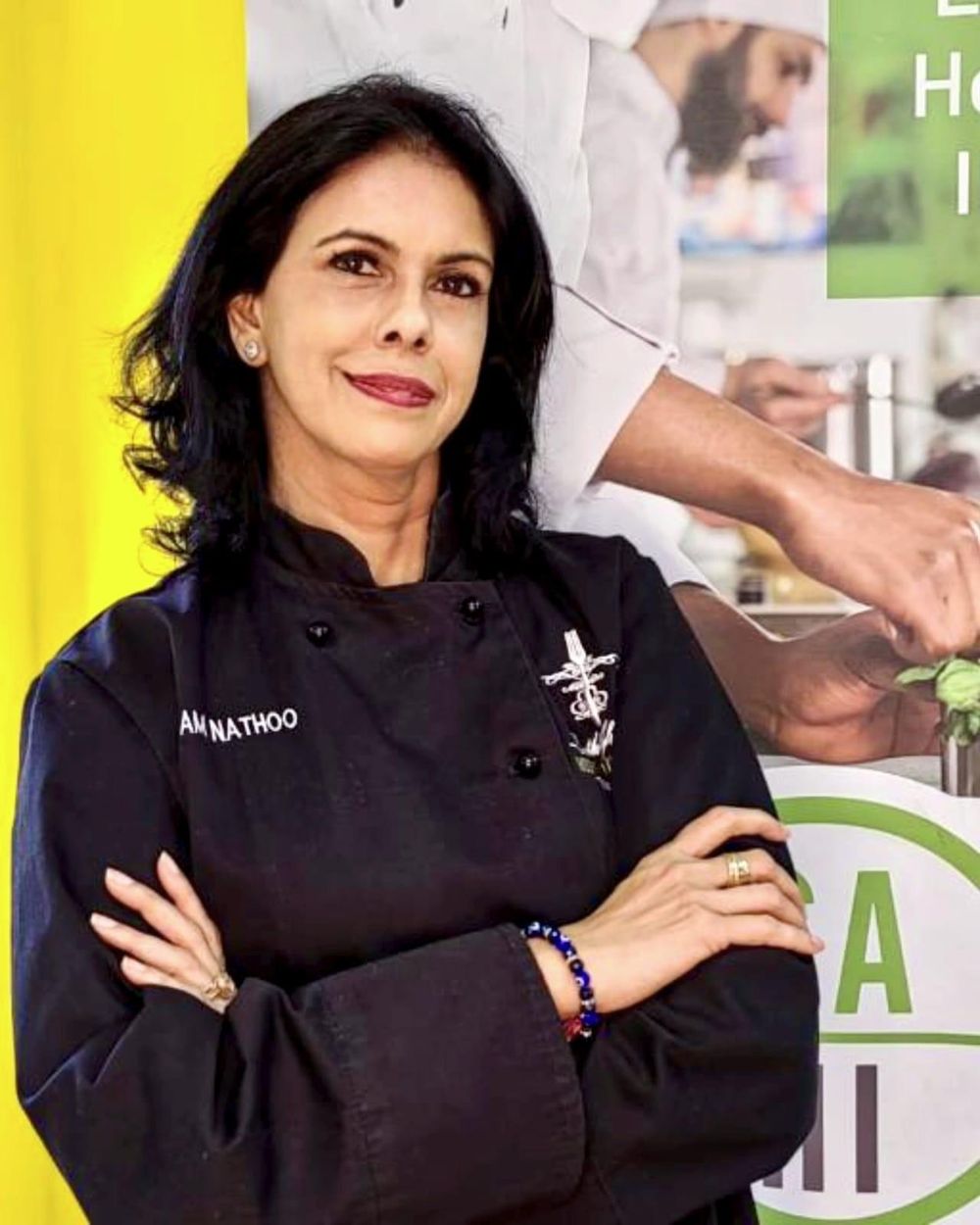
Thigam Nathoo: Thigam Nathoo’s love of cooking was nurtured from childhood in her mother’s kitchen. She will share her Gujarati Banana Curry and Bhaji, a dish that evokes treasured memories of family gatherings.
TRADITIONAL food will take centre stage when the 1860 Heritage Centre hosts its Heritage Food Festival on Saturday, September 12, bringing Durban families together to celebrate the flavours, memories, and cultural traditions shaped by the Indian indentured experience in South Africa.
The festival at 1 Derby Street, Greyville, will feature heritage dishes, live cooking demonstrations, and entertainment, with cooks Thigam Nathoo and Solina (Moodley) Naidoo sharing dishes rooted in their own family experiences. The event forms part of the Centre’s work to keep the history and heritage of Indian South Africans alive.
Kanji keerai: The vibrant green herb used in kanji keerai, a staple among many descendants of Indian indentured workers in South Africa. Blended with flavours ranging from pungent and sour to sweet and bitter, and traditionally complemented by crispy fried dried fish, the dish reflects how Indian food traditions adapted to ingredients found in KwaZulu-Natal.
For Nathoo, food has been part of family life since childhood. “I actually had no choice in this as my mum was an amazing cook, baker, and sweetmeat maker,” she said, recalling how she became her mother’s young kitchen assistant—mixing, beating, chopping, and stirring.
The preparations for Deepavali were particularly memorable, with Nathoo and her sister helping to colour almonds, mix poli filling, and roll soji woorande in hot syrup. Those early experiences developed into a lifelong love of food. Hospitality studies and hotel training later expanded her skills from preparing individual meals to cooking for large groups.
Marriage introduced another culinary influence. “My food journey gained a Gujarati flavour when I married,” Nathoo said, explaining that her mother-in-law introduced her to a different range of dishes and mithai.
At the festival, she will prepare Gujarati Banana Curry and Bhaji, a dish that initially seemed unusual because it combines ripe bananas with a spicy tomato chutney, methi herbs, and a gram-flour base. The dish carries a powerful family memory for Nathoo.
“This dish was a favourite Saturday dish at the obligatory weekly family lunches at my mum-in-law's home,” she said. “The feeling of family, being together, us ladies cooking together, and then all of us sitting down to the meal created memories that my children still talk about fondly.”
Solina Naidoo: whose culinary journey began in the Chatsworth kitchen of her mother and three “perimas”, will demonstrate her Perima’s Chicken & Lentil Curry, Durban Style, at the Heritage Food Festival.
Naidoo’s culinary journey also began at home, growing up in Chatsworth among women who cooked largely by instinct rather than written recipes. “By about 12 years old, I could already cook some classic South African Indian dishes on my own,” she said.
Her mother and three maternal aunts—her “perimas”—were her greatest influences and eventually inspired the story behind Perima’s Kitchen, through which she seeks to preserve flavours and knowledge passed down through generations.
Naidoo will demonstrate Perima’s Chicken & Lentil Curry, Durban Style, incorporating a South Indian flavour profile while showing how familiar dishes can evolve. “I want to show how small, mindful changes can start with the food we already know and love,” she said.
For Naidoo, however, food is about much more than ingredients. “My love for tinfish curry started on a family holiday at Spioenkop, where my Uncle Kessie cooked it over the fire,” she recalled, while other dishes immediately remind her of aunts, holidays, and childhood experiences. “That’s the power of food for me. A smell or taste can connect you to a person, a place, and a memory.”
That connection is central to the broader heritage story. Selvan Naidoo, director of the 1860 Heritage Centre, describes kanjikeerai (rice gruel and wild greens) as a marker of acculturated identity—an example of how Indian indentured communities adapted their food traditions to the realities of life in South Africa.
Indentured workers incorporated locally available ingredients into their cooking, creating food traditions that reflected both their Indian origins and their new African environment. Dishes featuring ingredients such as mealies, amadumbe, dried fish, and indigenous herbs became part of an evolving South African Indian food culture. The resulting cuisine tells a story of migration, adaptation, resilience, and cultural exchange.
Solina Naidoo believes preserving that story requires active participation from today's families.
“Our food tells the story of where we come from,” she said. “South African Indian food carries stories of migration, resilience, adaptation, family, and community.”
The Heritage Food Festival offers visitors an opportunity to experience that history through food, with guided tours of the Centre’s exhibitions and artefacts room also forming part of the programme.
And for Nathoo, there is perhaps one simple ingredient that should never be left out of any recipe: the cook’s state of mind. “Don't cook when you're in a bad mood,” she advised. “It definitely affects the food.”