"Follow the Money" in "Ecological Terrorism"
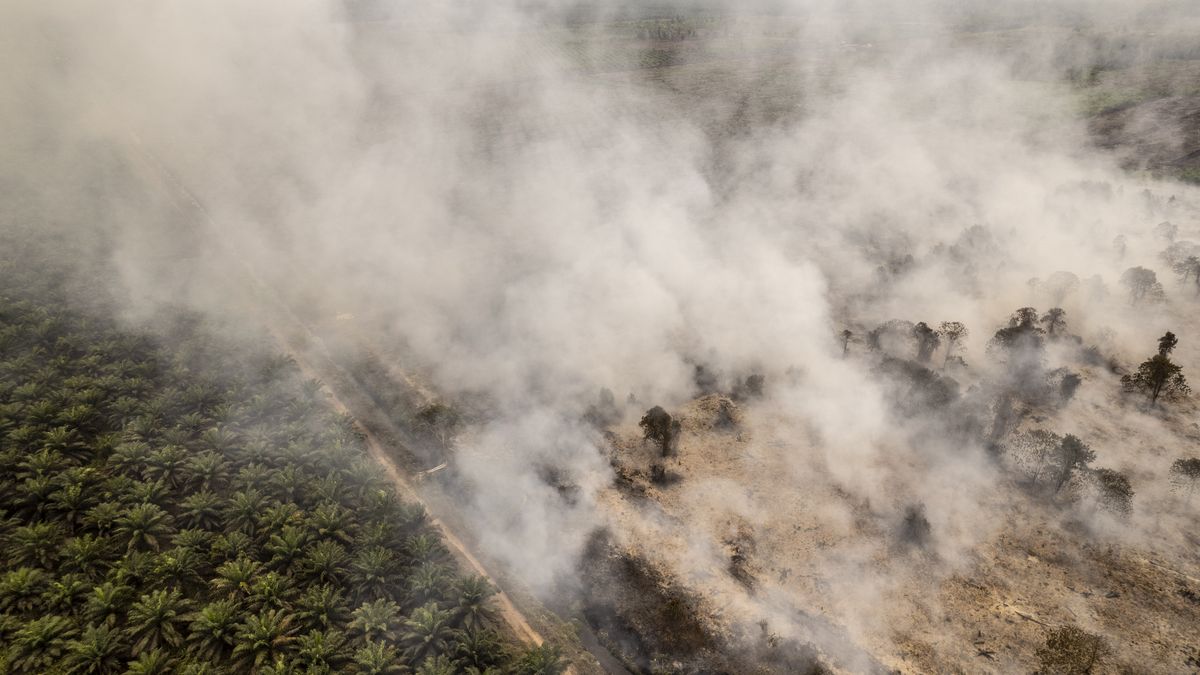
PRESIDENT Prabowo Subianto used an unusual term when discussing forest and land fires: “ecological terrorism.”
The government has been urged to explore the possibility of strengthening sanctions against those responsible for setting forest and land fires, including the potential application of this category.
At the same time, actions against corporations proven to be involved are also being pushed through license revocations and criminal investigations.
Whether “ecological terrorism” is an appropriate legal construct certainly requires a separate discussion.
However, the term raises another, perhaps more fundamental, question: If ecological damage is considered so serious, why do we only pursue the perpetrators and not also follow the money that enables this damage to occur?
Forest fires, deforestation, pollution, or large-scale ecosystem damage are not always purely environmental incidents.
Behind many large-scale economic activities lie decisions about investments, loans, working capital, insurance, and supply chains.
Of course, this does not mean every financial institution that has ever financed a company later found to have violated regulations is automatically responsible for the damage.
Causality and legal responsibility must still be carefully proven.
But there is another equally important question: what do these environmental damages mean for the financial risk of those institutions themselves?
Companies facing license revocation, operational shutdowns, environmental restoration obligations, litigation, market loss, or reputational pressure may experience material changes to their cash flow and ability to meet obligations.
At that point, environmental issues may migrate into financial risks. For banks, the impact can emerge primarily as increased credit risk and, under certain conditions, legal, compliance, and reputational risks. For investors, it can affect valuations and market risk.
Therefore, the relationship between finance and the environment works both ways. Financing decisions can impact the environment, but environmental changes and corporate behavior can also affect asset quality and financial institution risk.
How well do financial institutions understand the environmental risks of the activities they finance?
When new evidence of environmental damage arises, does that information alter assessments of cash flow, asset quality, collateral, or corporate risk profiles?