Foods That Could Become More Expensive During El Niño - Newsweek
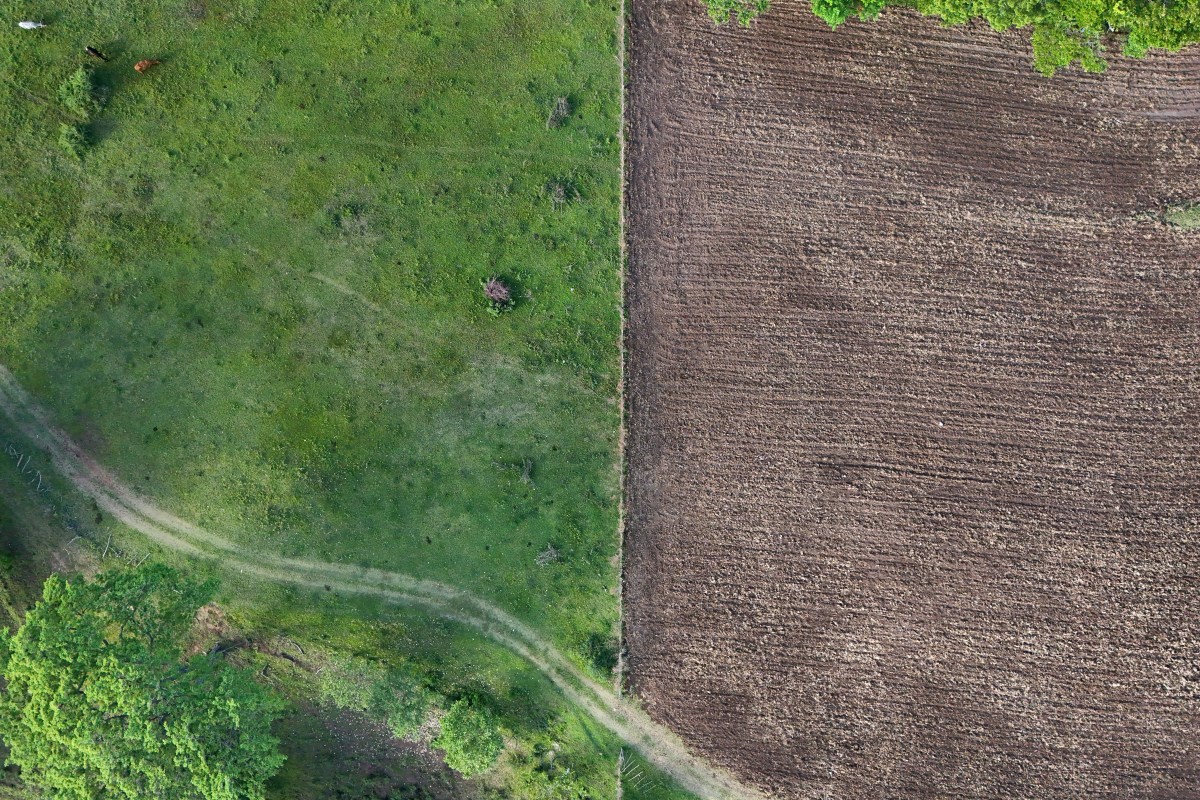
One of the most intense El Niños on record is set to exacerbate global food insecurity and raise prices for agricultural commodities worldwide.
The United Nations Food and Agriculture Organization said that world food prices in August were at their highest level since 2022, as many of the world’s largest crop-producing nations have wrestled with impacts of the record El Niño climate event that began earlier this year.
Heat deaths could top 450,000, according to Michael Greenstone, a co-founder of the Climate Impact Lab and the Milton Friedman Distinguished Service Professor in Economics at the University of Chicago, as the knock-on effects of the pattern are now threatening supplies, and those who rely on them, in many parts of the world.
“El Niño-related weather extremes will likely hit agricultural production in South and Southeast Asia and Western Africa the most,” Matin Qaim, a professor of Agricultural Economics at the University of Bonn, Germany, told Newsweek. “I am really concerned especially about the poorest of the poor, who have to spend a large part of their income on food anyway and will be able to afford less with much higher prices.”
From the regions that are forecast to suffer most severe effects of the El Niño—almost exclusively in the Global South—experts have identified a number of food groups that could see shortfalls over the coming months.
Chocolate, olive oil and coffee are among those expected to be in shorter supply and to spike in cost for U.S. consumers.
“Chocolate and sugar move first, both sit on unusually thin global buffers this year, so it takes very little to push prices up,” Kamiar Mohaddes, a professor of economics and policy at Cambridge University, told Newsweek. “Bread follows the wheat shortfall directly, while coffee and palm-oil-based foods lag three to 16 months behind the climate signal, pushing those effects into 2027.”
Mohaddes said that wheat production is also approaching a 56-year low, with rice imports also threatened by drought risks in India, Thailand and Vietnam.
Amanda Maycock, a climate scientist and professor at the University of Leeds, said that the El Niño had resulted in 10 percent to 15 percent less rain during the Indian monsoon this summer, which would slow rice production.
Maycock told Newsweek that other tropically grown goods like coffee and cocoa “are also expected to be affected by changes in both the destruction of crops from heavy rain and poor yields due to droughts.”
Experts said that the U.S. will be spared the worst effects of the El Niño, namely food shortages.
Nelson Villoria, an agricultural economist and professor at Kansas State University, told Newsweek that declining yields for items like corn will be “largely offset by production in other states” and that despite a potential slowdown in imports, “the U.S. is unlikely to experience shortages of major food groups.”
Qaim said: “Many poor countries in Africa and Asia depend on grain imports for their food security. In these regions, hunger will likely increase.”
He added that the climate event will exacerbate existing supply shortages caused by blocked shipping routes in the Middle East and predicted that prices could rise “over a longer period of time, at least six to 12 months.”
Mohaddes forecast a “mid-teens percentage” increase in food prices globally, “with the effects lasting up to two years since this event is still building toward a peak around December 2026.”
According to analysis from Goldman Sachs, cited by The Guardian in July, the event could result in a nearly 16 percent jump in global food commodity prices—one that researchers say could only be “fully realized” by the second half of 2028.
Contact Newsweek editors on this story: Ben Kelly and Dave Siminoff.