France school protests spark violence, arrests; and India’s CJP movement comparison - The Indian Express
For students protesting across France, the grievances are straightforward — overcrowded classrooms, too few teachers and schools in poor condition. Basic facilities are inadequate. In some cases, students say they are being asked to learn in conditions that they believe are simply not good enough.
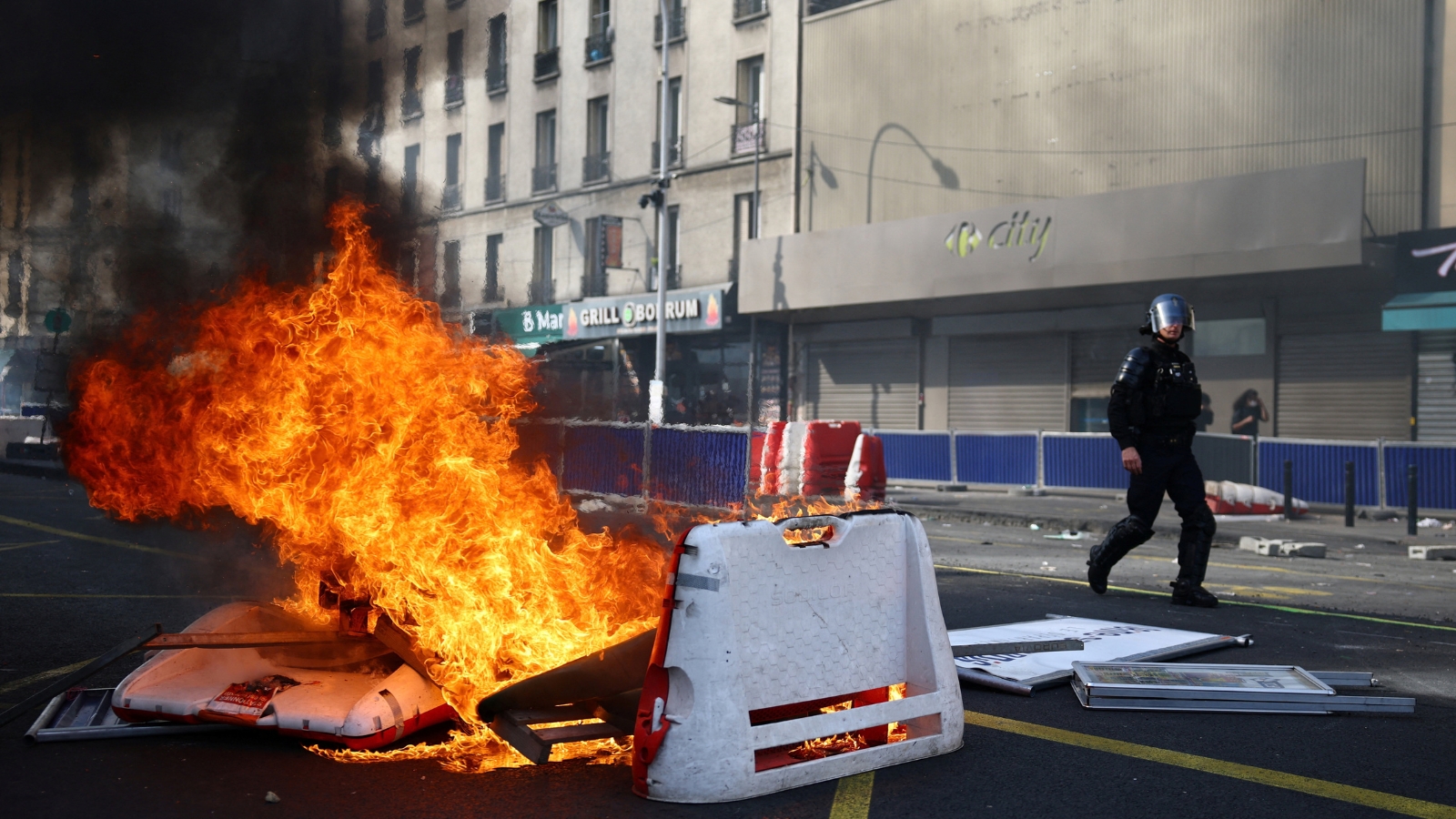
Those grievances have now spilled onto the streets. What began in the Paris region has spread across France, with students blockading schools and clashing with police. Hundreds of schools have been disrupted or closed, and thousands of people have been arrested, news agencies reported.
The protests also have an Indian parallel. In recent months, the Cockroach Janta Party (CJP) has moved beyond its agitation over the NEET-UG controversy and the resignation of former Education Minister Dharmendra Pradhan to a broader campaign focused on the condition of government schools across India.
Its “School Thik Karo” campaign has taken members to schools in different states, where they have documented problems ranging from broken buildings and inadequate toilets to shortages of teachers and drinking water.
The French protests and the CJP campaign are not connected, and they have emerged from very different political contexts. But both draw attention to an issue often overlooked in debates over exams, rankings and education policy: the everyday reality of going to school, from the condition of classrooms and availability of teachers to basic facilities that students rely on.
France vs India: Two education movements, one question — are schools fit for students?
Students in France are protesting; in India, the CJP is auditing schools.
What is CJP’s “School Thik Karo” campaign?
CJP says the aim is to “fix government schools in villages”: citizens visit a school, fill in its checklist, photograph problems and send the findings to local authorities.
Checklist and figures as stated by the Cockroach Janta Party on its campaign page. CJP has not yet published audit results. Source: Cockroach Janta Party
Different movements. Different contexts. A similar focus on the basic conditions students need to learn.
Sources: France: Reuters, AP, Al Jazeera, CBS News, Euronews. India: Cockroach Janta Party (campaign page), Al Jazeera, ABC News (Australia).
The immediate grievances are about the conditions inside French schools. Students have complained about overcrowded classrooms, teacher and staff shortages, poorly maintained buildings and inadequate resources.
Some have also raised concerns about long school days and the pressure surrounding university admissions. Reuters reported the example of a 15-year-old student in Pantin, outside Paris, who said her class had 35 students and that there were not enough chairs.
For students, these are not abstract budget numbers. They are problems they encounter when they walk into the classroom every day.
A high-school movement over classroom conditions has spread from Paris across France.
The movement began last week in the Paris region, with protests in Pantin and Aubervilliers.
Rubbish containers were set on fire during protests.
Police used tear gas against protesters.
Named among the cities where protests took place.
Fireworks were fired at police; many schools switched to remote classes.
Named by Reuters among the towns affected.
Cities named in Reuters, AP, Euronews, Al Jazeera and CBS reports. Pins placed from city coordinates.
Custody and injury figures from French ministers via AP and Reuters. Budget excludes teacher pensions; the 1.7% rise is below inflation.
Protests begin in the Paris region over classroom conditions.
The movement spreads to cities across France.
Clashes with police: tear gas, fireworks, burning bins.
About 2,000 people in custody; ~400 high schools shut.
Government crisis meeting; parents told to keep children away.
“We are 35 per class, we don’t have enough chairs in classrooms.”
“For a whole year, we didn’t have a science teacher.”
Students describe dilapidated buildings and overheated classrooms.
Long school days, and a one-hour lunch break too short for everyone to get food.
Sources: Reuters, AP, CBS News, Al Jazeera, Euronews, Fox News, French education and justice ministries.
The protests began in the Paris region before spreading to other parts of France. By Friday, the disruption had become nationwide.
The French Education Ministry said 560 schools had been affected, the Associated Press reported. Reuters said around 400 high schools were closed on Friday.
Interior Minister Laurent Nunez said around 5,000 people had been arrested since Monday, most of them teenagers, Reuters reported. AP had reported more than 1,900 arrests at an earlier stage of the unrest.
Reuters reported confrontations involving riot police in Strasbourg, Marseille and Rennes. Fires were started in some places and fireworks and other projectiles were thrown at police. In Pantin, fences were burned, and firecrackers were thrown at riot police, Reuters reported.
The French government has argued that people intent on causing disorder have joined the student movement. Rights groups, meanwhile, have accused police of excessive force in some incidents. Reuters reported that authorities were investigating allegations of police violence.
The government has acknowledged concerns about education but has strongly condemned attacks on police, teachers and school officials. Education Minister Edouard Geffray said 65 education workers had been injured, including 40 headteachers, Reuters reported.
AP reported that 305 police officers were injured on Thursday. Teachers’ unions have also announced a strike for Tuesday.
The school protests are unfolding alongside a much wider argument about France’s finances and the government’s proposed 2027 budget. The proposed education budget is €65.53 billion, excluding teacher pensions, an increase of 1.7 per cent, according to Reuters.