Freeze Warnings Issued As Midwest Hit by First Major Cold Blast of Fall - Newsweek
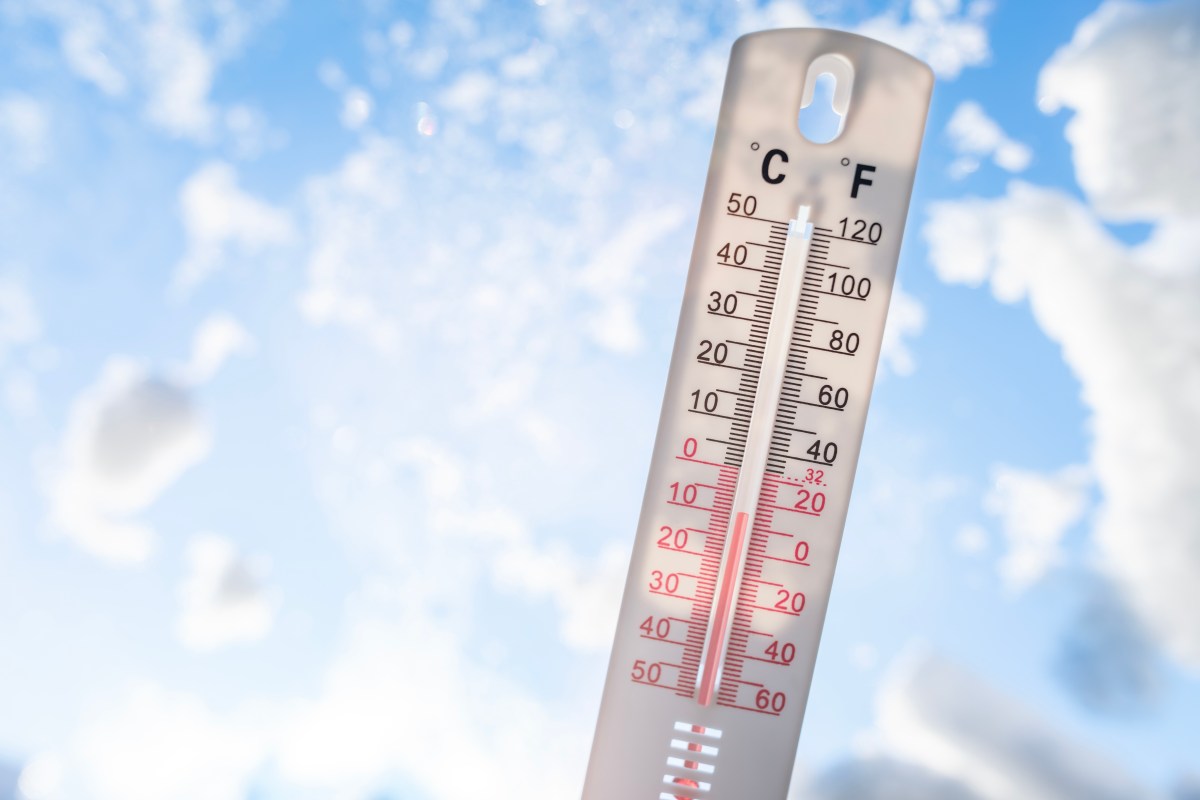
National Weather Service (NWS) offices in Minnesota, Michigan, and Wisconsin have issued a frost advisory for Tuesday morning, with an office in Michigan also issuing a freeze warning, as temperatures plunge this week alongside the arrival of fall.
Cooler air is moving into the region from Canada, causing the dip in temperatures. Freeze warnings and frost advisories are two cold weather-related alerts used by the NWS to notify residents of temperatures that might become cold enough to damage outdoor plants or hurt animals that might be caught outside. These alerts are typically used at either the end or beginning of the growing season to alert farmers and gardeners that the weather could harm their crops.
This is the first freeze warning issued by NWS Marquette this season, NWS meteorologist Ben Warren told Newsweek. The region typically sees its first freeze sometime in late September or early October, making the chilly weather this week a little early for normal conditions.
"Our normal [overnight] temperatures this time of year are typically in the 40s," Warren said.
The first day of fall is Tuesday, September 22.
A freeze warning, which is more severe than a frost advisory, is issued when temperatures are expected to dip below 32 degrees Fahrenheit for an extended period of time.
A frost advisory is issued when temperatures are cold enough that frost could occur. This might mean a frost advisory is issued even when temperatures are above freezing, as temperatures closer to the ground can be several degrees colder than air temperatures where thermometers are often positioned, meaning frost could form even when the thermometer reads a temperature above freezing.
The freeze warning was issued by the NWS office in Marquette, Michigan. It will go into effect at 2 a.m. Tuesday morning for Baraga, Iron, and Southern Houghton counties. Temperatures as low as 30 degrees Fahrenheit are expected.
Impacted cities include Kenton, Iron River, Sidnaw, and L'Anse.
In addition to taking steps to protect plants that could be susceptible to the chilly weather, the warning also urged people to take action to protect water pipes.
"To prevent water pipes from freezing; wrap or drain or allow them to drip slowly," the warning said. "Those that have in-ground sprinkler systems should drain them and cover above-ground pipes to protect them from freezing."
Frost advisories were much more widespread. They were issued by the NWS offices in Duluth, Minnesota; Gaylord and Marquette, Michigan; Grand Forks, North Dakota, which was issuing the advisory for its Minnesota forecast area; and Green Bay, Wisconsin.
Temperatures will drop to 33 or 34 degrees, depending on the location.
"Frost could harm sensitive outdoor vegetation. Sensitive outdoor plants may be killed if left uncovered," NWS Grand Forks said in the alert.
A strengthening El Niño in the Pacific Ocean could influence winter weather in the U.S. this year, including temperatures. El Niño is the warm phase of the El Niño-Southern Oscillation (ENSO) cycle. It has hit record-breaking strength already this year and is expected to continue strengthening into November or December, a NOAA spokesperson told Newsweek on Monday.
In the U.S., El Niño causes the most widespread impacts during the fall and winter months, when cooler, wetter conditions are experienced across the South, with warmer, drier conditions in the North. It can also influence the storm track, whether precipitation falls as snow or rain, and extreme cold spells.
The frost advisories and freeze warning will expire Tuesday once the sun rises and temperatures warm up. However, similar warnings will likely be issued soon across the U.S. as fall weather takes hold.
Despite the fall season, though, NOAA's Climate Prediction Center is anticipating a high chance of above-average temperatures across most of the U.S. through October 5, according to its most recent temperature outlook.
Newsweek’s reporters and editors used Martyn, our AI assistant, to produce this story. Learn more about Martyn here. Contact Newsweek editors on this story: Jason Lemon and Gray R. Thomas