Freezer hacks that can save you money and reduce food waste - IOL
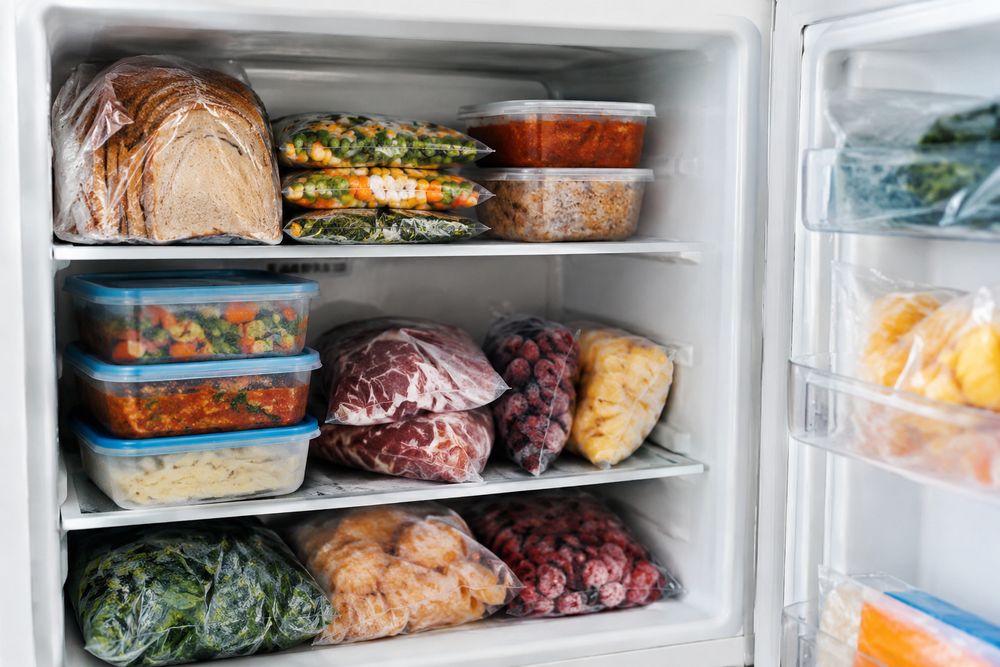
Using your freezer wisely can help reduce food wastage.
The freezer is probably one of the hardest-working appliances in the kitchen, yet many of us use only a fraction of what it can do.
It is where we keep meat, frozen vegetables, ice and perhaps a loaf of bread.
But used properly, your freezer can also become one of the simplest tools for cutting food waste and stretching the grocery budget.
The trick is to stop thinking of the freezer as somewhere food goes when you have too much of it.
That half loaf of bread you know nobody will finish? Freeze it.
Bananas that are becoming too ripe? Peel and freeze them for smoothies or baking.
Fresh herbs that are wilting? Chop them and freeze them in small portions.
Leftover cooked food that nobody is likely to eat tomorrow?
Portion it and freeze it rather than leaving it in the fridge until it has to be thrown away.
The important part is timing. Freezing is most useful when you do it while the food is still good, rather than waiting until it is already past its best.
It's important to know when you should freeze produce.
A freezer can also help with one of the more expensive grocery habits: buying something again because you forgot you already had it.
Keep similar foods together and make it easy to see what is there.
If you have three packets of chicken, a container of cooked mince and several portions of leftover curry, you are less likely to buy another meal's worth of food unnecessarily.
A quick freezer check before grocery shopping can save money without requiring a complicated meal plan.
There is little point in freezing a huge container of food if you know you will only need enough for one or two people.
Divide leftovers, cooked mince, soup, stew, rice or other suitable foods into portions before freezing.
Smaller portions also thaw more easily and can be taken out individually.
For foods such as bread, freeze slices rather than the entire loaf. You can take out only what you need.
For soups and sauces, flat freezer bags can save space because they can be stacked once frozen.
Portion off food before storing it in the freezer.
Buying a larger quantity is not automatically cheaper if some of it ends up in the bin.
The freezer can make bulk buying more practical, but only when you already know you will use the food.
Meat can be divided into meal-sized portions before freezing.
Grated cheese can also be frozen in portions, while fruit that is unlikely to be eaten in time can be prepared and frozen for later use.
The saving comes from using what you bought, not simply from buying more.
One of the easiest ways to reduce food waste is to stop treating leftovers as one specific meal.
Cooked vegetables can become part of a frittata or soup. Leftover roast meat can be portioned and frozen for another meal.
Extra cooked mince can form the starting point for pasta, cottage pie or another quick dinner.
You do not have to decide exactly what the food will become when you freeze it.
Label the container with what it is and the date, then decide later.
Think about what repeatedly ends up in your household bin.
If it is fresh herbs, freeze them. If it is bananas, freeze them.
If you regularly use only part of a packet of grated cheese, freeze the remainder if the product freezes well.
If you buy a large bag of bread but never finish it, freeze half when you get home.
This is where freezer hacks become genuinely useful. Instead of changing your entire shopping routine, you are changing what happens to the food you already know tends to go to waste.
Freezing does not kill harmful bacteria. It stops them from multiplying while the food remains frozen, so food still needs to be handled properly before and after freezing.
Perishable leftovers should be refrigerated or frozen within two hours.
Divide large quantities into shallow containers so they cool more quickly before freezing.
When thawing food, the safest option is to thaw it in the refrigerator rather than on the kitchen counter.
And remember that freezing is not a magic solution for food that has already gone bad.
If something has been sitting in the fridge for too long or shows signs of spoilage, freezing it simply delays the problem.
Your freezer is not just cold storage.
Used deliberately, it can help you shop more carefully, waste less and get more meals from the groceries you have already paid for.