From food to interest rates: How SA’s fuel shock could hit the economy - IOL
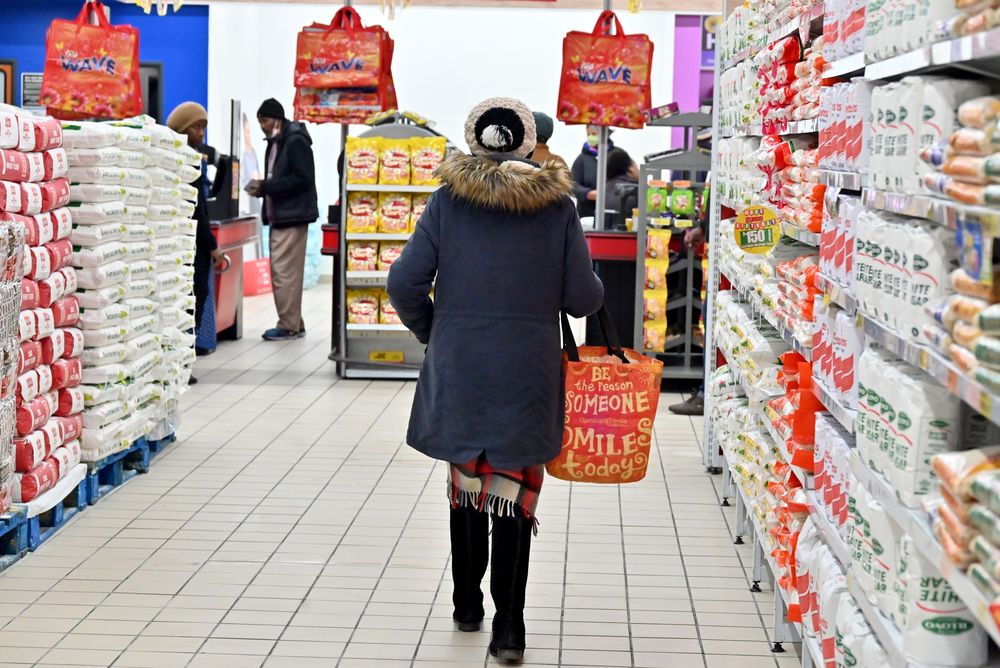
Rising oil and fuel prices could squeeze South African households through higher transport, food and borrowing costs, while putting further pressure on an already fragile economy.
The latest surge in oil prices threatens to create another headache for South Africa's already pressured consumers, with higher fuel costs potentially feeding into everything from grocery bills to inflation and interest rates.
Brent crude traded close to $110 a barrel on Friday after breaking through the $100 mark earlier in the week, as the conflict in the Middle East continued to unsettle global oil markets.
The impact of higher oil prices extends well beyond petrol and diesel. South Africa imports much of its crude oil and petroleum products, meaning a sustained oil shock can increase the country's import bill and potentially put additional pressure on the rand.
A weaker rand would, in turn, add to the cost of imported goods and inputs, creating another potential source of inflationary pressure.
Investec economist Lara Hodes said September's significant fuel-price increases would place further strain on already pressured household budgets, while projected increases in October would further erode purchasing power.
“Consequently, consumer sentiment is likely to remain highly subdued in the third quarter, with households expected to adopt a more cautious approach with concerns around affordability and the broader economic outlook,” Hodes said.
The effect is not limited to motorists. When households have to devote more of their income to fuel, transport and other essentials, they have less money available for restaurants, entertainment, clothing and other discretionary spending.
That could create a second-round effect for businesses that rely on consumer spending, particularly at a time when South Africa's economy is already struggling for momentum.
Higher diesel costs will also put additional pressure on the food supply chain.
The Road Freight Association says fuel accounts for around 35% to 55% of operating costs for road-freight companies. Based on the September diesel increase, this could translate into an overall increase in freight operating costs of roughly 4% to 6%, although the eventual impact will depend on how much of the increase operators, suppliers and retailers absorb.
More than 80% of land-based freight is transported by road, while trucks play a crucial role in moving food between farms, processors, distribution centres and retailers.
This does not mean grocery prices will rise by anything close to the diesel increase. Transport is only one component of the final price consumers pay, and operators can also use fuel-adjustment mechanisms in contracts to recover some of the additional cost.
There are also factors currently working in consumers' favour. Investec Chief Economist Annabel Bishop has said South Africa remains in a period of food-price deflation at the agricultural level, although the potential impact of El Niño-related weather on food production could become a bigger concern towards the end of the year.
The oil shock could also complicate the South African Reserve Bank's efforts to balance inflation against weak economic growth.
Investec Chief Economist Annabel Bishop said a prolonged Middle East conflict combined with oil prices above $100 a barrel would negatively affect South Africa's inflation and interest-rate outlook.
“The persistence of the Middle East War and the oil price over US 100/bbl would negatively impact the inflation and interest rate outlook, and now another 25bp interest rate hike this year is possible for SA although the ME outlook is uncertain,” Bishop said.
The SARB has so far taken a cautious approach to the oil-price shock and its impact on inflation. It raised interest rates by 25 basis points in May but left rates unchanged at its April and July MPC meetings.
“With an MPC meeting this month, the SARB may hike by 25bp as the oil price shock has flared up again, which could impact inflation if it persists. The MPC meeting this month is on the 23rd, and much will depend on oil and rand price movements,” Bishop said.
The policy rate is currently 7%, while the prime lending rate is 10.5%. The most recent MPC meeting saw the vote split 4–2, with two members favouring a 25-basis-point hike.
The broader oil shock could also affect diesel-intensive sectors such as mining, construction and infrastructure, while higher international oil and jet-fuel prices could put pressure on aviation costs.
But perhaps the biggest economy-wide concern is the cumulative effect on consumers.
If households are forced to spend more on fuel, transport and food, there is less available for discretionary purchases. That could put further pressure on businesses that rely on household spending, adding another potential drag to an economy already struggling to build momentum.