Garments carry our heritage through generations - IOL
Fashion World CEO Faruk Dockrat reflects on what happens to clothes after they leave the store, and what decades of serving South African families have taught the retailer about ownership, community, culture and heritage.
South African families shape the life of a garment long after it leaves the shop, and they have done so for generations. A jersey passes to a younger brother, a mother’s special-occasion outfit is altered and reimagined for her daughter, and a matric dance dress is lent to a cousin who needs it. Clothes are worn, repaired, adapted, shared and handed down, gathering memories and meaning as they move between people and generations. In this way, what we wear becomes part of how we remember where we come from and how we carry our heritage forward.
On Thursday, September 24, South Africa marks Heritage Day, the public holiday on which its people celebrate the cultures and histories they share, and much of that heritage will be visible in the clothes people choose for the day.
Fashion World opened its first store in 1981 and now trades from 253 stores across the country, many of them in community centres and smaller towns. And despite the onward trend that sees local textile and garment moving out of South Africa, Fashion World still makes a meaningful share of its clothing in its own South African factories. For more than 40 years the company has dressed South African women, children and families for their job interviews, weddings, funerals and first days at school, the special occasions when being seen matters most to them, and the memorable moments that have become family history. A retailer that designs, makes and sells clothes for that many years becomes part of the way heritage evolves and develops accumulatively, because every garment we sell goes into communities we have served, where it is noticed, remembered and often passed on.
Retailers describe the period after purchase as a garment’s ownership phase. But families have been practising their own form of circularity for generations. They mend, alter, lend, hand down, mix and match, and find new ways to make an old garment work. Conscious customers can be very specific about their purchase and have already have the next wearer in mind when they enter a store. Fluctuating household budgets make that kind of care not only practical but deeply personal. Statistics South Africa reported that the economy shrank by 0.2% in the second quarter of 2026. For families managing tighter household budgets, buying something affordable that can be worn, cared for and passed on has both practical and personal value.
That care is also an act of respect for the person who wore the garment first, for the occasion it was bought for, and for the memories it already holds and those still waiting to be created.
Fashion World developed a plus-size range around the women who shop in its stores and the lifestyles they live, and each season reveals more insights into which designs and cuts mothers, daughters, aunts and peer groups return to and which they style in their own way. When families shop together, we see a garment length, a collar or a colour move from one generation’s wardrobe to the next, changing in fit while remaining recognisable to anyone who knew the original.
Every January, the company watches families prepare for the school year ahead. A uniform has to survive a full year of wear and sometimes be passed to a younger sibling. For many children, it is the first garment they wear with pride in public on behalf of something larger than themselves. A jersey passed between siblings carries both family care and careful budgeting.
Clothing is often tied to the occasions people remember most. A mother buying for a funeral needs different help from a grandmother preparing for a wedding. When a store understands the occasion, the interaction becomes part of the experience, and a customer who feels understood is more likely to return when the next family occasion arrives.
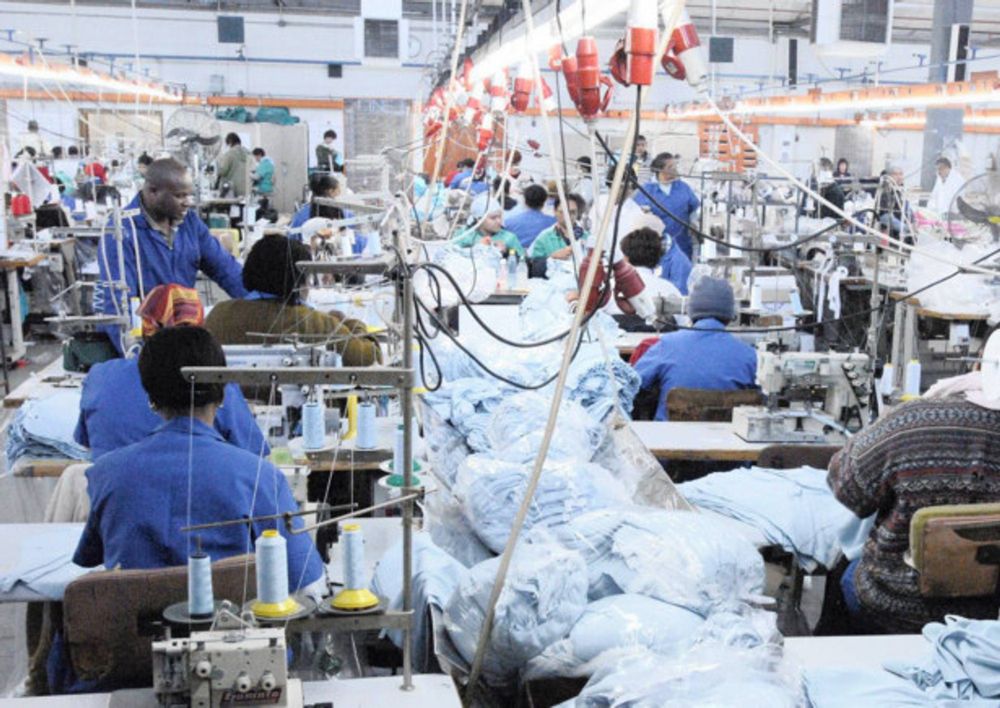
The garments carry the skill of the people who make them and the skill of making a garment is part of that living heritage too. In Fashion World’s factories, experienced machinists still teach new generations how to cut, set a sleeve and finish a seam, passing those skills between workers much as a style passes from one generation of a family to the next.
That passing of knowledge is part of a much larger story. Clothing carries the imprint of the people who make it, the people who wear it and the communities in which it becomes part of everyday life. Making clothes in South Africa brings its own complexities and can often cost more than importing them. Yet Fashion World’s factories have an advantage in helping to sustain local production: a network of 253 stores with longstanding relationships in communities across the country, generating a steady flow of orders throughout the year.
The same process happens beyond the garment itself: knowledge passes between generations, communities teach one another, and everyday habits become part of our shared cultural inheritance.
Greetings are among the most alive forms of South African heritage. Sawubona, Molo, Dumela, Thobela, Avuxeni, Lotjhani, Ndaa and many others carry more than a simple hello. They express ideas of respect, age, welcome and belonging, with each language and community giving those values its own expression.
There is no single South African way to greet, and that diversity is part of what makes our culture so rich. For forty years, Fashion World’s stores have been places where these everyday expressions of heritage happen thousands of times a day. Store managers learn from the communities they serve: how people greet one another, how respect is expressed, how elders are welcomed and how people make others feel that they belong.
That knowledge is a form of cultural intelligence. It extends beyond retail into something fundamental about how we live together: how we welcome someone into a space, bridge differences, respect generations and create a sense of belonging.
And perhaps that is what Heritage Month gives us an opportunity to recognise. Heritage lives in the grand stories of our history, but it also lives in the ordinary things we do every day: the clothes we make and pass on, the skills we teach, the styles we adapt, the languages we speak and the greetings with which we acknowledge one another.
Heritage is something we inherit, something we practise and something we continue to shape. We shouldalso look beyond the ceremonies and celebrations of Heritage Month and notice the living heritage around us all year round: the skills passed from worker to worker, the clothes passed from sibling to sibling, the styles families make their own, the languages we speak and the warm greetings with which we acknowledge one another. These are the everyday acts through which culture remains alive, evolves and moves from one generation to the next.
* Faruk Dockrat is the CEO of Fashion World.
** The views expressed do not necessarily reflect the views of IOL.