
Google's AI Opt-Out Conundrum: Publishers Push for Controlled Access - Tempo.co English
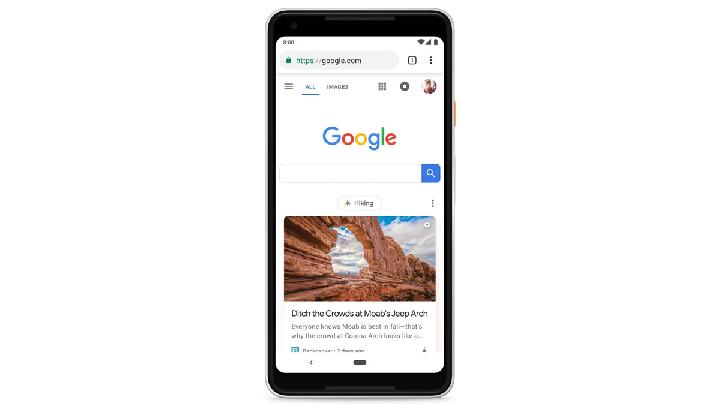
TEMPO.CO, Jakarta - The chair of the Indonesian Cyber Media Association (AMSI), Wahyu Dhyatmika, said Google's AI opt-out option—which forgos content summarization by the search engine's AI Search function—gives publishers more detailed control, but not without consequences.
"This is indeed a dilemma faced by publishers worldwide," he told Tempo on Thursday, September 24, 2026.
According to Wahyu, the opt-out control has been available globally since August 31, 2026. Publishers can set preferences so their sites do not contribute to responses generated in AI Overviews, AI Mode, and AI Overviews on Google's smart homepage or the "Google Discover."
This option does not cause the site to lose ranking on non-AI search results. However, publishers who utilize the opt-out function may lose "impressions" or "traffic" from this generative AI feature.
Choosing to opt out, Wahyu said, carries the risk of losing visibility, especially as AI use is growing more rampant among internet users to seek information. "Publishers who are not visible could potentially lose discovery, referral traffic, and connection with new audience segments," he said.
On the other hand, allowing all content to be used by AI unconditionally also poses its own risks. Publishers may lose control over the value of their content, given that AI directly summarizes information without visiting the source site.
In the long term, this shortcut in information retrieval can accelerate the zero-click behavior, when users obtain information without visiting the publisher's site. This ultimately erodes traffic and ad revenue for the media.
As discussed in Tempo's premium report: Mungkinkah Konten Penerbit Keluar dari Ringkasan AI Google (Can Publishers Escape Google's AI Summaries?), the decline in visits to news sites due to AI is a growing concern among nations. The UK's Competition and Markets Authority (CMA) mandated in June 2026 that Google provide publishers in the country with tools to control their content in the AI-based search function. Publishers in the UK must also have the option to opt-out of using their content to train Google's AI model.
But publishers need more than blocking or allowing their content for AI use, Wahyu said. Companies seek varying levels of control to manage usage, attribution, measurement, licensing, and compensation for their content. "What is necessary is a spectrum of control: block, allow, attribute, measure, license, and compensate."
AMSI pushes Indonesian publishers towards a model of controlled access. Research from the organization recommends the use of structured "robots.txt" on each media company's site. The group also advises implementing AI blockers or Web Application Firewalls (WAF), as well as monitoring click-through rates (CTR) and bot activities.
To complement these measures, a more advanced framework for licensing and publisher rights is a necessity. "This is important, especially for small media," said Wahyu.
In a number of Global South countries, referring to practices observed by AMSI, small and medium media have more limited technical resources. Their bargaining power is also weaker to negotiate individually with AI companies. "Therefore, AMSI sees a growing need for collective infrastructure and collective bargaining."


