Government’s House leader rules out constitutional bill for fiscal package - Valor International
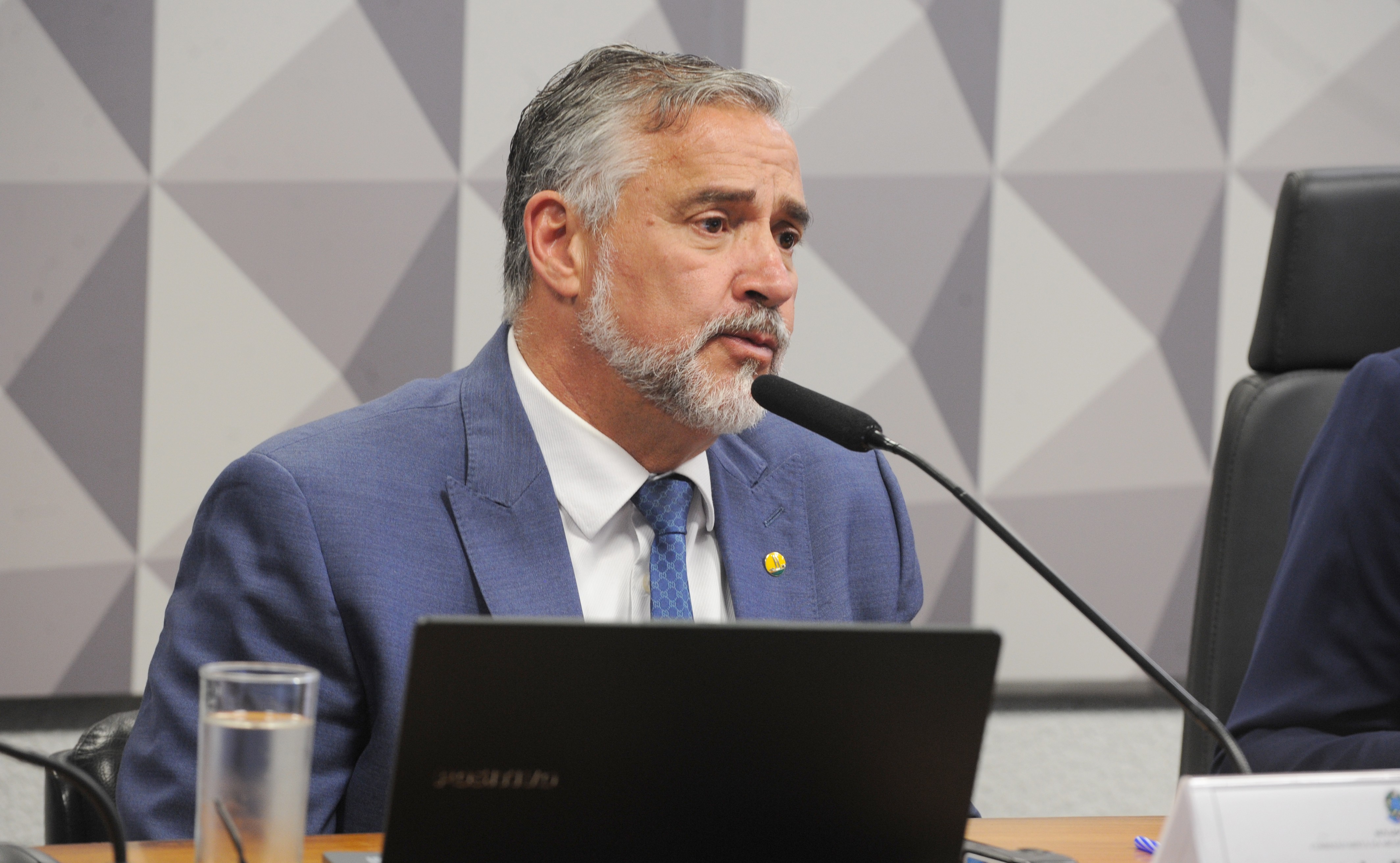
As the administration pushes for congressional approval of its fiscal adjustment package, Federal Deputy Paulo Pimenta (Workers’ Party, PT, Rio Grande do Sul), the government’s leader in the Chamber of Deputies, blamed resistance within the PT caucus on a lack of familiarity with the bill and said he is working to bring it to a vote this week. In an interview with Valor, he ruled out submitting a proposed constitutional amendment (PEC) as part of the package. The economic team had previously discussed such a measure to limit spending outside the fiscal framework.
“This isn’t a matter of friendly fire. The main issue is misinformation, when people bring up things the bill doesn’t cover, such as the minimum wage,” he said. Pimenta added that there is “justified concern” about attacks on social benefits and public investment.
“But once people get to know the bill and understand the details, they see there’s no need for that concern. Through dialogue, we can help people better understand what the bill is for, and I’m sure the caucus will come together so we can approve it,” he said.
On Tuesday (17), the Senate floor is expected to finish voting on the fiscal adjustment bill, which the government estimates will have an impact of about R$60 billion next year. The main text passed 45 to 31 last Thursday (12). Four amendments that could change provisions of the proposal remain to be considered.
Beyond the internal criticism, economists and financial market participants have called the package insufficient to address Brazil’s public finance problem. On Monday (16), the real lost ground against the dollar and stocks fell.
Pimenta denied that the situation had exposed the government or created uncertainty about the direction of the economic team in President Luiz Inácio Lula da Silva’s fourth term, even though no announcement has been made on the next finance minister. He said the episode relates solely to budget management for 2026. He also said Planning Minister Bruno Moretti is “fully qualified and authorized” to lead talks on the government’s behalf, and that negotiations are well advanced.
Pimenta voiced concern about amendments added in the Senate and said efforts are under way to keep key provisions from being watered down. These include an attempt to strike the section on compensation for tax credits, as well as changes to the Kandir Law and pension-related provisions.
Asked about the proposal that PT, Socialism and Freedom Party (PSOL) and Communist Party of Brazil (PCdoB) lawmakers submitted on Friday (13), which calls for a tax on large fortunes, higher taxes on profits, dividends and interest on equity (JCP), and taxes on currently exempt securities, Pimenta said the initiative had nothing to do with the government.
The parties did not send the proposals to the Executive branch in advance or consult the government, he said. Even so, the government leader voiced support for the measures. He added that their feasibility must be weighed against the balance of political forces in Congress and society. “These are suggestions that came out of a PT initiative. Personally, as the government leader, I’d even sign the bills, but this is much more a personal and party matter than a government initiative,” he said.
Pimenta also said that passing the fiscal package is important to moving forward on the Budget Guidelines Law (LDO) and the Annual Budget Law (LOA). The budget must be adjusted, he said, to accommodate promises Lula made during the campaign, including Pix MEI, the new Desenrola debt renegotiation program and other initiatives.
“None of this was in the original budget proposal. To adjust the budget, we need to make room for these measures,” he argued. The government also wants to keep fuel subsidies in place in December and is seeking the fiscal room to do so. “We need to move quickly with the vote because this affects fuel prices, and we don’t want any fuel price increase right now,” he said.
According to the government’s initial estimates, the announced measures could have a fiscal impact of R$53.6 billion in 2027. The government must therefore still send Congress an amendment to the 2027 Annual Budget Bill (PLOA) to accommodate them.
The measures also include free public bus service on weekends, at an estimated cost of R$12 billion. The proposal would fund the policy with money earmarked by lawmakers, setting aside 26.8% of mandatory congressional budget amendments for the zero-fare program. Congress is resisting giving up those funds, however, and the Chamber’s leadership has already signaled that the funding arrangement will need to be rethought.
Asked whether the government was already working on alternative funding for the proposal, Pimenta said it was not. “No, not for now. There is no alternative. This is the proposal on the table to fund zero fares,” he said.
On the possibility of a constitutional amendment as part of the fiscal package, the government leader ruled out the Executive sending one in the coming weeks. “At this point, it won’t. We’re open to hearing suggestions from the caucuses on how the bill [currently under consideration] could be improved. Legislation can always be improved, but there’s no intention of submitting a constitutional amendment for this purpose,” he stressed.
Allies of Chamber Speaker Hugo Motta (Republicans of Paraíba) say a vote on the Executive’s fiscal package still depends on the Senate finishing its review of the proposed amendments. The Chamber’s agenda is also blocked by a government bill being processed under constitutional urgency.
The bill, also sent by the Executive, criminalizes the operation and advertising of fixed-odds betting (known in Brazil as “bets”) and defines criminal misdemeanors related to gambling. Pimenta said the Executive could withdraw the urgency designation to clear the way for a vote on the fiscal package. “We’re already discussing this, and it won’t be an obstacle to the bill moving forward,” he said.
This article was translated from Valor Econômico using an artificial intelligence tool under the supervision of the Valor International editorial team to ensure accuracy, clarity, and adherence to our editorial standards. Read our Editorial Principles.