Gun Free SA urges police to trace firearms after KwaZulu-Natal shootings - IOL

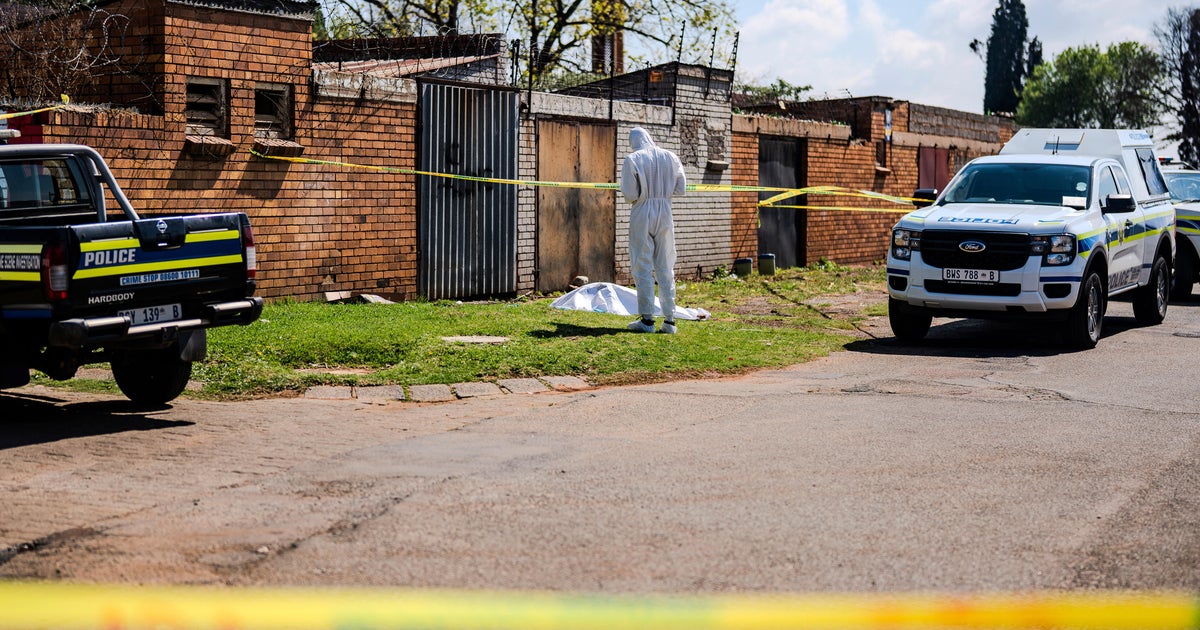
Police at a crime scene in Inanda where a man wanted in connection with killing two police officers was shot dead on Friday. Gun Free South Africa says it is concerned over the recent gun-violence in the country.
Gun Free South Africa (GFSA) says that the presence of a firearm makes incidents of violence more lethal and retaliation easier, and is calling for the police to establish where the guns and ammunition used in crime come from.
Firearms in the hands of criminals have led to several murders in the country, most recently the mass shooting that claimed the lives of 11 people in KwaZulu-Natal on Tuesday. Police say three men shot the 11 at KwaMakhutha, south of Durban. Also on Tuesday, in Durban, gunmen shot and killed two teenagers and wounded three others.
On Friday, police said a man wanted for killing two Crime Intelligence officers was shot dead in Inanda, and five of his accomplices were arrested in various parts of Durban. Spokesperson Colonel Robert Netshiunda said the man had shot at police from inside the house for about three hours before officers shot and killed him.
“Negotiations went on until he released his girlfriend, who was inside the house. A special task force officer was shot in the hand,” he said.
Police were also concerned about the mishandling of firearms by private security companies. Police seized 140 firearms, while a further 135 firearms remained unaccounted for after raiding a private security company in the Eastern Cape on Tuesday.
In a separate matter in Durban, businessman Tariq Downes was granted R5,000 bail by the Durban Magistrate's Court on charges relating to high-calibre firearms. The charge sheet reveals that police seized 29 guns, while 10 were missing and 15 were listed as having been on site at the security company.
Dr Stanley Maphosa, executive director of GFSA, said South Africa is facing a gun violence crisis. According to GFSA estimates from crime data, roughly 30 people are shot dead, and another 43 are shot and survive each day.
Maphosa said those who survive may face disability, lose income, and face years of recovery. He said the reasons people resort to violence vary.
“A dispute between neighbours or families may lead to revenge. Armed robbery, extortion, and competition over criminal markets involve different offenders and motives. Firearms can be used in all of them: to threaten, to enforce demands and to kill,” Maphosa said.
He said police must establish where the guns and ammunition used in the incidents came from.
“That means examining each firearm’s ownership and possession history and testing whether it was used in earlier shootings,” he said.
According to GFSA’s analysis of crime statistics, it looks at attempted murders and firearm use as well as deaths. Maphosa said a person who survives a bullet does not appear in the murder count. “If we judge police work only by murders or arrests, we miss both the harm and the question of whether fewer guns are reaching attackers,” he said.
According to GFSA, police reported that security companies held 126,529 licensed firearms in September 2024. He reported 1,648 company guns lost or stolen in the 2023/2024 financial year. Maphosa said most security officers work lawfully and face genuine danger; they too need employers who account for their weapons.
“Guns can be issued without proper authority, records can fail to reflect where they are, and a security business can be used by someone seeking access to firearms under a lawful-looking cover,” Maphosa warned.
The GFSA was also alarmed at alleged links between criminals, police and security businesses examined by the Madlanga Commission and Parliament’s ad hoc inquiry into allegations of corruption, criminal infiltration, and political interference made by KwaZulu-Natal Police Commissioner Lieutenant-General Nhlanhla Mkhwanazi.
Maphosa and GFSA hoped police traced the whereabouts of 135 firearms which went missing from a security company in Eastern Cape.
“We do not know that those 135 guns are in criminal hands. We need to know where each one is. The Durban allegations about guns seized, missing or recorded at company sites also require a full accounting and a fair court process,” he said
Maphosa said SAPS detectives and crime intelligence must also identify credible threats, retaliation and people supplying guns before another attack occurs.
“Arrests after a shooting matter; prevention requires work before the shots are fired. The central firearms registry must provide accurate records that investigators can use promptly,” Maphosa said.
He said GFSA’s approach to both legal and illegal guns was: recover those held unlawfully and keep lawful stocks from being lost, stolen, misused, or diverted.
“The distinction matters to the law, but a gun can cross from lawful to unlawful possession when control fails,” he said.
The GFSA said police must report what happens after a seizure, where recovered guns were last held, how many missing guns were found, which shootings were linked by ballistics, and whether investigations reached suppliers and resulted in prosecutions.
Maphosa said police should explain how unwanted, unlicensed, and illegally held firearms can be surrendered safely under the applicable process. Maphosa said the Firearms Control Act gives the state powers to control firearms. These results would show whether those powers are being used effectively.
He believed that South Africa had reduced gun deaths in the past through stronger firearm control.
“It can do so again, but the work must be sustained, and its results made public. Communities need safe ways to report threats, protection for witnesses and help to interrupt retaliation. Recovering illegal guns and keeping legally held guns under firm control would reduce the weapons available for robberies, revenge attacks and organised crime,” Maphosa said.
Police crime statistics released in March stated that the total number of firearms destroyed over the past seven years totalled 305,934. The SAPS crime statistics, both annual and quarterly, indicate that firearms are the preferred weapon for criminals.