Hangman was ready in jail, but a noose found Surendra Koli 12 years later
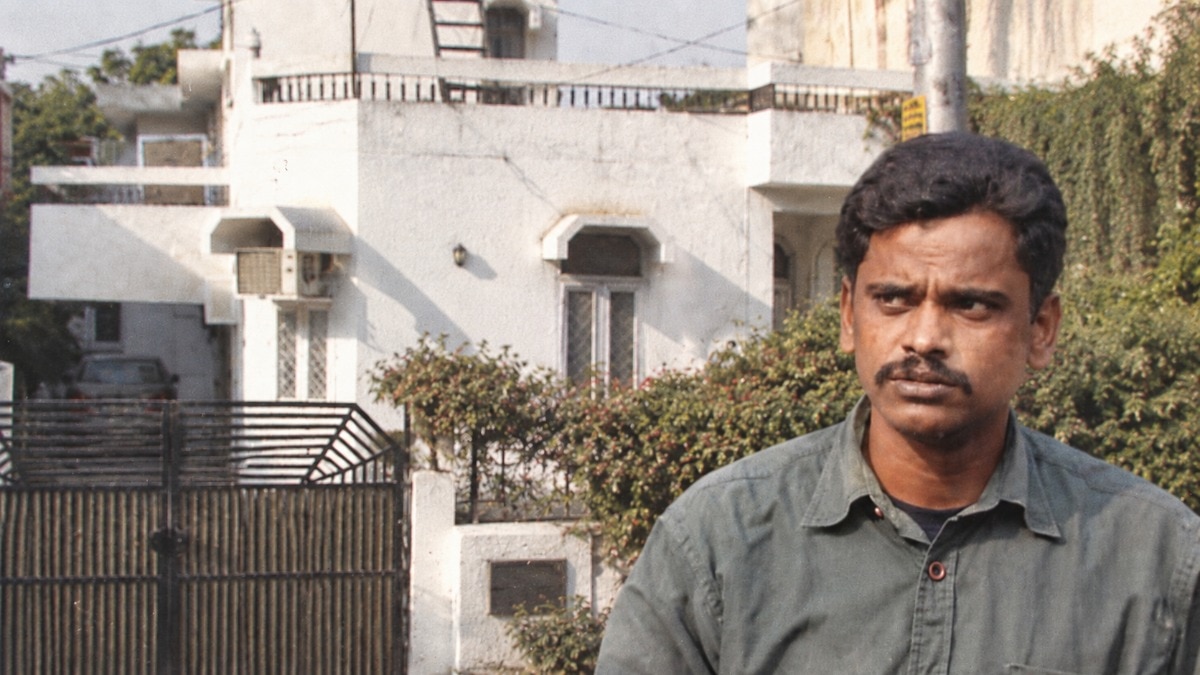
The noose ultimately found Surendra Koli. Not in Meerut jail in 2014, where the hangman prepared and checked its strength, but in Haridwar on Friday, where he was running a tea stall after being cleared of all charges. Convicted earlier in the Nithari killings, Koli was cleared by the Supreme Court in 2025. However, he was dead less than a year of walking free from jail.
Koli's journey from being the caretaker of D-5, a bungalow in Noida's posh Sector 31, to jail and almost the gallows, to a tea stall in Haridwar has all the twists and turns of a Netflix series. The Nithari case did inspire a Netflix series, Sector 36, but it didn't follow Koli to the noose.
The neighbourhood where D-5 is located gets house help from the adjacent Nithari village in Noida's Sector 31. It was the disappearance of children, especially minor girls, in 2005-2006, which was the beginning of the horrors that would end in an unanswered question 20 years on. Who actually killed Nithari's children?
That was after Koli was cleared by the Supreme Court in 2025. The owner of D-5 and co-accused, Moninder Singh Pandher, had been cleared earlier by the Allahabad High Court.
In public perception, Koli was the man who lured minor girls to the bungalow, sexually assaulted and killed them, and disposed of their bodies in the drain. The allegations triggered enormous public outrage, protests and intense media coverage. He became the face of the Nithari horrors before the case began falling apart in court. The charges of paedophilia and necrophilia, which were later junked by the court, added to the gore surrounding the case.
Skeletal remains and clothes of the victims were found from a drain near D-5.
The discoveries in December 2006 turned a series of missing-person complaints into one of India's most sensational criminal investigations. Police lodged 19 FIRs over alleged crimes against 19 girls and women, while the CBI, which subsequently took over the investigation, filed chargesheets in 16 cases. A crowd gathered outside Moninder Singh Pandher's bungalow in Nithari village after bones and other parts of human body were found in a drain. (ITG) HOW SURENDRA KOLI WENT FROM NOIDA'S D-5 BUNGALOW TO DEATH ROW
Koli, who worked as Pandher's domestic help, was arrested along with his employer in December 2006. What followed was a prosecution built substantially around Koli's purported confession and the recovery of human remains from the drain and an open land parcel adjoining D-5.
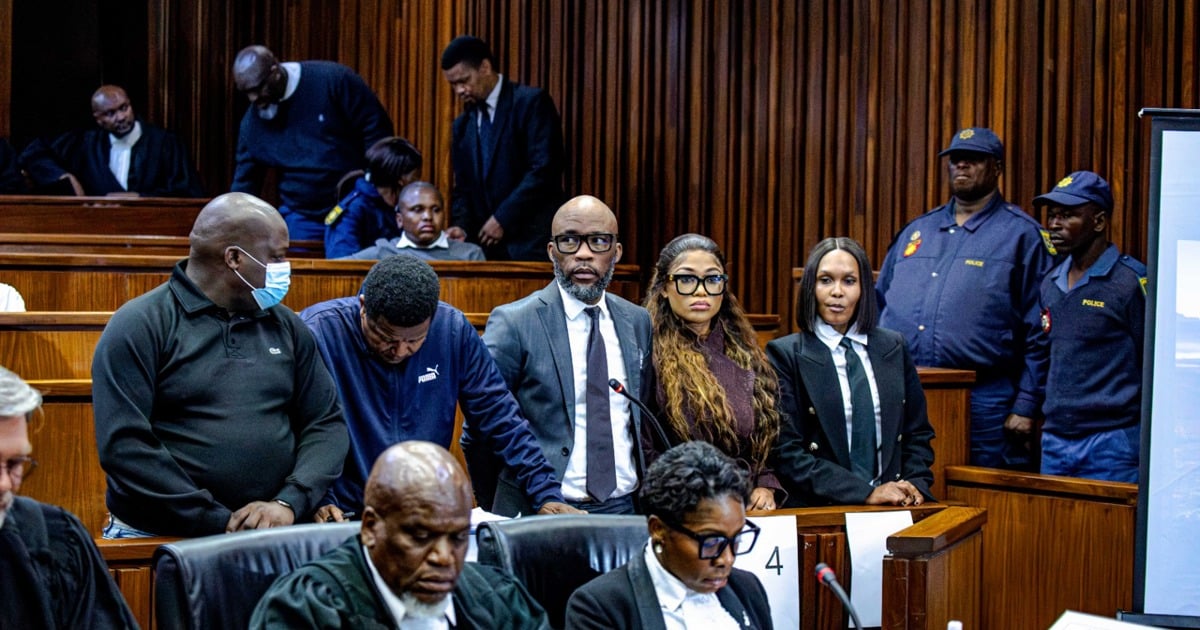
In February 2009, a special CBI court in Ghaziabad convicted Koli and Pandher in the rape and murder of a teenage girl and sentenced both to death. The Allahabad High Court later acquitted Pandher in that case but upheld Koli's conviction. The Supreme Court upheld Koli's death sentence in 2011.
More trials followed. Case after case ended in convictions against Koli until he had been sentenced to death in 13 Nithari cases. For years, the prosecution's account and Koli's confession made him virtually synonymous with the Nithari killings. The 2006 Noida serial murders occurred in the house of businessman Moninder Singh Pandher. (ITG) HOW KOLI ESCAPED THE GALLOWS FOUR HOURS BEFORE HE WAS TO BE HANGED
By September 2014, Koli had exhausted his appeal and review in the first case and his mercy petition had been rejected. He was transferred to Meerut jail, where his execution was scheduled for the morning of September 8. A hangman had been summoned, and the jail was preparing for the hanging.
But late on September 7, Senior Advocate Indira Jaising moved the Supreme Court. An emergency bench of Justices AR Dave and HL Dattu heard the matter at the latter's residence. At around 1 am, only hours before Koli was due to be executed, the court stayed his hanging.
The noose was ready. Koli skipped it. He lived.
In January 2015, the Allahabad High Court commuted (reduction or change of a legal penalty) that death sentence to life imprisonment because of the delay in deciding his mercy petition. But Koli remained behind bars as the other Nithari cases continued through the courts. Police personnel patrol in Noida's Nithari in 2006. (India Today Group) HOW KOLI'S CASE BEGAN FALLING APART
The dramatic reversal came in October 2023. The Allahabad High Court acquitted Koli in 12 cases and Pandher in the cases against him, finding serious flaws in an investigation that had for years been presented as the answer to the Nithari killings. Pandher walked free. Koli did not.
At the heart of the reversal was the evidence that had once appeared to seal Koli's fate. His confession had been recorded after about 60 days of uninterrupted police custody without meaningful legal assistance, Koli's lawyer argued. Koli had also alleged torture and tutoring. Therefore, the High Court found Koli's confession involuntary and unreliable.
The recoveries, too, came under scrutiny. Courts noted problems with linking the recovered remains exclusively to Koli and with the prosecution's account of how the discoveries were made. There were no bloodstains inside the house supporting the prosecution's account of killings and dismemberment there, while the forensic chain itself had significant gaps.
The sensational allegations against Koli had made headlines for years, but the evidence did not hold up in court. Police hold back crowds as human remains are recovered near D-5 in Noida in December 2006. (India Today Group) advertisementONE CASE STILL KEPT SURENDRA KOLI IN JAILBut, Koli stayed incarcerated because of an extraordinary legal anomaly. He had been acquitted in 12 cases, but his conviction in the first case, involving the rape and murder of a 14-year-old teenage girl, still survived.
It was based on substantially the same confession and recovery evidence that had failed judicial scrutiny in the other 12 cases.
The contradiction eventually reached the Supreme Court through a curative petition. On November 11, 2025, a three-judge bench of then-Chief Justice of India BR Gavai and Justices Surya Kant and Vikram Nath set aside Koli's last remaining conviction. The court said two contradictory outcomes based on the same evidence could not legally coexist and described the situation as a "manifest miscarriage of justice".
The Supreme Court ordered his immediate release if he was not wanted in any other case. A day later, on November 12, Koli walked out of Kasna jail in Greater Noida. He had spent nearly 19 years behind bars. Surendra Koli walked free from Kasna jail on November 12, 2025, after nearly 19 years behind bars. (Getty/Hindustan Times/File)
Freedom took Koli far from the D-5 bungalow in Nithari in Noida. Koli eventually surfaced in Haridwar, where police said he had been running a tea stall for several months. In Haridwar, it was an almost anonymous existence for a man whose face had been splashed across television screens and newspapers as the face of one of India's most gruesome crimes.
Then, on Friday, September 18, Koli was found hanging in the tea stall he operated in Haridwar. Police said preliminary evidence suggested suicide, though no suicide note had been recovered, and further examination is underway.
Twenty years after the Nithari killings horrified India, both men were prosecuted as its central accused had been acquitted. Pandher had walked free first. Koli followed in November 2025, only to be found dead less than a year later. The noose that the law had once prepared for Surendra Koli never tightened around his neck. At the same time, Koli's death brings the Nithari episode back to a question that remains unanswered even after two decades of investigations, trials and acquittals.
If Koli did not kill Nithari's children, and Pandher did not either, who did?- EndsPublished By: Sushim MukulPublished On: Sep 18, 2026 17:43 IST