
Heather Scoffield: Interest rates are up and affordability is down. This is what Mark Carney’s second budget must do - Toronto Star
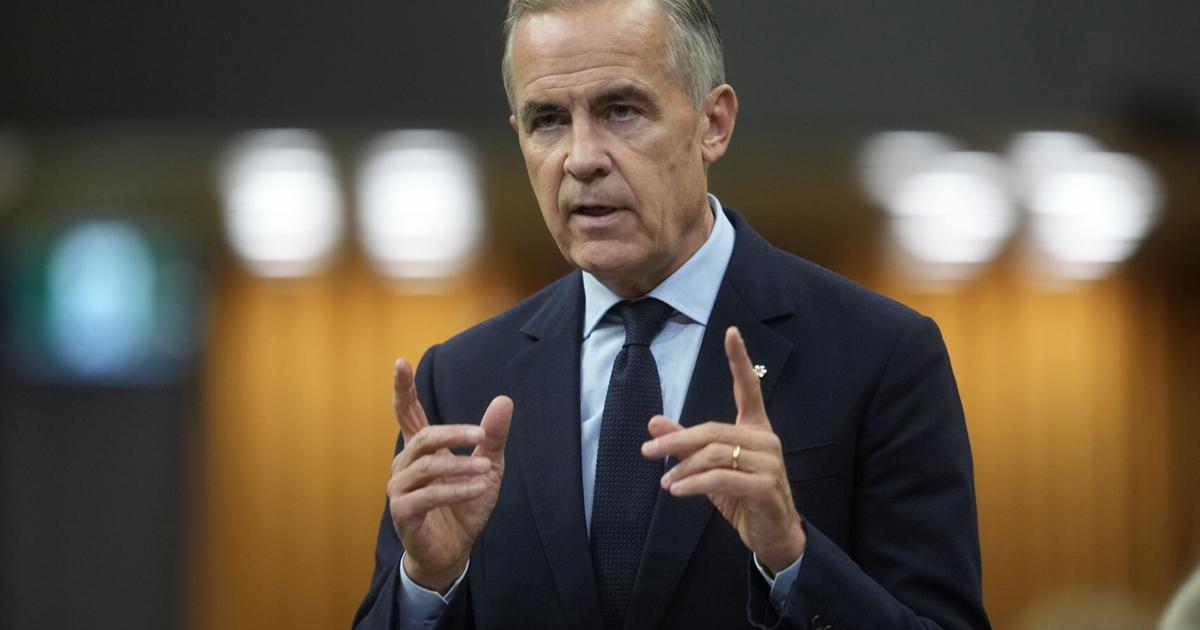
Pressure on low-income families is particularly acute.
Prime Minister Mark Carney’s government will table its second budget this week and the case for helping Canadians is growing, writes Heather Scoffield.
Heather Scoffield is the CEO of the Canadian Tax Observatory, a new research-oriented think-tank. She has been writing about Canadian economic policy for 30 years.
Greenhouse growers know that as electricity prices go, so does the price of cucumbers.
The spillover is almost immediate; the prices rise and fall in tandem.
But that’s not the case for peppers. They take much longer to grow, and the pass-through matches the growing season.
Examine those patterns for different types of energy and an infinite array of goods across the Canadian economy, and you have a very convoluted and ever-changing picture of the relationship between volatile energy markets and bewildered consumers.
Nevertheless, the Bank of Canada took a stand last week. It raised rates for the first time since 2023 in the name of preventing the spillover of high energy prices from turning into an inflation problem.
“Canadians are already paying … more at the pump and we can’t change that,” central bank governor Tiff Macklem explained. “But what we don’t want is we don’t want those higher energy prices to pass through and raise the prices of other goods and services that Canadians are buying. We don’t want them to pay for this twice.”
The thing is, there’s not much Macklem can do. If the goal is to shelter Canadian consumers from the harsh fallout of geopolitical conflicts, he’ll have to hope that this week’s budget helps him out.
Energy prices are high because Donald Trump is still at war with Iran. A rate hike changes nothing there.
Energy prices are volatile because Russia is still at war with Ukraine. A rate hike changes nothing there either.
Canada’s supply chains are rocky and unpredictable because Donald Trump’s trade measures against Canada are rocky and unpredictable. Again, a rate hike seems futile.
And the ability of Canadian consumers, exporters and importers to cushion the blow is tenuous (unless you’re an oil company). The central bank’s economic forecast is only a few days old and already it is out of date, with growth on track for just a 1.3 per cent pace in the third quarter.
“Uncertainty” is the central bank word of the moment.
But there are a few things that are certain.
For one, if you’re struggling with affording the basics and especially if you’re living on a low wage, rising prices hurt you disproportionately more than others. Wages at the low end have not kept up with inflation.
And even if food prices have stabilized for now, as Anthony Musiwa, senior policy adviser for Right to Food told me, the cumulative effect of inadequate incomes since the end of the pandemic means food insecurity continues to mount.
So it makes some sense to fight inflation. If higher prices are in the offing, that bites.
But since low-income Canadians are increasingly stressed out by their exposure to debt, higher interest rates are also really painful. Credit card debt, lines of credit and mortgages are already more expensive to carry.
And rate hikes are meant to stifle the job market, at the very time when jobs are hard to get.
In other words, there is no effective monetary policy response to the domestic fallout of global strife and Trump’s vengeance economy, especially if you’re in a precarious financial situation.
That’s where this week’s federal budget takes on added importance.
Prime Minister Mark Carney’s second budget will build on his first. A year ago, he redesigned the structure of budgeting to allow space for capital spending, aiming to attract $1 trillion in new investment, mainly for infrastructure.
More recently, his government has announced giant tax cuts for business investment, bought stakes in Canada’s AI powerhouse Cohere and committed to massive defence spending. Those are big, expensive moves that are meant to reposition Canada’s economy to be less dependent on U.S. trade, and to generally be more competitive.
But they will take years to deliver dividends to regular people, especially those in a pickle.
Meanwhile, public opinion polling suggests affordability pressures and financial strain are top of mind for many households, rivalling or surpassing Trump as the source of our collective anxiety.
That shouldn’t be a surprise to anyone with an eye on creeping wealth inequality or the precarious labour market outlook.
While the case for central bank tightening is wobbly, the case for fiscal support is clear.
Error! Sorry, there was an error processing your request.
There was a problem with the recaptcha. Please try again.
You may unsubscribe at any time. By signing up, you agree to our terms of use and privacy policy. This site is protected by reCAPTCHA and the Google privacy policy and terms of service apply.
Opinion articles are based on the author’s interpretations and judgments of facts, data and events. More details
Heather Scoffield is the CEO of the Canadian Tax Observatory, a new research-oriented think-tank. She has been writing about Canadian economic policy for 30 years.
