Here's why diesel prices are rising at a faster rate than crude oil - IOL
Global diesel shortages are pushing wholesale prices to record levels, with refinery disruptions adding to pressure on already-tight crude supplies.
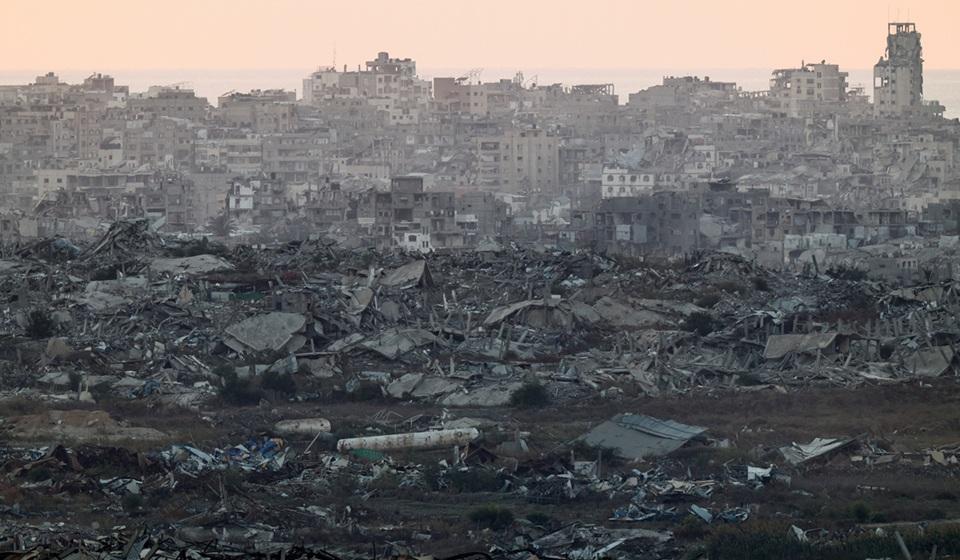
2026 has seen fuel prices spiral as the wars in the Middle East have disrupted crude oil supplies and damaged refineries, creating a shortage of capacity that is increasingly being felt at the pumps.
Diesel prices are hitting fresh records around the world as wars in the Middle East and Ukraine disrupt crude supplies and damage refineries, creating a shortage of refining capacity that is increasingly being felt at the pump.
But diesel prices have have surged at a seemingly higher rate than the crude oil spikes should have suggested, and at a higher rate than petrol prices for that matter. For instance, the wholesale price of 50ppm diesel rose by a hefty R10.95 between March and September 2026, while petrol went up by R6.58 during the same time period.
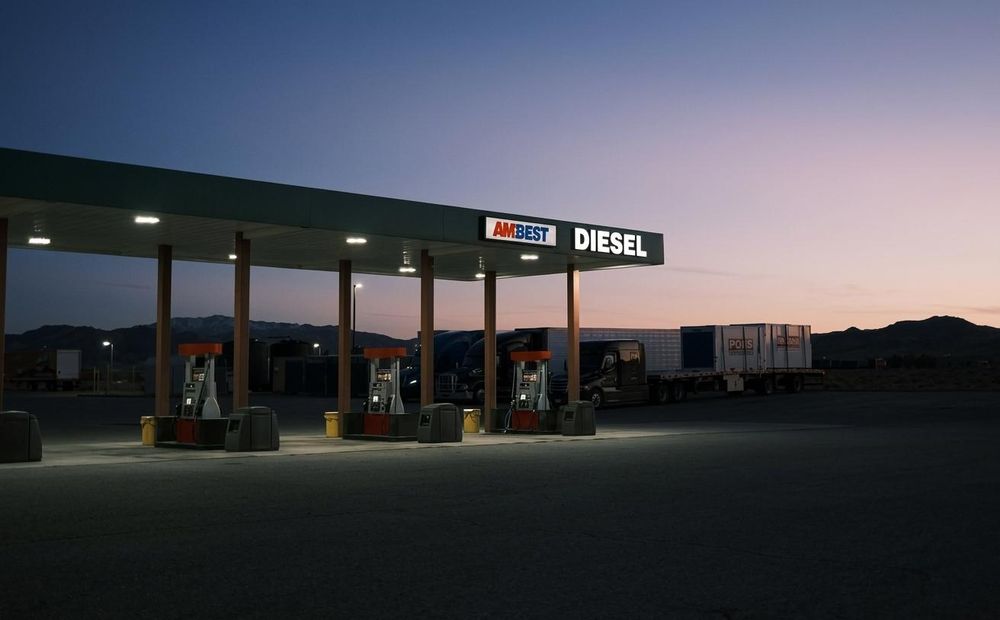
The squeeze is particularly acute for diesel because there are few quick alternatives for industries such as trucking, agriculture, construction and manufacturing.
French officials recently estimated that the global market is short about 10 million barrels of crude oil per day day. That leaves a substantial gap in a market that was consuming roughly 105 million barrels a day before the Middle East conflict started in February.
The initial disruption was particularly severe after Iran blocked the Strait of Hormuz, through which about one fifth of the world's oil supply passes. However, some of the impact was initially absorbed when Saudi Arabia redirected part of its exports towards the Red Sea, while some tankers also resumed using the strait.
However stockpiles have cushioned the global oil market to some degree as many countries entered the crisis with commercial and strategic reserves after production exceeded consumption during 2025, AFP reported.
Demand has also fallen by more than one million barrels a day, according to the International Energy Agency (IEA), with China sharply reducing crude imports and switching to other energy sources. Nonetheless, global oil stocks are estimated to have have fallen by about 507 million barrels since the start of the war.
An increasing pressure point is not necessarily the availability of crude oil, but what happens after it has been extracted.
Diesel prices have reached record levels in both Europe and the United States. The US national average hit $6.52 a gallon (R106) on Monday, equivalent to about R28 a litre. In France, diesel reached a record €2.41 (R45) a litre on Sunday, according to an AFP analysis.
South Africa is also facing record diesel prices from October, with current projections pointing to a wholesale price of R31.80 next month, up from its previous high of R30.62, excluding retail margins. This means diesel would have risen by about R14 since the start of the Middle East war, placing a heavy burden on an economy that is heavily reliant of diesel for commercial transport.
The global diesel price surge reflects a shortage of refined petroleum products and increasingly constrained refinery capacity.
Economist Paul Krugman recently argued that the current energy crisis is increasingly a crisis involving refined petroleum products rather than crude oil itself, AFP reported.
Western countries have banned imports of Russian petroleum products, while Russia has also imposed fuel export restrictions. At the same time, Ukrainian attacks have damaged Russian refineries.
That has left countries that previously relied on Russian supplies competing for alternative sources, elevating prices.
Gulf countries are also major exporters of refined petroleum products, but attacks on refineries and other energy infrastructure in the region have further tightened supplies, according to AFP.
This means that even a rapid return to normal shipping through the Strait of Hormuz would not immediately solve the diesel shortage.
“Diesel prices have risen across all regions because the disruption is global, but Europe is particularly exposed,” said Janiv Shah, vice president at consultancy Rystad Energy.
“There is some unused capacity on paper, but very little that can be activated quickly and supplied with the right crude,” Shah said.
A resumption of oil shipments through the Strait of Hormuz would probably be the quickest way to ease some of the pressure. It would also allow Asian refineries to receive more crude and increase the availability of refined fuels.
But even that would not immediately restore the global diesel market to normal.
Toril Bosoni, head of the IEA's oil industry and markets division, warned last week that if Gulf supplies remain constrained and commercial inventories continue to fall rapidly, higher prices and weaker demand may be needed to close the gap between supply and consumption.
“Diesel demand is relatively insensitive in the short term because trucking, agriculture, construction and industry have few immediate alternatives,” Shah said.
The bottom line is that the global diesel market remains particularly vulnerable while refinery capacity is constrained and geopolitical disruptions continue unabated.