Hidden Danger of Pet Toys Revealed in New Safety Report - Newsweek
Pet toys are designed to keep dogs and cats entertained, but a new report raises concerns that some enrichment products can pose serious risks if swallowed.
The Center for Pet Safety (CPS), a nonprofit consumer advocacy and research organization, released a new report this month finding that pet toys are the leading manufactured product linked to injury and death cases reported to the organization. The report is based on owner complaints, interviews and veterinary records reviewed by CPS.
According to CPS, 83 percent of toy-related complaints it received involved emergency veterinary treatment for gastrointestinal obstructions caused by pets swallowing toy materials or fragments. Approximately one-quarter of those reported cases ended in fatalities caused by complications such as obstruction, perforation or sepsis.
Dr. Holly Dutton, medical director of VEG ER for Pets in Tampa, told Newsweek that the report's core message aligns with what she sees in practice at emergency animal hospitals; however, she cautions against broader interpretations.
"The report is describing cases reported to the Center for Pet Safety, so it doesn't actually tell us toys are the number one cause of injury in pets overall, or that most ER visits and deaths are related to pet toys," she said.
While toys pose a risk to pets, Dutton said they are not the most common cause of injury or death she sees in emergency veterinary settings.
Still, CPS argues the findings highlight a significant safety issue that many owners may overlook.
"Pet toys are a multi-billion-dollar industry with no required testing, recalls, or injury reporting," Lindsey Wolko, founder and CEO of the Center for Pet Safety, said in a press release. "Our review of owner interviews, incident reports, and veterinary records shows a clear and disturbing trend: indigestible toy materials are driving preventable emergencies and fatalities."
While Dutton regularly treats toy-related incidents, she said those cases are only part of the picture.
"Most often, we see swallowed toys or pieces of them," she said. "We also see choking, mouth injuries, and broken teeth from chewing on hard stuff."
Cats can face their own unique hazards.
"With cats, string or ribbon attached to a toy is a real worry if they swallow it," Dutton said. "Some pets come in right after an owner notices something's missing, and others show up later because they're vomiting, won't eat, or just aren't acting like themselves."
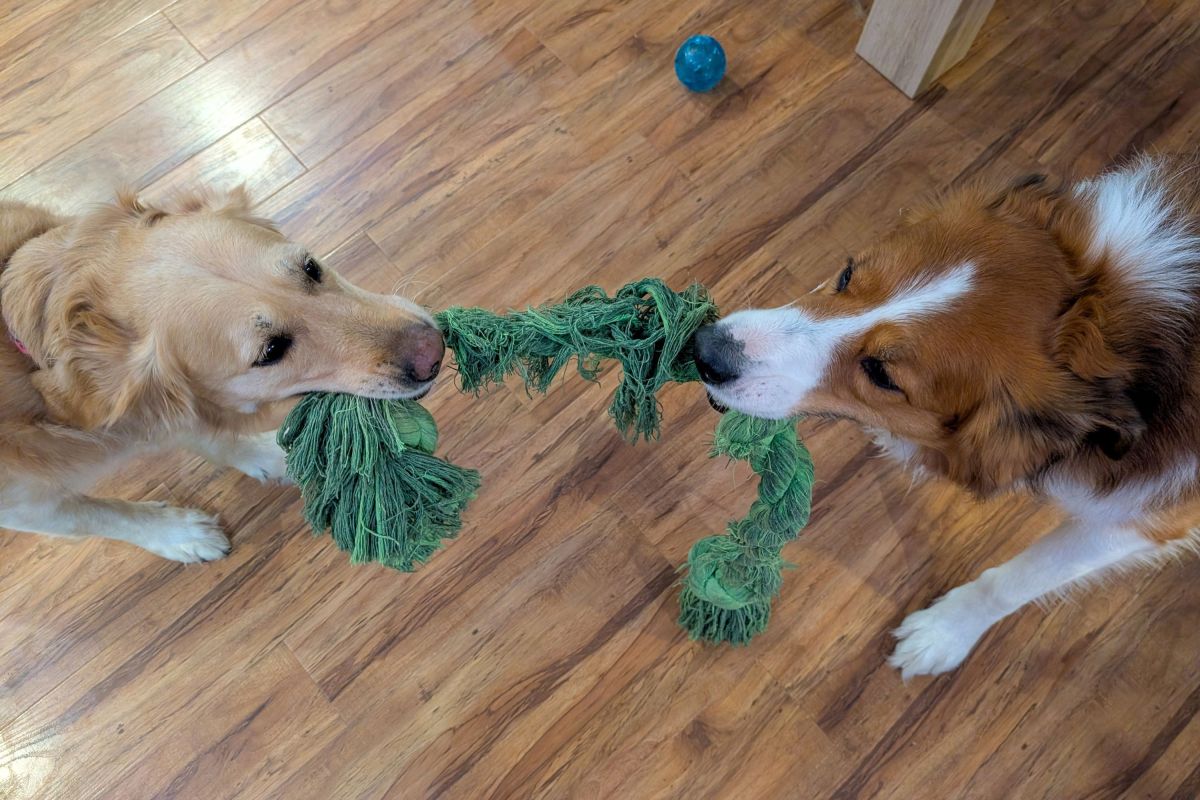
The CPS report identified a variety of materials involved in reported incidents, including rubber, nylon, plastic, latex, silicone, rope, fabric stuffing and wire components. Many cases involved pets swallowing pieces of toys that later became lodged in the digestive tract.
Pet toys face far less oversight than products designed for children, despite being routinely chewed, torn apart and sometimes swallowed by pets, the report noted.
Plus, emergency treatment can also be costly. Owners interviewed by CPS reported spending thousands of dollars on procedures to remove swallowed objects, with some surgeries exceeding $15,000 in complicated cases.
Dutton said a pet's behavior is often a better predictor of risk than breed.
"A dog that shreds toys and swallows the pieces is a completely different risk than one that just carries a stuffed animal around gently," she said. "Puppies and curious pets tend to get into more trouble too."
Some medical conditions can also increase the likelihood of pets ingesting objects they should not. For example, endocrine disease, Dutton said, can increase a pet's appetite, which can lead to more ingestions.
Rather than focusing on breed, Dutton encourages owners to pay attention to how their individual pet interacts with toys.
"The question I'd actually ask an owner is: does your pet play with this toy, or do they try to eat it?" she said.
The CPS report raised concerns about flavored or scented chew toys, products marketed as "indestructible," and toys that combine edible treats with nonedible components.
"For me, the biggest concerns are toys small enough to swallow or choke on, toys that break into pieces, and toys with parts that can come loose, squeakers, stuffing, string, ribbon," Dutton said.
She also advises against particularly hard chew products, such as bones, antlers or hooves, noting the risk of broken teeth and other injuries.
Dutton said owners should remember that a toy's safety can change over time.
"Something that was the right size when you bought it can turn into a swallowing risk once it's worn down," she said.
To reduce the chances of injury, Dutton recommends choosing toys that match a pet's size and chewing style, supervising play sessions, inspecting toys regularly for damage and discarding them once pieces begin coming off.
String toys should also be kept out of reach between supervised play sessions, particularly in homes with cats.
Dutton urges owners to contact a veterinarian immediately if they suspect a pet has swallowed part of a toy, rather than waiting for symptoms to develop.
"The biggest thing is that I don't want the takeaway here to be 'don't give your pet toys,'" Dutton said. "Play and enrichment matter. I'd rather help owners find things that fit their pet's habits, and remind them that no toy stays safe forever. If your pet starts pulling pieces off and swallowing them, that's your sign to take that toy away."
Contact Newsweek editors on this story: Sirena Bergman and Sam Wilson.