Hlabisa: IFP mayors face 100-day performance test if elected - IOL
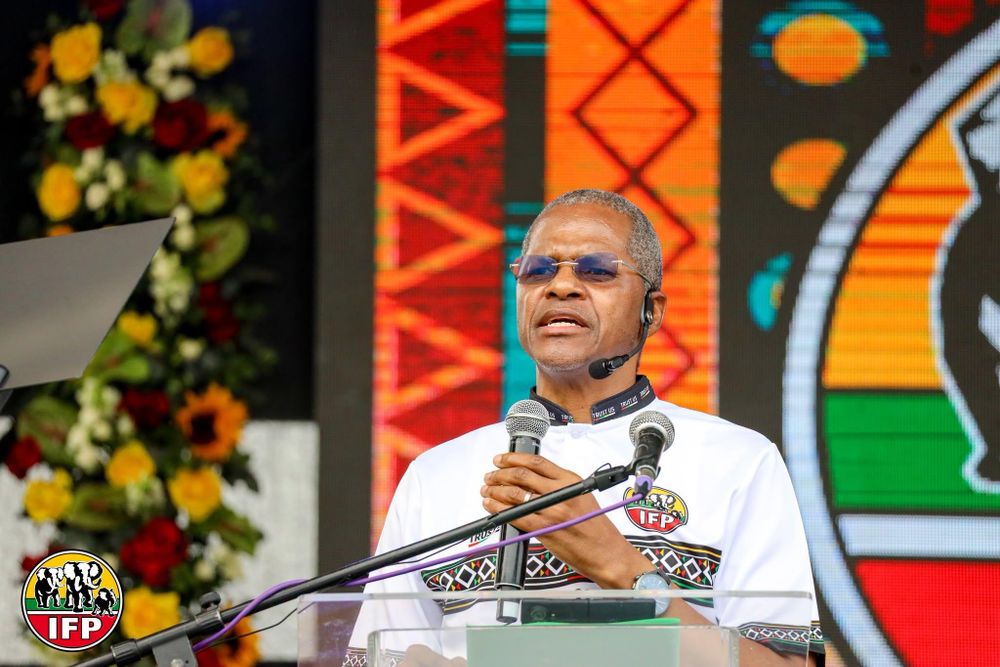
IFP leader Velenkosini Hlabisa says that, if elected, IFP-run municipalities will prioritise basic services and infrastructure maintenance, including fixing potholes, improving water provision and addressing problems before they become crises.
IFP mayors will face a performance assessment within their first 100 days in office, party president Velenkosini Hlabisa says.
He said the party would deploy people it considered competent and capable and would require mayors to set out their priorities for their first 100 days from the day they take office.
Those commitments would then form the basis of the party’s assessment, which would be guided by the five pillars of service delivery contained in the party’s new manifesto.
The IFP unveiled its 2026 local government election manifesto at the Princess Magogo Stadium in KwaMashu over the weekend, reducing its previous 10-point commitment to five priorities.
The commitments focus on creating jobs and growing local economies, delivering basic services and maintaining infrastructure, working with traditional and Khoi-San leadership, fighting corruption and improving financial management, and supporting women, youth and persons with disabilities.
Hlabisa said the party planned to assess those commitments annually and would require its mayors to sign performance contracts once new councils had been established.
“At the beginning of next year, once councils have been established, we will call all our mayors to come and sign the contract,” he said.
Hlabisa said the priorities would differ between municipalities, depending on their challenges, with water and infrastructure among the issues requiring attention.
“Municipalities differ from one another. Some have done very well in terms of electricity, but some are still lacking in terms of water provision,” he said.
The party wanted municipalities to deal with infrastructure problems before they became crises, including setting a timeframe for fixing potholes.
Describing the approach as “maintenance before crisis”, Hlabisa said the party would not immediately prescribe a turnaround time because municipalities needed the capacity to meet such targets.
The party has also assessed the 19 municipalities it governs, as well as municipalities where it leads coalitions, against commitments made in its 2021 manifesto.
The assessment showed progress in areas including electricity, education, water provision and co-operation with traditional leaders, although financial constraints remained a challenge.
Hlabisa pointed to uMhlathuze, Umlalazi and King Cetshwayo district as municipalities that had achieved clean audits, while acknowledging that a clean audit did not automatically translate into service delivery - “but it is the beginning”.
He also cited uMzinyathi district, where he said the IFP had acted on a leadership problem by removing and redeploying the mayor two years ago, and the municipality subsequently adopted a funded budget.
“The moment you adopt a funded budget, it means your commitments are true because you are committing to what you are going to do,” he said.
The IFP was also monitoring municipalities facing challenges with spending Municipal Infrastructure Grant allocations and would provide support with capacity and planning.
Hlabisa said municipalities should not become permanently dependent on water tankers, arguing that greater investment in infrastructure was needed.