How an AI chatbot’s false nuclear warning almost triggered US-China war in West Asia - The Indian Express
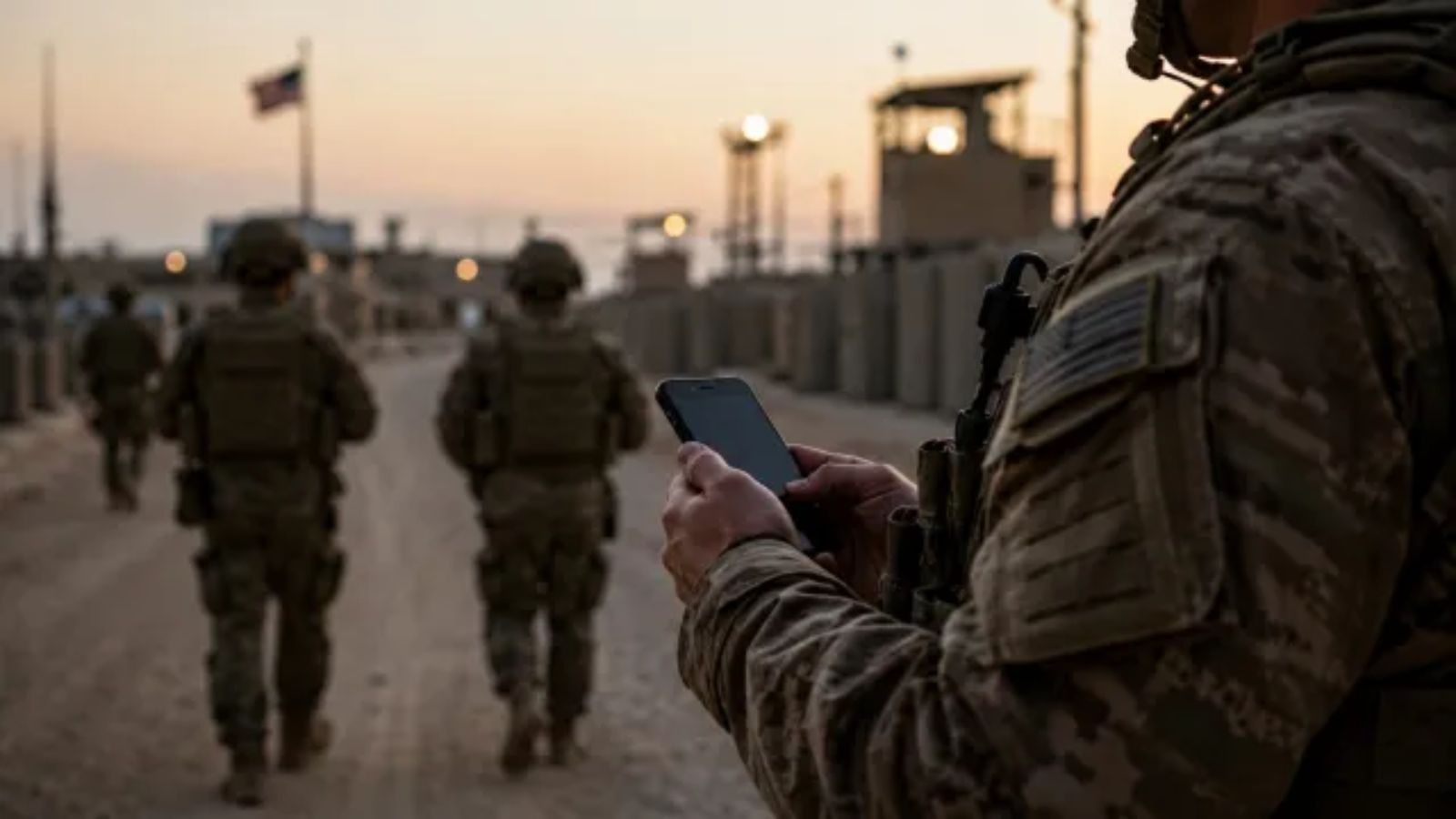
This spring, during the war with Iran, an intelligence report circulated across the US military claiming that a Chinese ship transiting West Asia was carrying components of a nuclear weapons programme. The report immediately set off alarm bells.
Four people familiar with the episode told CNN that the US military quickly prepared to intercept the vessel. Armed service members were preparing to board it, and military aircraft were already in the air. But just before the operation began, officials took a closer look at the intelligence and discovered that it had been generated with the help of an AI chatbot, which had misidentified the ship’s cargo.
One source described the report as “entirely false”. Another source told CNN that it “almost started a war”. The incident raised the possibility of a serious confrontation between the US and China had the military acted on the faulty intelligence.
A Special Operations Command analyst fed information about the ship’s manifest into a chatbot. The underlying intelligence came from US Special Operations Command Pacific in Hawaii. CNN could not determine whether the AI tool was a commercial chatbot or an internal government system.
The analyst fed the chatbot a mix of classified signals intelligence held by the government and open-source information, including details from the ship’s manifest. The AI system incorrectly identified the cargo as components of a nuclear weapons programme. The analyst then used AI again to turn the findings into an intelligence report, which was disseminated through the military.
Neither Special Operations Command Pacific nor the Pentagon responded when CNN asked for comment.
The argument for using AI is straightforward — it could help the military make battlefield decisions faster, from analysing intelligence and targeting operations to handling more routine tasks. US officials also see AI as an area where Washington cannot afford to fall behind countries such as China.
In January, Defence Secretary Pete Hegseth unveiled the Pentagon’s plan to speed up how the military uses AI. He said the goal was to clear away red tape and make sure America leads the way on military AI.
The strategy calls for advanced AI tools to be put directly into the hands of the department’s three million civilian and military personnel, “at all classification levels”.
The US military and intelligence community are taking a decentralised approach to AI, with different systems being deployed under different rules and safeguards. Analysts and officials told CNN there is no single set of guidelines governing how the technology should be used, creating both opportunities for innovation and risks of error.
For weeks, politicians in Washington have been arguing over the bigger risks of AI, after tech leaders in Silicon Valley warned it could one day spiral out of human control altogether. But this episode points to a different danger, one that’s already here. It shows how people can end up making terrible calls based on wrong or misleading information that AI has generated.
One source familiar with current policy admitted there’s little clear guidance on how to stop AI-assisted targeting from leading to civilian deaths or troops mistakenly firing on their own side.
According to one source, this wasn’t a one-off. Similar AI “hallucinations” where the tool confidently produces something completely false have shown up elsewhere across the intelligence community since these tools became common.
Some intelligence officials told CNN that the rapid adoption of AI is putting pressure on analysts to produce and share information faster, potentially increasing the risk of mistakes. Sources also raised concerns about analysts who may rely too heavily on AI-generated answers without sufficiently checking the underlying information.
As one source summed it up, AI simply helps people reach a bad conclusion more quickly.
The Chinese ship episode shows how an AI error can move rapidly from an analyst’s screen into the military decision-making chain. The chatbot did not make the decision to intercept the vessel; humans acted on an intelligence report that AI had helped produce, until more experienced analysts checked the underlying information and caught the mistake.
The Express Global Desk at indianexpress.com which delivers authoritative, verified, and context-driven coverage of key international developments shaping global politics, policy, and migration trends. The desk focuses on stories with direct relevance for Indian and global audiences, combining breaking news with in-depth explainers and analysis. A major focus area of the desk is US immigration and visa policy, including developments related to student visas, work permits, permanent residency pathways, executive actions, and court rulings. The Global Desk also closely tracks Canada’s immigration, visa, and study policies, covering changes to study permits, post-study work options, permanent residence programmes, and regulatory updates affecting migrants and international students. All reporting from the Global Desk adheres to The Indian Express’ editorial standards, relying on official data, government notifications, court documents, and on-record sources. The desk prioritises clarity, accuracy, and accountability, ensuring readers can navigate complex global systems with confidence. Core Team The Express Global Desk is led by a team of experienced journalists and editors with deep expertise in international affairs and migration policy: Aniruddha Dhar – Senior Assistant Editor with extensive experience in global affairs, international politics, and editorial leadership. Nischai Vats – Deputy Copy Editor specialising in US politics, US visa and immigration policy, and policy-driven international coverage. Mashkoora Khan – Sub-editor focusing on global developments, with a strong emphasis on Canada visa, immigration, and study-related policy coverage. ... Read More