How Endemic Wildlife Extinction Risks Swell as El Nino Expands - Tempo.co English
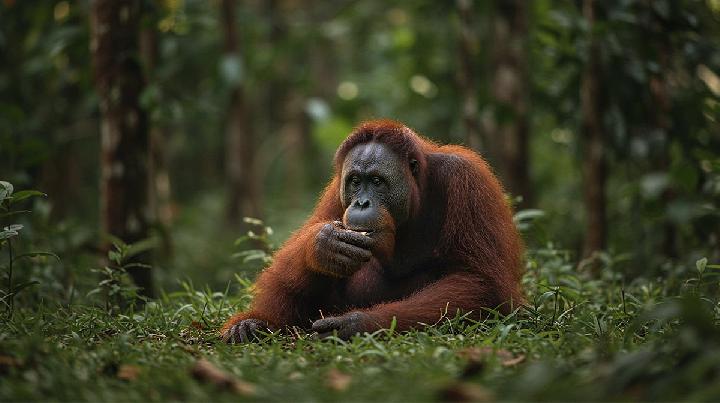
TEMPO.CO, Jakarta - The El Nino phenomenon, which triggers prolonged droughts and extreme dry conditions, poses dangers to endemic and endangered species, putting them at risk of local extinction.
I Wayan Suana, Professor of Animal Ecology at the University of Mataram (Unram), said animals dependent on specific habitats are the most vulnerable.
"For West Nusa Tenggara (NTB), special attention must be given to endemic and endangered species because their populations are already relatively small, so additional pressure from drought can worsen the risk of local extinction," said the biology lecturer on Wednesday.
These animals, he said, have limited ability to adapt to water and food shortages. Fruit- and seed-eating animals, amphibians, and small animals with limited ranges are also among the hardest hit due to limited access to new water and food sources.
To protect these animals, one possible measure is maintaining natural water sources within their habitats. If necessary, additional water sources can be provided on a limited basis and properly managed to prevent excessive wildlife concentrations.
Besides water, protecting vegetation is crucial, especially large trees, food source trees, and trees that provide nesting sites.
Regular monitoring of populations, behavior, food availability, reproduction, and habitat use is also necessary to determine changes in animal conditions during prolonged dry seasons.
"Preventing forest and land fires is critical. During prolonged dry seasons, dry vegetation increases the risk of fires, which can cause habitat loss in a very short time," said Suana.
Furthermore, he emphasized community involvement to maintain the survival of animals and ecosystems, as conservation cannot be achieved solely within conservation areas.
Buffer habitats, ecological corridors, and areas outside conservation areas must also be maintained. Healthy forests with diverse vegetation, sufficient food sources, water sources, and habitat connectivity provide a greater opportunity for animals to adapt to El Nino and climate change.
Based on previous reports, the Meteorology, Climatology, and Geophysics Agency (BMKG) stated that the dry season in the NTB region is likely to last until the end of November 2026.
NTB Climatology Station forecaster Suci Agustiarini stated that the rainy season, which usually occurs in November, is expected to be delayed until December due to the influence of a very strong El Nino, with an index reaching +2.74 degrees Celsius.