How Kaduna raked in N220bn tax through dialogue — Finance commissioner

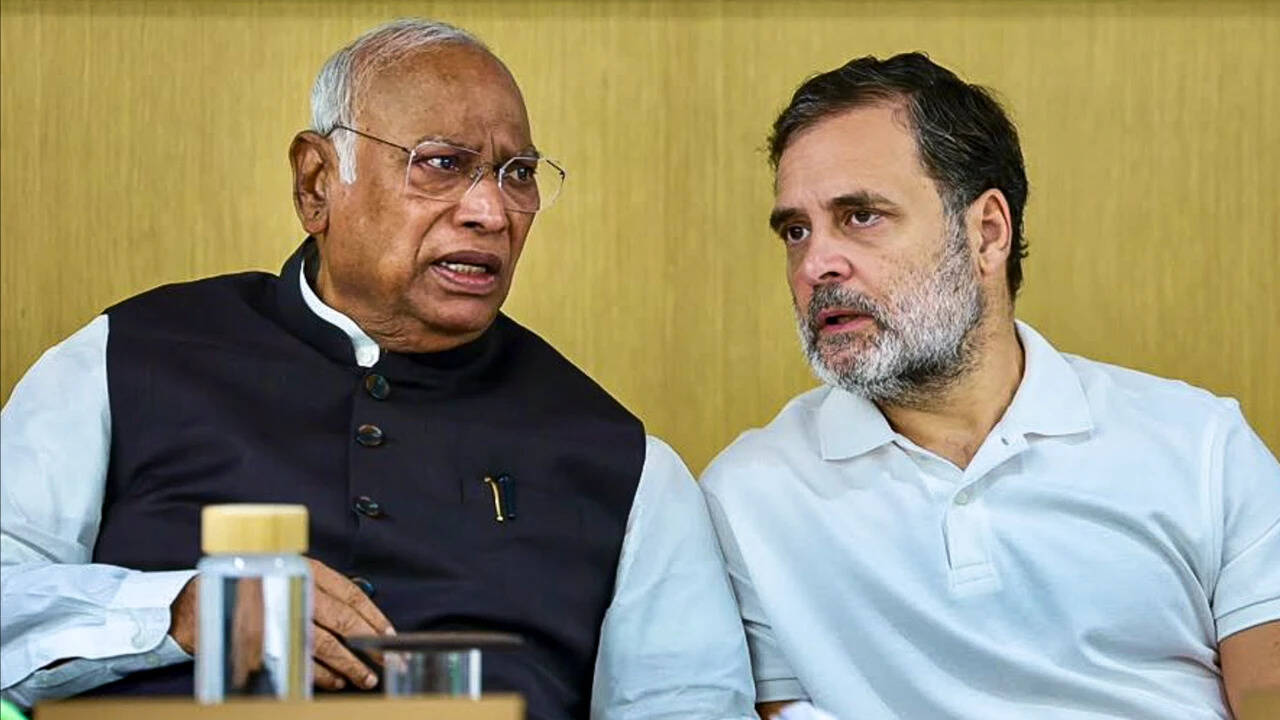
Panelists discussion at the North-West Zonal Stakeholders’ Engagement Meeting in Kaduna on Tuesday...Photo Credit: Godwin Isenyo
The Kaduna State Government says it generated about ₦220bn in tax revenue between 2023 and 2025 without resorting to “brutal enforcement” against taxpayers. The Commissioner for Finance, Mohammed Ibrahim Tanko, disclosed this on Tuesday while representing Governor Uba Sani at the North-West Zonal Stakeholders’ Engagement Meeting on “Promoting Fairness in Tax and Revenue Administration”, organised by the Office of the Tax Ombud in Kaduna. Tanko said the North-West geopolitical zone generated about ₦916bn in tax revenue during the period, with Kaduna accounting for about ₦220bn. He attributed the revenue performance to sustained engagement with taxpayers, businesses and other stakeholders, which he said encouraged voluntary compliance. “We have done that without unnecessary and brutal follow-up to people. We were able to achieve this through detailed stakeholder engagement that led to voluntary compliance by our people. “It is a clear and significant indication that you can generate enough revenue that you require without necessarily doing any brutal enforcement. “If you insist and continue to encourage stakeholder engagement, you will be able to get much more voluntary compliance from people,” Tanko said. The commissioner called on the Office of the Tax Ombud to establish a zonal office in Kaduna to serve taxpayers and revenue authorities across the North-West.See more Punch stories on Google.Add Punch on Google He said the presence of the Ombud’s office in the state would deepen dialogue among government, businesses, professionals and other stakeholders and improve tax administration. Tanko further said the Kaduna State Government had changed the manner in which internally generated revenue was deployed, with greater emphasis on infrastructure and other development projects. He said taxpayers should be able to see tangible benefits from the taxes they paid. “When this administration came, it was not sure whether the taxpayers would be happy to pay their taxes only for these taxes to be utilised to pay civil servants. “The governor decided to change the programme so that the revenues collected in the state would be used for infrastructure that would stand the test of time,” he said. Speaking at the event, the Chief Executive Officer of the Office of the Tax Ombud, Dr John Nwabueze, said the theme underscored the need for a balanced relationship between taxpayers and revenue authorities. Nwabueze said the agency was established as an independent, impartial and non-judicial institution to address complaints arising from taxes, levies, regulatory fees and charges, customs, excise and duties. Tax Ombud not for evading lawful payments — Chief executive CAN alleges depopulation plot Miva Open University inaugurates Kaduna study centre He said the office was principally concerned with operational, procedural and administrative issues in tax and revenue administration. Nwabueze said the agency had introduced a digital complaint portal, case management system, toll-free call centre and other platforms to make it easier for taxpayers to seek redress. “Our services are free of charge to taxpayers. Additionally, the law allows the Tax Ombud to institute a lawsuit on behalf of the taxpayer. That service is also free of charge to taxpayers,” he said. The Tax Ombud boss, however, cautioned taxpayers against viewing the agency as an avenue for escaping legitimate tax obligations. He said, “The Tax Ombud is not a mechanism for cancelling legitimate tax liabilities merely because the taxpayer does not wish to pay. “We do not make tax policy. We do not encourage non-compliance. We do not shield taxpayers from their lawful obligations, and we are certainly not the courts.” He urged tax authorities to ensure that revenue collection was carried out transparently and in accordance with due process, while taxpayers should also fulfil their lawful obligations. Nwabueze also disclosed that the agency took its taxpayer-awareness campaign to the streets of Kaduna on Monday, where its officials sensitised business owners and other taxpayers on their rights and responsibilities. He commended the Kaduna State Government, the Nigeria Police Force, the Federal Road Safety Corps and other security agencies for supporting the roadshow. The Acting Chairman of the Kaduna State Internal Revenue Service, Dr Mohammed Lawal, said the establishment of the Tax Ombud had provided a “middle ground” for resolving disputes between taxpayers and revenue authorities. Lawal said disputes had often ended in enforcement or litigation because taxpayers and revenue authorities lacked adequate alternative channels for resolving disagreements. “Many a time, when you have disputes with taxpayers, the channels for settlement or arbitration are not there. It is either enforcement or you go to court. “But now we are happy to have a middle ground where we can sit with taxpayers and resolve discrepancies,” he said. Godwin Isenyo
All rights reserved. This material, and other digital content on this website, may not be reproduced, published, broadcast, rewritten or redistributed in whole or in part without prior express written permission from PUNCH.
Stay informed and ahead of the curve! Follow The Punch Newspaper on WhatsApp for real-time updates, breaking news, and exclusive content. Don't miss a headline – join now!
Stay in the know—fast. Get instant alerts, breaking headlines, and exclusive stories with the Punch News App. Download now and never miss a beat.