
Hungary to open Communist-era informer files - Bangkok Post
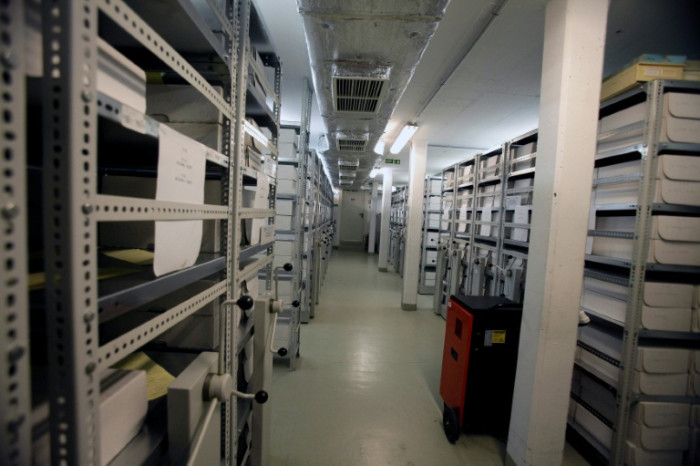
A digitalised, searchable database on informants is set to become available on Wednesday morning. (Photo: AFP) BUDAPEST — Hungary is scheduled to release communist-era secret police files Wednesday, identifying tens of thousands of former informants in a long-delayed reckoning with the central European country's repressive past.
Since Hungary's democratic transition in 1990, efforts to fully open the communist-era archives had repeatedly stalled, with critics blaming successive governments' reluctance to potentially implicate public figures across the political spectrum.
Prime Minister Peter Magyar, a political newcomer who ousted nationalist long-time premier Viktor Orban in the April election on the promise of "regime change", spearheaded the adoption of a bill in September that grants the public unrestricted access to the records for the first time.
Ahead of the vote, Orban denied resurfaced claims that he was an informant, sharing documents on Facebook showing a failed attempt to recruit him during his military service in the 1980s.
A digitalised, searchable database containing names and records related to an estimated 50,000 to 60,000 former informants is set to become available on a dedicated website on Wednesday morning.
"Better late than never. We are getting access to much more information than before about who the authorities have recruited and how the security apparatus worked back then," historian Laszlo Eorsi from the 1956 Institute Foundation told Agence France-Presse (AFP).
A second batch of files, giving more details on about 9,000 of the informants, would be made available in February.
Some personal information, including details on individuals' sexual orientation, will be redacted.
Hungary was under one-party communist rule between 1949 and 1989 that repressed dissent.
Much like in East Germany and other parts of the Soviet-led Eastern Bloc during the Cold War, authorities employed an extensive network of informants to monitor public sentiment.
Individuals were often recruited through coercion and were tasked with reporting on colleagues, friends and even relatives for signs of disloyalty towards the regime.
Secret police employed a total of 150,000 informants during these four decades, according to estimates from the state security archives, but records survive for only around a third of them.
Many files are believed to have been destroyed during the 1956 anti-Soviet uprising, or hidden during the months-long peaceful transition to democracy.
Debates over opening the archives have dogged Hungarian politics since the fall of communism.
In 2002, weeks after his inauguration as prime minister, socialist politician Peter Medgyessy was embroiled in a scandal after it was revealed that he had worked as a secret agent during the communist era.
The case prompted fresh calls for transparency, with parliament adopting a law in 2003, which allowed individuals who had been monitored to learn who had reported on them.
However, broader access remained restricted to researchers, who had to gain permission from the state security archives until the latest reform.
Historians have cautioned against judging anyone just because their names are on the list of informants.
"I know of quite a few examples when someone was recruited, but they did not make a report, but in fact took a huge risk by turning against the authorities. Some even could be considered proper heroes," Eorsi stressed.
He predicted the release would trigger both public and private revelations.
"This could cause some hysteria in the coming months," he said, adding the release of the second batch of files should help to clear up some misunderstandings.


