Huwitt Strydom puts a Rooibos spin on a Cape Malay favourite
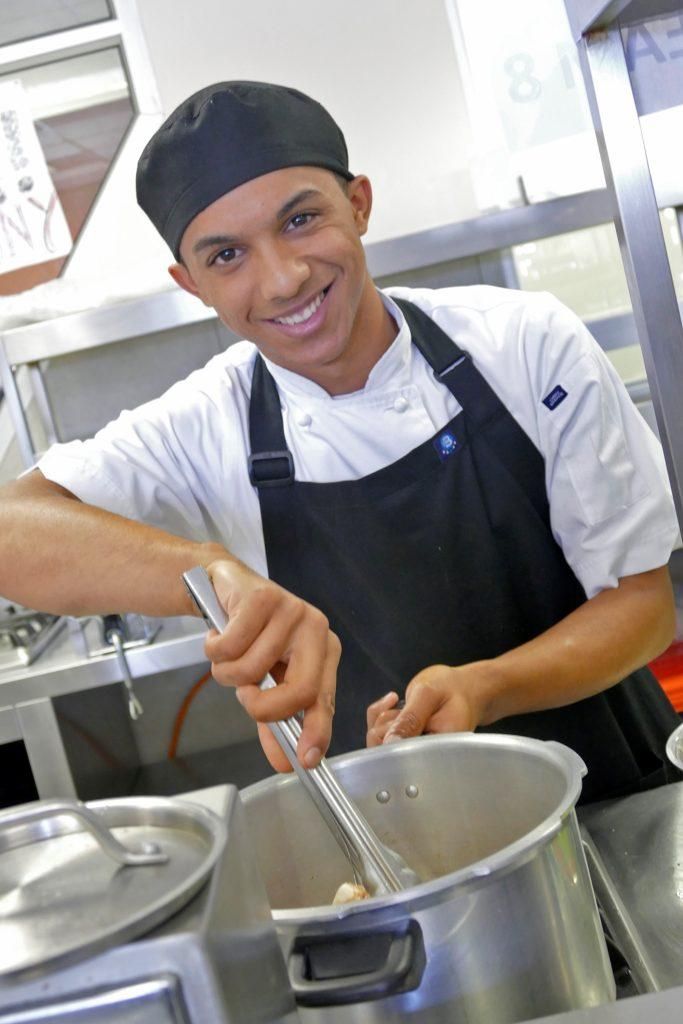
Huwitt Strydom was the winner of the 2026 World Koesister competition.
For 24-year-old Cape Town chef Huwitt Strydom, the koesister is more than a pastry. Growing up in Kraaifontein he was familiar with the spiced, syrup-coated treat as part of the food culture around him. Now, Strydom is giving the traditional favourite a new expression by pairing it with Rooibos.
Strydom was named the winner of the 2026 World Koesister Day Competition, held on September 6 at Makers Landing at the V&A Waterfront. This year, contestants were challenged to reinterpret the traditional Cape Malay koesister using rooibos as the heritage ingredient.
“I was honestly shocked and very excited. I felt proud that my idea had connected with people,” Strydom said.
The competition follows the use of spekboom in the previous year and encourages young culinary talent to explore South African ingredients while keeping the character of the koesister at the centre.
For Strydom, the competition was also personal. “Growing up in Scottsdene, Kraaifontein, koesisters were part of the food and culture around me. For me, they represent home, family and sharing,” he said.
The koesister is often confused with the similarly named koeksister, but the two pastries are different. A koesister is a soft, spiced, doughnut-like pastry associated with Cape Malay cooking. It is fried, dipped in syrup and traditionally coated with coconut, while a koeksister is a plaited pastry with a crisp texture that is soaked in syrup.
The winning dish, Rooibos heritage koesisters.
Mark Jacobs, creator of World Koesister Day, said Rooibos was a natural progression after spekboom was introduced as the previous year’s competition ingredient.
“Rooibos is proudly South African, internationally recognised and already familiar in our homes,” Jacobs said. “We wanted contestants to use it creatively while still respecting the traditional taste and character of the Cape koesister.”
Jacobs said World Koesister Day was created to celebrate the Malay community, its recipes and the stories that have kept the koesister alive, while also giving young participants opportunities to develop their culinary and entrepreneurial skills.
“Heritage food does not have to remain in the past,” he said. “It can be respected, developed and presented in new ways.”
That balance was central to Strydom’s approach. After studying at Capsicum Culinary Studio and working in kitchens in Cape Town and France, he said his
experiences had shaped how he approaches South African food.
For him, reinterpreting a traditional dish begins with understanding it before making changes.
“I don’t want to change tradition just for the sake of being different. I want to respect its history and then add my own story, creativity and technique,” he said.
Working with Rooibos presented its own challenge. Strydom said he experimented with the ingredient until he found a balance that allowed it to complement the spices and sweetness of the koesister without overpowering them.
“I hope people taste something familiar but experience it in a new way. I want them to feel proud of South African food and see how much potential our traditional dishes and ingredients have,” he said.
For Strydom, that is also the role of young chefs in carrying South African food heritage forward.
“I would say learn where your food comes from and be proud of it. Respect the traditional recipes and the people who came before us, but don’t be afraid to be creative,” he said.