Hyderabad doctor brings down rare disease drug cost by ₹6.5 lakh; seven children to get free treatment

You don’t have any Active Subscription.
Account subscription benefits alongside Premium Stories, Editorials, Opinions and more. Unlock these with Subscription
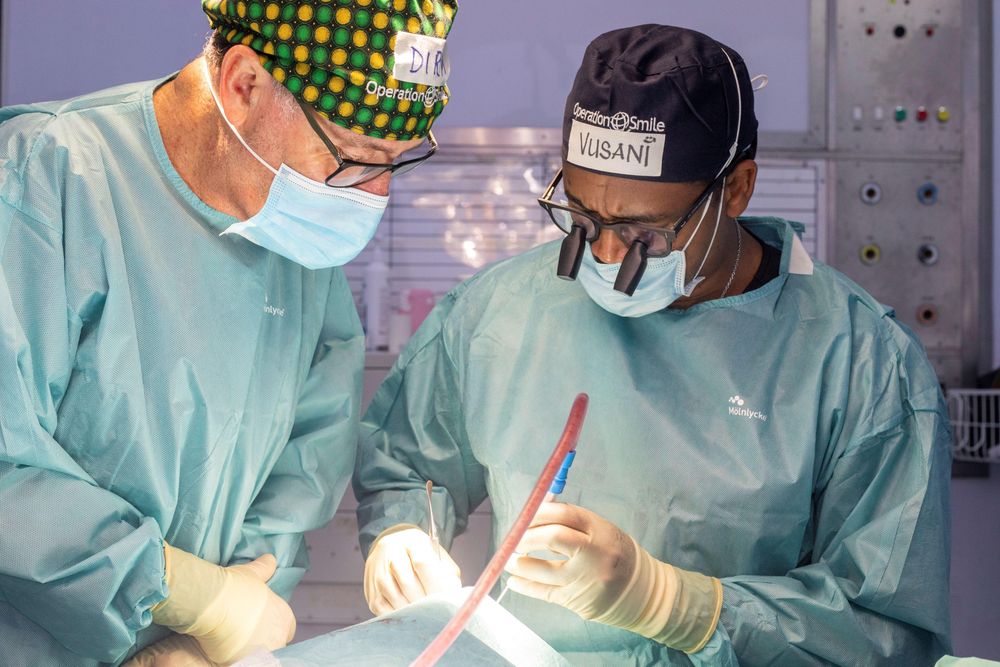
The was initiative led by Hyderabad-based paediatrician Dr. Sivaranjani Santosh and Access to Medicines India. | Photo Credit: Special Arrangement
Imagine having a medicine that could help manage your child’s rare genetic condition, but being unable to afford it because a year’s treatment costs as much as ₹9 crore. For seven families in India, that situation could soon change.
Seven children diagnosed with Allan-Herndon-Dudley syndrome (AHDS), a rare genetic disorder, are set to receive a year’s supply of the medicine tiratricol free of cost on November 30, following an initiative led by Hyderabad-based paediatrician Dr Sivaranjani Santosh and Access to Medicines India.
The development is significant not just because the families will receive the medicine without paying for it, but also because its cost has been brought down through pharmaceutical compounding in the Netherlands. While the commercial version of the drug costs approximately ₹4.68 crore to ₹9 crore per child annually, the compounded formulation is estimated to cost just ₹2.5 lakh per child for a year.
The medicine has been prepared by Transvaal Pharmacy in The Hague, Netherlands, with support from the Netherlands-based Pharmaceutical Accountability Foundation (PAF). The first batch will be handed over to the parents of the seven children along with the necessary documentation and individual import permissions. The families have secured approvals for one year of treatment. As the compounded medicine has a shelf life of six months, it will be imported in two batches.
The initiative began after Arav, a child under the care of Dr. Sivaranjani, was diagnosed with AHDS, also known as MCT8 deficiency. The condition is caused by mutations affecting the MCT8 gene, which plays an important role in transporting thyroid hormones into brain cells. Tiratricol, also known as TRIAC, acts on thyroid hormone receptors and may help overcome some effects of the deficiency. It also helps minimise complications associated with peripheral thyrotoxicosis.
Although the medicine was available in Europe, its commercial price put it beyond the reach of most Indian families. Arav’s mother, Pavitra Sirolkar, had to arrange approximately ₹12 lakh to ₹13 lakh for just one month’s supply of the medicine from Germany. Dr Sivaranjani initially approached paediatricians, endocrinologists and paediatric neurologists to explore ways of procuring the drug. Doctors at Christian Medical College (CMC), Vellore, where five other children with the same condition had been identified, were also approached.
Attempts to obtain the medicine through pharmaceutical company Egetis Therapeutics and its compassionate-use programme did not succeed. The situation eventually prompted Dr Sivaranjani to take the issue to social media. On September 7, she posted an appeal seeking help for the family and urged people to tag the Prime Minister, Union Health Minister and other government representatives. The appeal gained attention, bringing it to the notice of PAF.
The foundation subsequently explored the possibility of preparing the medicine through pharmaceutical compounding using the active pharmaceutical ingredient. Transvaal Pharmacy conducted test batches and developed a formulation for the seven children. The initial group included Arav and five children receiving treatment at CMC Vellore. A seventh child, aged one year, was identified after his father contacted Dr Sivaranjani following her social media appeal.
According to PAF, the total cost of providing one year’s treatment to all seven children is €14,200, approximately ₹15.08 lakh. Of this, Dr Sivaranjani raised approximately ₹6.09 lakh in India, while PAF undertook to raise the remaining €8,600, approximately ₹9.13 lakh, in the Netherlands. The medicine will be provided to all seven families free of cost.
While the November 30 handover addresses the immediate treatment requirements of the seven children, Dr Sivaranjani believes that importing the medicine cannot be a permanent solution. She plans to approach the Union government and work with Access to Medicines India and other organisations to explore the possibility of getting the medicine compounded in India and making it accessible to more children.
“How can a medicine be available in the world but not be available for our children? We should get the medicine compounded in India and make it available for all the children with this condition,” she said.
Comments have to be in English, and in full sentences. They cannot be abusive or personal. Please abide by our community guidelines for posting your comments.
We have migrated to a new commenting platform. If you are already a registered user of The Hindu and logged in, you may continue to engage with our articles. If you do not have an account please register and login to post comments. Users can access their older comments by logging into their accounts on Vuukle.