I Hid My Eating Disorder for 6 Years. Being a Man Made It Easy - Newsweek
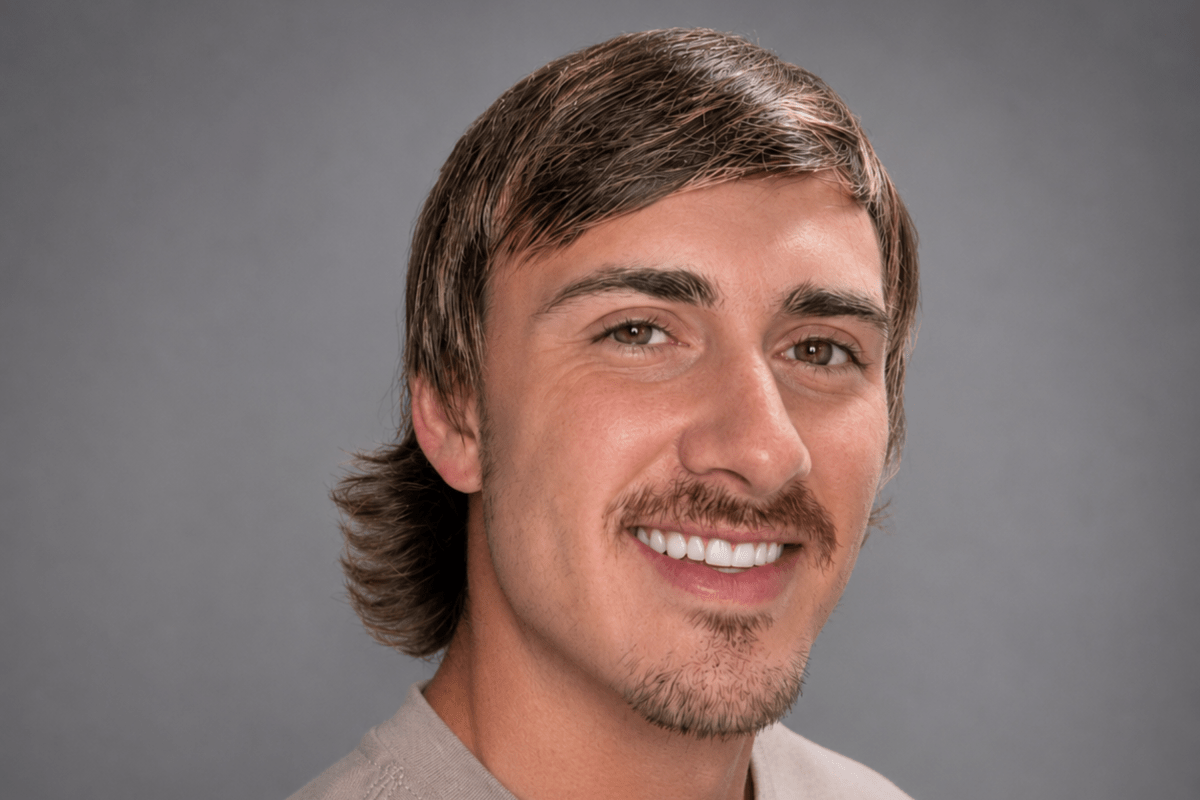
I am recovering from an eating disorder and for years, my symptoms went completely unnoticed.
I'm 6 foot 5 and had been active for most of my life, but as my illness progressed, the warning signs began to change.
There were things about being a man that made what was happening to me very easy to explain away, too. If I was thin, that was just my build. If I ate a lot without gaining weight, it was my high metabolism. If I was constantly exercising, it was because I was a runner. And if I had unusual eating habits, well, that's just what men do, right?
Through years of anorexia and bulimia, the warning signs should have been sirens, but I spent years around incredibly close friends, colleagues and family without them ever putting the pieces together.
For the first several months, I began restricting food intake through some highly restrictive forms of the keto diet. At the time, I was a fairly serious runner, and there was really no good reason for me to be following that diet at 23. But I don't remember anyone ever seriously questioning what I ate or why. Looking back, I think that's often the reality for men.
Because, when we think about eating disorders, we still often only picture women. Of course, women carry the major burden of this illness, but men struggle with eating disorders too. We just don't always recognize what that struggle looks like.
In my experience, my food intake was rarely scrutinized. I could engage in an active binge in front of groups of people—and I did thousands of times—and it was never met with an accusation or even a shred of judgment. Across work, school, and social settings, I became the person who could eat whatever he wanted and experience zero consequences from it. People would usually comment on it as a joke or because they were impressed, never because they thought I might have an eating disorder.
I progressed into severe anorexia rather quickly, and I stayed at that same extreme for the next five and half years.
I can think of only three people in total who actually knew what was going on with me at the time. Despite feeling more alone than ever, I never attempted recovery once.
During graduate school, I would go months without even thinking about the word eating disorder. I would go through the daily motions of it, and it became the new normal. Only having enough energy to get through the bare minimum became normal. Waiting for the health consequences to go away or lessen became normal. Measuring my life in years instead of decades became normal. After years of malnutrition, life doesn’t feel guaranteed. Walking along a tight rope and waiting for yourself to fall off feels normal. My eating disorder could coexist with a fairly normal life for a while.
What threatened that normality was wanting the things most people want: meaningful relationships, new experiences and a career. After earning my Master's in Public Administration, I moved from Wyoming to Kansas City to pursue opportunities that weren't available back home. But looking back, I'd be lying if I said that move didn't also help protect the eating disorder. It put hundreds of miles between me and the one person who saw through it all: my grandmother. She was the only person in my life who consistently recognized the warning signs and didn't accept my excuses.
In the end, it was my relationship that highlighted the red flags I couldn't hide anymore. My girlfriend didn't know about my eating disorder until I was already 30 days into recovery.
Before we moved in together, I'd spent four years living alone, with complete privacy to hide the ugliest parts of the illness. Even after moving in together, the warning signs were there—my low weight, disappearing after meals, eating heavily at night while barely eating during the day. But, like so many others, she accepted the explanations I had ready. I could always point to being a man, or to habits and traits that seemed normal in my family, and avoid difficult questions.
Eventually, there was no way to shrink my disorder enough to make room for the things I wanted, so I kept trying to reshape my life around it instead. Over time, that became emotionally exhausting and physically draining. During the final eight months of the disorder, I felt myself slipping. It was as though a fog had settled over my mind and grown thicker every day. The physical effects left me depleted, and I was losing the ability to show up fully in my career and my relationship.
The things that ultimately ended the eating disorder were the same things I'd spent six years fighting to build alongside it: a career, the chance to do meaningful work and a future with someone I loved.
I never planned to start recovery. One evening, I was lying on the couch watching videos of Kelsey Pfendler rowing across the Pacific to Hawaii. I'd been following her journey for weeks, and on that random Tuesday night, I found myself wishing I had even a fraction of the strength she seemed to possess. It was one of those genuine "aha" moments you read about but never expect to experience yourself.
I opened my Outlook calendar and typed a note for 8:30 the next morning: "Maybe today is the day." And somehow, it was.
For any men who are resonating with my experience, I want you to know that this disorder thrives in isolation. You don’t have to tell the whole world. Sometimes it starts with just one person, and it may be the person you’ve told yourself will think differently of you if they know. Judgment is not lurking around the corner for you though, support is.
You’re not less of a man because of this, you’re a stronger one because you’ve survived it.
Trevor Parker is an education coordinator for Violence Prevention Programs in Kansas City. He lives with his girlfriend Maryanne Korte, and has started documenting his eating disorder recovery journey on Instagram (@trevvvs.photo) for other men who may be struggling.
The National Alliance for Eating Disorders offers a free, confidential helpline providing support, guidance, and referrals for individuals affected by eating disorders and their loved ones. Call 1-866-662-1235.
Contact Newsweek editors on this story: Kara Dolman and Tony Phillips.
/file/attachments/orphans/Gathering-Cities2_706698.jpg)