I stay in luxury hotels at bargain prices and you can too
You have reached your maximum number of saved items.
Remove items from your saved list to add more.
What if I told you I was sipping a free cocktail in a hotel bar in Hanoi, fresh off a free manicure and a facial I’d booked at 25 per cent off? The three-night stay itself cost me $328, and not because the room is normally wildly cheap. The same room type is typically about $189 a night but I booked it through a platform loyalty program during a low-demand window, stacking member discounts on top of seasonal pricing.
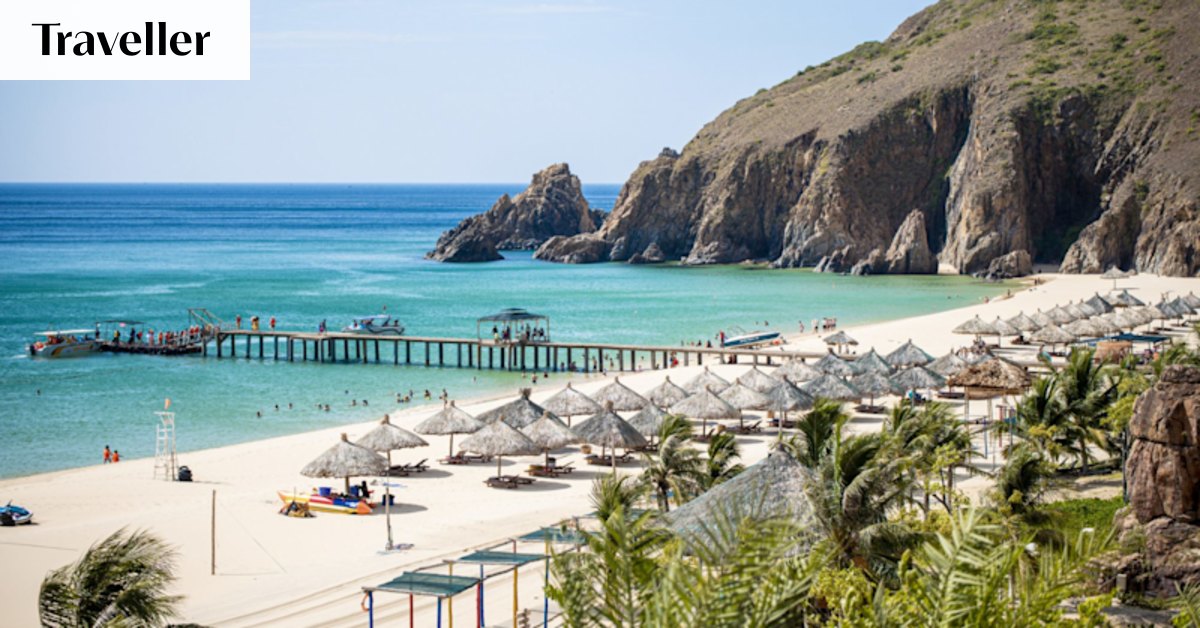
Beachfront in Vietnam at Ky Co – for luxury rooms it’s a case of loyalty and timing.iStockIt sounds like there’s a catch but there isn’t, really. It all comes down to how hotel pricing shifts and how I’ve learnt to work with platform-based loyalty programs, rather than traditional hotel chains.
Instead of pledging loyalty to one hotel brand, or chasing elite status in a single chain, I use a mix of Booking.com and Expedia loyalty perks, timing, and deal-hunting filters to consistently upgrade into luxury properties that would normally sit just outside my budget.
I’m not trying to game the system so much as understand where flexibility is rewarded.
I’ve been a Booking.com Genius Level 3 member for two years. It’s a free loyalty program that activates automatically when you book through the platform, with three tiers that unlock perks like free room upgrades, complimentary breakfasts and increasing discounts.
The key difference from traditional hotel loyalty programs is that your status doesn’t reset. Once you reach Genius level, there are no annual qualification requirements or annual minimum nights, and zero pressure to stay loyal to one brand just to maintain it.
That’s where I’ve found the advantage. I usually look for Genius-eligible properties, compare member rates against direct hotel pricing, and book when the price dips around off-peak periods or last-minute availability windows.
Todd Lacey, regional manager for Oceania and Korea at Booking.com, explains that hotel rates are set by property partners, and shift with demand and availability. “Travellers will find the best value either by booking early, around three months in advance, or very last-minute, within 48 hours of check-in, when hotels are trying to fill rooms,” he says.
Expedia takes a similar approach but folds it into a broader ecosystem called One Key, which rewards ongoing use across hotels, flights and activities, and lets you spend those rewards like travel credit next time.
“The great benefit of One Key is that travellers can triple-dip,” says Darren Karshagen, senior director at Expedia Australia. “When people book their airfares on Expedia they earn OneKeyCash on eligible bookings, plus their preferred airline and credit card loyalty points,” he says. It works like travel credit: $1 in OneKeyCash equals $1 off future travel.
I tend to view OneKeyCash as a travel wallet. You accumulate credit on the baseline logistical costs, such as flights and hotels, and then deploy that cash to offset a boutique hotel stay later.
You have reached your maximum number of saved items.
Remove items from your saved list to add more.