‘I was grieving a life I hadn’t lost’: Breast cancer survivors on finding themselves again - IOL
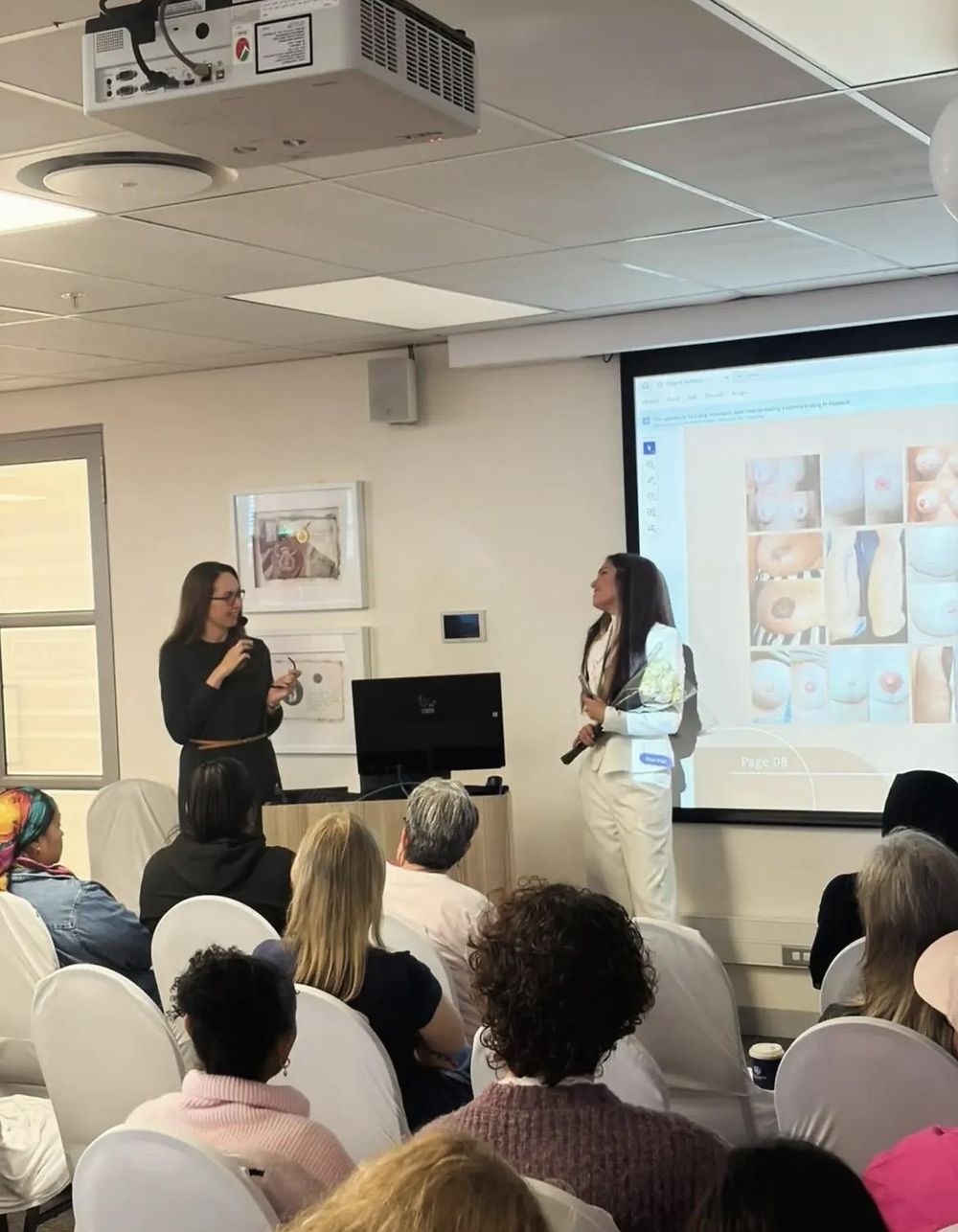
Breast Cancer Awareness Attendees listen during a breast cancer awareness event hosted by Netcare Christiaan Barnard Memorial Hospital in Cape Town.
For three Cape Town women, surviving breast cancer meant facing a new set of challenges long after diagnosis, from coming to terms with physical changes to confronting the fear of an uncertain future.
Completing breast cancer treatment does not always bring an end to the emotional toll of the disease. For many survivors, learning to accept their changed bodies, process their experiences and rediscover their sense of self becomes another part of the journey.
Three breast cancer survivors shared their deeply personal experiences at an awareness event hosted by Netcare Christiaan Barnard Memorial Hospital in Cape Town on Thursday, October 22.
Held under the theme Whole again: body, self and the journey beyond breast cancer, the event explored the physical and emotional realities of living through cancer treatment and finding a way forward.
For Ntombi Moyo, the journey began when she noticed changes while moisturising herself in front of a mirror.
Her left nipple was retracting, and her breast felt heavier than the other. Initially, she dismissed the changes, believing it was normal for breasts to differ.
But when she noticed dimpling and further nipple withdrawal, she realised something was wrong and sought medical attention.
Moyo, who said she had no family history of cancer, recalled the shock of receiving her suspected diagnosis in 2024, shortly after turning 40.
“I was mourning the fact that my life is gone right in front of my eyes,” she said.
Her experience highlighted the emotional impact of a diagnosis that can suddenly change how a person sees their future.
For Carol Naicker, who has been on her cancer journey for seven years, treatment brought significant physical changes, including a double mastectomy.
Learning to accept her body after surgery became an important part of her recovery. She encouraged other survivors not to let the loss or removal of their breasts diminish their sense of self-worth.
“I look at my scars, and I say, you are a beautiful woman,” she said.
The mother of three also spoke about the role of faith and medical care in navigating the disease, emphasising that the two could work together.
“Medicine is there for a reason. Your faith is there for a reason. Work with the two,” she said.
Her message was one of acceptance, encouraging women to recognise their worth beyond the physical changes brought about by cancer treatment.
For Michaela Herman, the experience began with uncertainty despite initially receiving an all-clear ultrasound after the birth of her son.
She continued to feel that something was wrong. Further investigations eventually revealed two breast cancer subtypes: triple-negative and hormone receptor-positive breast cancer.
Her treatment included chemotherapy, immunotherapy, a double mastectomy, lymph node surgery, radiation and breast reconstruction.
Before treatment began, Herman was frightened by the uncertainty of what lay ahead and whether she would live to watch her son grow up.
“I was, in a sense, grieving a life that I hadn’t actually lost, and so I focused on living,” she said.
The experience changed her relationship with her body. Rather than seeing it only as the place where the disease had developed, she began to view it with greater compassion for carrying her through treatment and recovery.
“My body was the place where something had gone wrong, and it was also the place where healing needed to happen,” she said.
Dr Britta Dedekind, a general surgeon with a special interest in breast cancer surgery, said she felt privileged to be part of the women's care journeys.
Reflecting on the awareness event, she said organising it had been stressful, particularly in the lead-up, when there was uncertainty about attendance and how the speakers and content would be received.
However, she valued the opportunity to create an environment where patients felt comfortable sharing their experiences, including contributions that had not been planned.
The event also provided an opportunity for information-sharing, making new contacts and building relationships.
Dedekind's work extends beyond surgery. She collaborates with a range of specialists to provide comprehensive care for breast cancer patients and leads a weekly multidisciplinary team meeting at the hospital, where patients' cases are discussed.
The survivors' stories highlighted that the journey beyond breast cancer involves more than medical treatment. Coming to terms with physical changes, processing the emotional impact of diagnosis and finding support can all form part of learning to live beyond the disease.