I was told to warn headteachers about Walliams years ago - The Independent
Want to bookmark your favourite articles and stories to read or reference later? Start your Independent Membership today.
When my first book came out over a decade ago, I was invited to many book launches in education and YA debuts. People in publishing knew I worked with lots of schools, and two different editors pulled me aside to whisper the same thing: “For the love of God, tell any heads or teachers you know to stop booking David Walliams in their schools.”
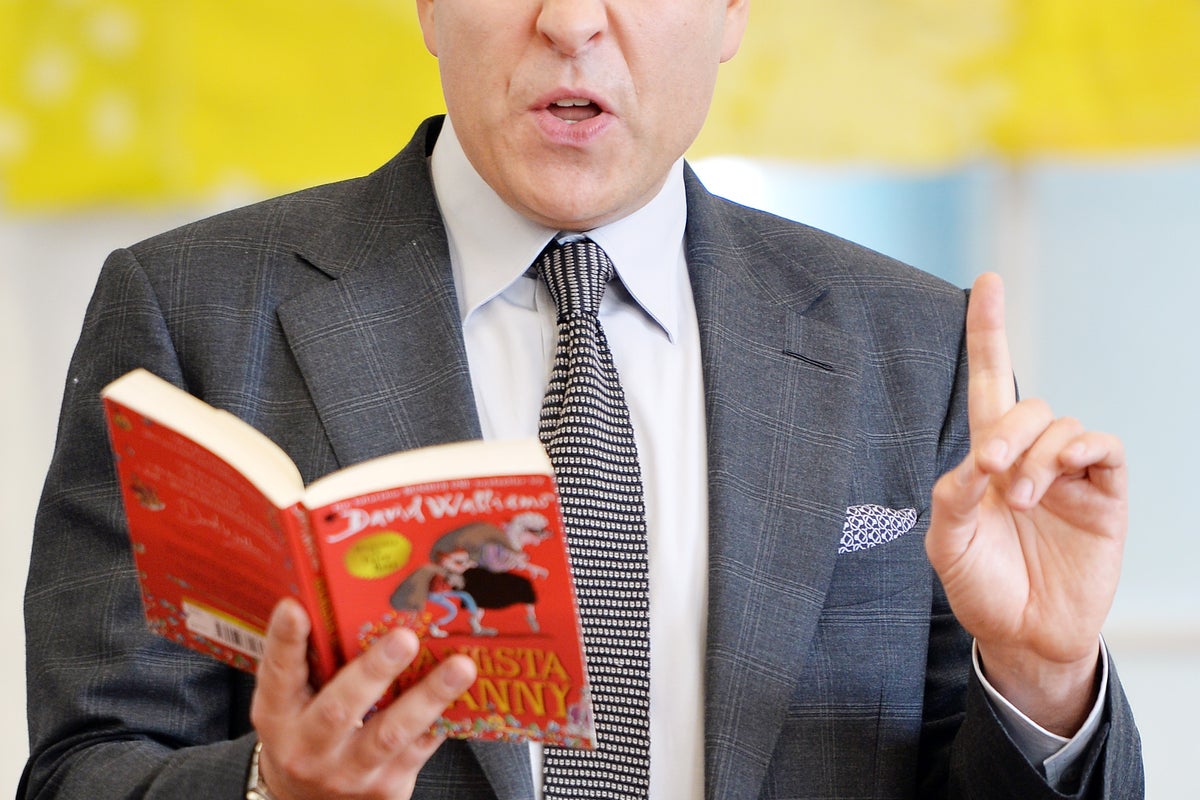
Even in 2015, the whispers about Walliams in publishing, TV and beyond were everywhere, but people were scared to speak up. He was at the peak of his powers: a judge on the then-hugely popular Britain’s Got Talent, with a run of mega-bestsellers (Billionaire Boy, Gangsta Granny, Awful Auntie).
His books – aimed squarely at a younger audience – put him in huge demand for school visits, and over his career he did many of them, some high-profile and some low-key. He was just as sought after at festivals, literacy and charity events; the star author and presenter was a main draw. The money was rolling in for him and his management.
Yet concerns about his behaviour and reputation were deep and widespread. That was bad enough where adult colleagues were concerned. It was quite another thing where a younger audience was in his orbit. The women in publishing I spoke to were profoundly worried that his fame gave him access to schools and young people. By then, the rumour mill was in overdrive, but the trouble with industry rumours is that they stay inside the industry. The head teachers and schools enthusiastically booking him had no idea.
It’s important to say that there has never been an on-record complaint about Walliams’s behaviour in schools, and there are plenty of positive reports of such visits. But multiple women have now given on-record accounts, all of which Walliams denies.
One alleges he began contacting her at the age of 15, after they met at a fan book-signing event. Fifteen-year-old girls are in Year 10 or Year 11; schools and book signing events are full of teenagers the same age. Another woman, “Jade”, told the investigation by ITV and The Guardian that she was 15 when Walliams contacted her on MySpace, where her date of birth was on her profile page. After contacting her, she alleges that, after he kissed her down a side street, she went back to his house, where he kissed her again. After pushing him away, she remembers him saying “that we should wait until [she was] 16 and then said to keep in contact …”
Walliams has denied any wrongdoing. In a letter addressed to journalists working on the investigation, he wrote: “Looking back, I realise that at times I behaved thoughtlessly towards other people I had casual sexual relationships with. I realise I did not always take people’s feelings properly into account. That is something I regret.
“And whilst a power imbalance is inevitable when one party is famous, abusing that power is something else entirely and it is something that I never did.”
He added: “I am not a sexual predator. I have not broken the law, but I am devastated that some of the women I met 10 to 20 years ago have now expressed hurt or anger towards me.”
Even if his alleged victims were over the age of consent, in hindsight, a man who has a pattern of contacting teenagers in his thirties is not a guest you’d want visiting your sixth form.
Defenders point out that his outrageous comedy was always part of his brand, and that people (including people in education) knew he was a bit of a naughty, edgy booking. When he did overstep, as when leaked transcripts caught him calling a Britain’s Got Talent contestant a “c***” off-camera, it was read as crudeness rather than as a warning sign. Rather than hanging his head in shame, he even went on to sue the production company for the leak and settled with them out of court.
His hugely successful publishing career also seemed to draw a reputational line in the sand between the offensive Little Britain persona and the avuncular author of children’s books. But there is an enormous gulf between a Carry On-esque character who says and does slightly naughty things and someone who abuses his position of power. Walliams’s fame made him an extremely successful children’s author and family entertainer, which is another reason to pay more attention to what he was saying and doing in public.
Jonathan Ross’s joke about 15-year-olds going home with David Walliams at the Comedy Awards? Not so funny now.
Walliams went to the High Court to try to stop The Guardian and ITV from publishing. His lawyers argued that publication would put his life at risk: he had made two suicide attempts and had been detained under the Mental Health Act. The judge refused the injunction, and Walliams has been named and denies all allegations in the investigation.
His career, however, was already in freefall. In December 2025, HarperCollins dropped him after an internal investigation into his behaviour towards junior female staff. Independent Talent Group has now severed ties, the BBC has pulled Little Britain pending a review, and other platforms and organisations are following suit.
He has not been charged with any crime and denies all the allegations. But too many times you hear across industries that “everyone knew”.
Serious questions need to be asked about a culture that seems willing to protect famous men as long as they’re successful and lucrative enough. Blind eyes need to be opened, and persistent worries and rumours about patterns of behaviour need to be properly interrogated and examined. It’s not good enough to say no one has made a complaint to the police.
If it is revealed that the allegations are true and people in the know still raised no flags as he walked into schools and literary festivals and book signings, which young people flocked to, that’s not just an institutional failure but a moral one.
At what point does “everyone knew” stop being a guilty joke and start being an indictment?
At The Independent, our mission is to deliver unbiased, fact-based journalism. Journalism that's free from political allegiances and the influences of shareholders and commercial interests.
But we need your help. Your support enables us to uncover crucial stories that would otherwise have gone untold, hold power to account, and amplify voices often unheard.
Whether $5 or $50, every contribution counts. It fuels our reporting, invests in investigations, and maintains our independence.
It’s a reminder that our trusted, fact-based, free-thinking journalism remains available to everyone thanks to the generosity of our readers. To show your support and help us tell more of the stories that matter, please make a donation today.
Not ready to donate? Choose 'Maybe later' to start reading.