IAF needs 36-40 new fighter jets a year to halt squadron decline: Air Chief
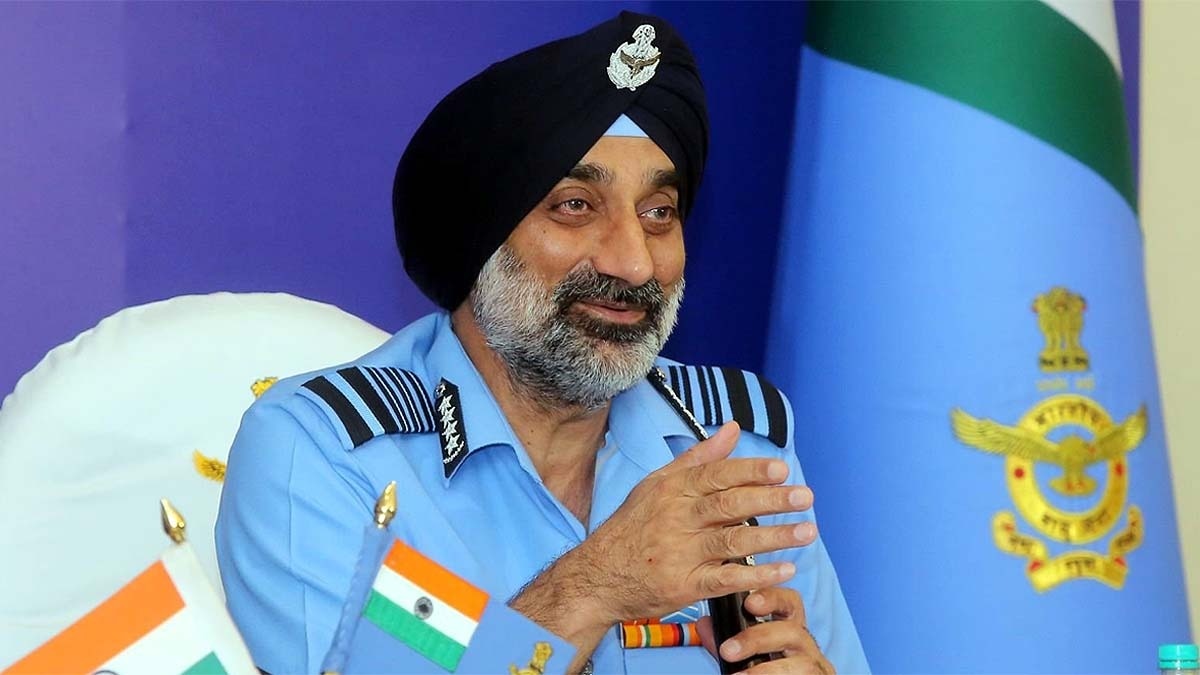
Indian Air Force chief Air Chief Marshal AP Singh on Saturday said the force needs 36-40 new fighter aircraft a year just to stop its squadron strength from falling, and more to rebuild it.
Speaking at his annual press conference ahead of Air Force Day, Singh said this meant adding roughly two fighter squadrons annually. He warned that delays in aircraft development and production directly hurt operational capability.
“Technology delayed is technology denied,” he said.
Singh outlined programmes to address the shortfall, including the Tejas Mk-1A, Tejas Mk-2, the proposed procurement of 114 Multi-Role Fighter Aircraft (MRFA) and the Advanced Medium Combat Aircraft (AMCA), India’s fifth-generation fighter project.
Hindustan Aeronautics Limited (HAL) is looking at producing more than 24 aircraft a year, he said.
Tejas production, an MRFA contract and additional aircraft orders could help meet the annual requirement if the programmes proceed as planned.
The IAF might have to consider alternative fighter platforms if the AMCA or other programmes were delayed, Singh said. He added that no decision had been taken on Russia’s offer of the Su-57.
On theatre commands, Singh said the IAF was not opposed to their creation, but their structure and implementation needed careful examination.
Operational experience from Operation Sindoor had changed the direction of discussions, he said. With a revamped Chiefs of Staff Committee in place, the military would examine the proposed structure afresh, including whether to implement it in one go or in stages.
“The military will present the options to the government,” Singh said.
He also described Pakistan-China cooperation on fifth-generation fighter jets as a “cause of concern”.
However, he said Pakistan had not realised the full potential of its platforms because of gaps in their integration with its wider combat system.
Shivani Sharma is a broadcast journalist who specialises in Defence reporting. She happens to be the first Indian journalist to reach the world’s highest motorable top at Umling La and also to cover the southern most strategic tip of the country at Nicobar.