IEC says Amendment Bill may be more useful after local elections - IOL
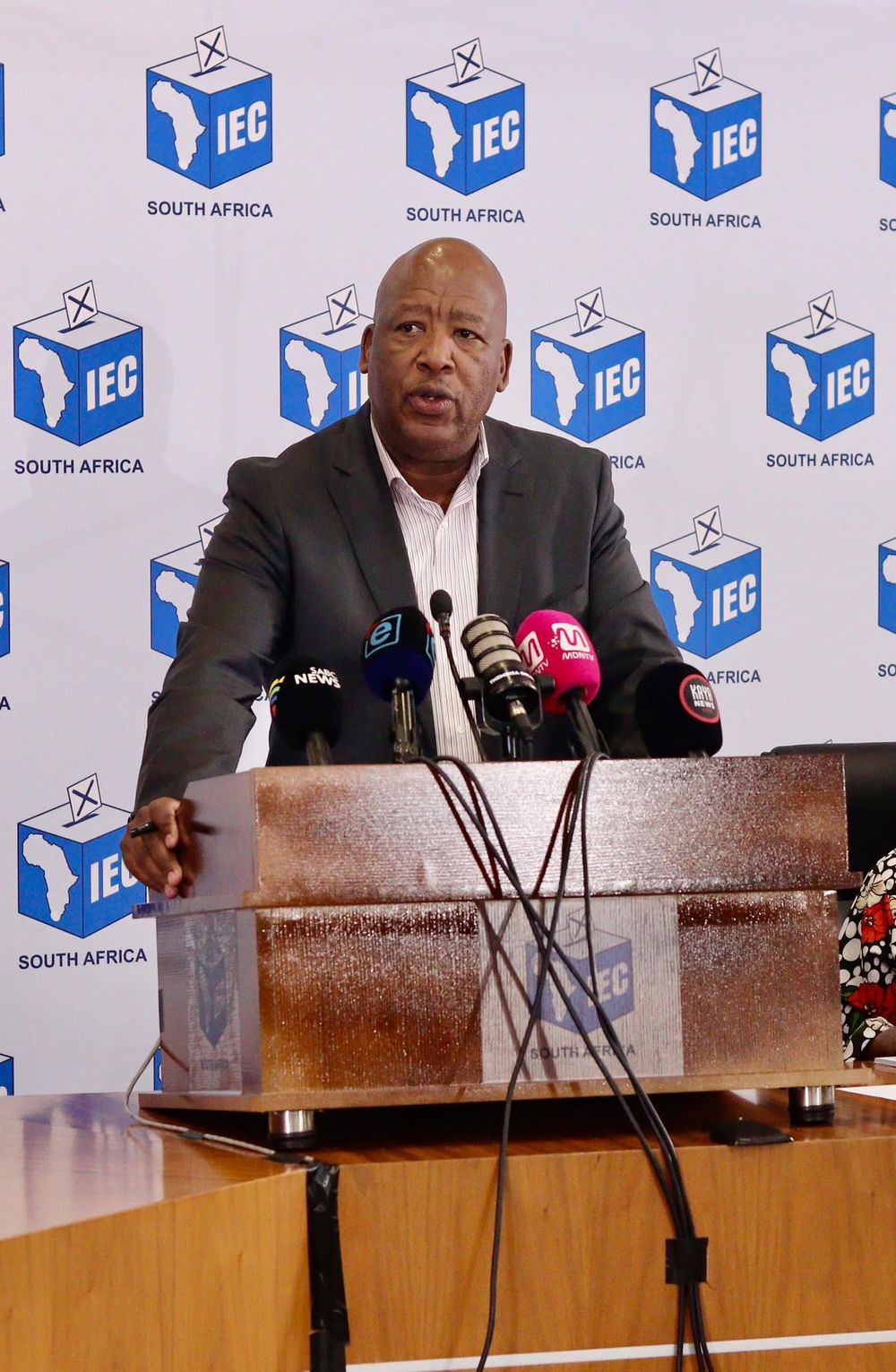
The Independent Electoral Commission yesterday asked Parliament to still consider the Electoral Laws Amendment Bill even though it may not be passed before the upcoming local government elections to be held on November 4.
Briefing the Home Affairs Portfolio Committee, Deputy Chief Electoral Officer Masego Sheburi outlined the implications of the bill not being passed before the elections.
Sheburi said the changes in one of the sections of the bill will become more relevant after the local government elections when they deal with by-elections and going forward.
“We need it more in those instances than we would in the November 4 elections,” he said.
The bill seeks to amend the Electoral Commission Act, the Electoral Act and the Municipal Electoral Act.
In his presentation to the committee, Sheburi said the bill proposed that parties not represented in council, legislature and Parliament should renew their registration every year.
“If the bill is passed, a party that fails to renew its existence by the cut-off time will automatically fall off the register of parties. It will save the commission from litigation and spending money in defending its decision to deregister parties that are registered but not represented,” he said.
Sheburi also said the bill made provision to increase the number of judges in the Electoral Court and enabled the court to sit in various sessions to consider the cases before it.
The proposal is that the Judge President of the Electoral Court, in consultation with the Justice Minister, will compile a list of additional members made up of non-judges with relevant experience.
Sheburi added the bill removes registered post and telegram as methods to serve notices.
“We are retaining the electronic mail as well as serving in person to bring it in line with modern forms of service.”
He further said the bill amended to provide for voters registering with the IEC to provide sufficient detail of the places of their ordinary residence and placed what constituted privacy rights and personal information on the voters’ roll.
“The most consequential amendment is that the objections may only be made against the provisionally compiled voters’ roll. Once the period of objection has lapsed, the commission has made a decision and the voters’ roll is certified, it can be used for an election.”
The proposal is that the Judge President of the Electoral Court, in consultation with the Justice Minister, will compile a list of additional members made up of non-judges with relevant experience.
Sheburi added the bill removes registered post and telegram as methods to serve notices.
“We are retaining the electronic mail as well as serving in person to bring it in line with modern forms of service.”
“Only parties whose registration is final on the day of proclamation can nominate candidates for elections,” he said, pointing out that once a party is registered, there is a 30-day period for objections.
While MPs welcomed that the IEC was not in a rush to have the bill passed before the elections, they asked questions about exclusion of the Judicial Services Commission in recommendation of non-judges to serve on the Electoral Court.
They asked whether the bill dealt with accountability by unrepresented parties in so far as their funding was concerned.
In response, Sheburi said the deregistration of parties dealt with “shelf parties” that did not give notice on their existence.
“It is a requirement that all parties not represented must give notice that they continue to exist. If they give notice, the commission will not touch their registration," he said.
IEC chairperson Mosotho Moepya said: “We want the Act to ensure that the deregistration happens by application of the law.”
Sheburi stated that all parties were required in terms of the Political Party Funding Act to account for all their sources of money received and for the donors to make a disclosure.
Home Affairs Department legal advisor Advocate Moses Malakate said they noted the bill removed the role of the JSC in recommending non-judges to serve on the Electoral Court.
“We will endeavour to find reason and rationale as to why the JSC has been removed from making recommendations,” he said on the amendment proposed by the Judge President.
Committee chairperson Mosa Chabane said the time-frame was too tight to consider the bill before the elections.
“It is important that the portfolio committee pays attention. We will subject the bill to public participation for comment,” Chabane said.