I’m an airline safety expert. Here’s how the FlyDubai incident should have been prevented
Want to bookmark your favourite articles and stories to read or reference later? Start your Independent Membership today.
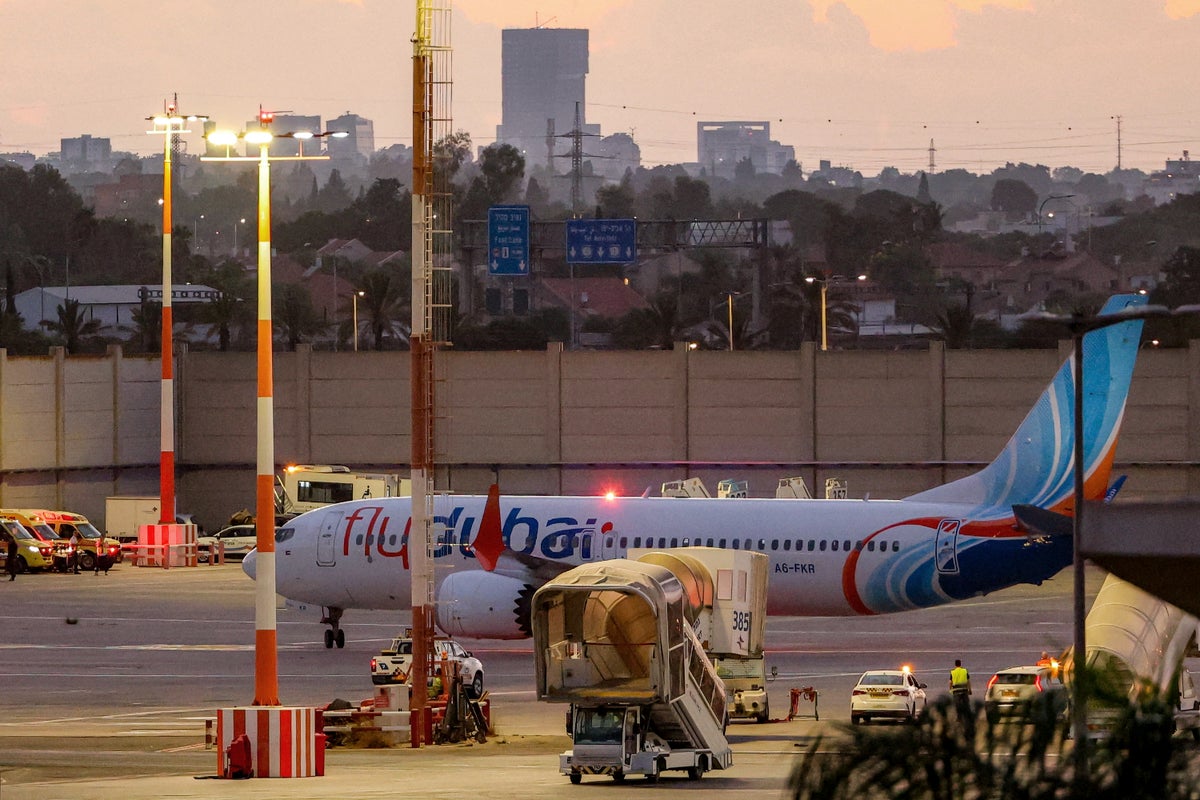
An incident in which a FlyDubai pilot is alleged to have stabbed the captain with the intention of crashing a plane of mainly Israeli passengers has shone a light on flight security.
Reports suggest that passengers on the plane were able to enter the cockpit, subduing the alleged attacker before the plane was safely diverted to a Saudi runway. Israeli fighter jets were scrambled in response to the incident.
What do airlines do to prevent incidents like this one?
I’m an aviation security expert with 40 years’ experience in the industry. My expertise is in how the U.S. system works. But much of what has been put in place in the U.S. after the terrorist attacks of 9/11 has been implemented in some form as best practice across the world.
The 2001 attacks – in which terrorists stormed the cockpits of four passenger jets, crashing three into targets, with the fourth being brought down after passengers fought with the hijackers – saw the U.S. and global airline industry change its protocols and safety measures to protect the cockpit from outside threats. Insider threats, however, remain a problem.
All pilots and flight attendants in the U.S. must undergo criminal history record checks and security threat assessments to determine if they’ve been convicted of a major crime or are otherwise a potential threat to aviation.
These checks are more vigorous than before 9/11, when pilots and cabin staff were only subjected to employment history checks.
All U.S. flight crew members must also undergo an identity verification process when hired. They access airports through a designated crew member access point. Although this means they technically bypass the passenger screening process, crew members are subject to random physical screening by the Transportation Security Administration.
The reality is that if a flight crew member wanted to commit a criminal act, they may already have the access they need, but at some point the final layer of security is trusting the people in charge of the plane.
While the potential for random checks may prevent a crew member from having a weapon, it still doesn’t prevent all efforts should a determined crew member want to commit an act of terrorism. In 2015, for example, the pilot of a Germanwings flight locked the captain out of the cockpit when he went to the lavatory, then crashed the plane into the French Alps.
There are also some pilots who fly with firearms under the Federal Flight Deck Officer program, created through the Homeland Security Act of 2002. Under the terms of the program, the Federal Aviation Administration certified that pilots can “use firearms to defend against an act of criminal violence and air piracy while attempting to gain control of an aircraft.” To be eligible, flight crew members must pass biannual firearms requalifications, undergo training and have a medical certificate.
Prior to 9/11, pilots and flight attendants were not subjected to passenger-style screening and the Federal Flight Deck Officer program did not exist.
Jeff Price is a Professor of Aviation and Aerospace Science at Metropolitan State University of Denver.
This article is republished from The Conversation under a Creative Commons license. Read the original article.