IN FOCUS: With landfills almost full, Indonesia grapples with ‘ticking time bomb’ of waste crisis - CNA
Indonesia is counting on waste-to-energy plants to tackle its waste crisis, but experts say it’s no substitute for reducing trash at the source.
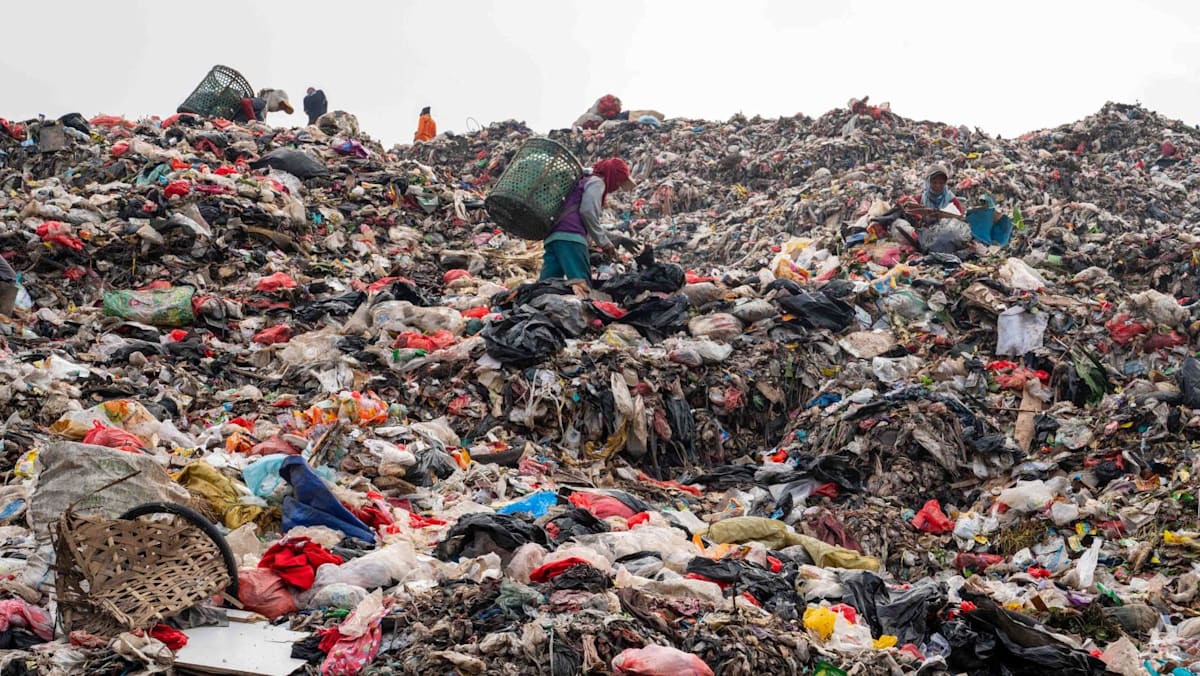
Waste pickers search through piles of rubbish at Bantargebang landfill in Bekasi, Indonesia. (Photo: CNA/Ridhwan Siregar)
This audio is generated by an AI tool.
Kiki Siregar 03 Jun 2026 06:00AM (Updated: 03 Jun 2026 07:05AM) Bookmark Bookmark Share WhatsApp Telegram Facebook Twitter Email LinkedIn Set CNA as your preferred source on Google Add CNA as a trusted source to help Google better understand and surface our content in search results. Read a summary of this article on FAST. Get bite-sized news via a newcards interface. Give it a try. Click here to return to FAST Tap here to return to FAST FAST DENPASAR/JAKARTA: With its sandy beaches and lush paddy fields, Bali has long been sold as Indonesia’s picture-perfect island paradise.
But to locals, especially those living in southern Bali, their streets have been far from dreamy, with piles of trash filling up parts of the island in recent months.
Since Apr 1, residents in Bali have had to separate organic and inorganic waste. Organic waste has largely been barred from the island’s biggest landfill, Suwung, which serves the heavily populated and tourism-driven south.
Under the new regulation, residents are supposed to compost or send their waste to recycling centres.
Inorganic waste can be sent to a newly established small inorganic landfill in southern Bali.
Organic waste is biodegradable waste such as fruits and eggshells that originate from plants or animals. Inorganic waste is non-biodegradable waste originating from non-living, synthetic, or mineral-based materials, such as bottles and styrofoam.
The rule was meant to push households and businesses to sort and process waste at the source, rather than sending everything to a landfill already at breaking point.