India aims to seal 114-Rafale deal by March amid fighter squadron crunch: IAF chief
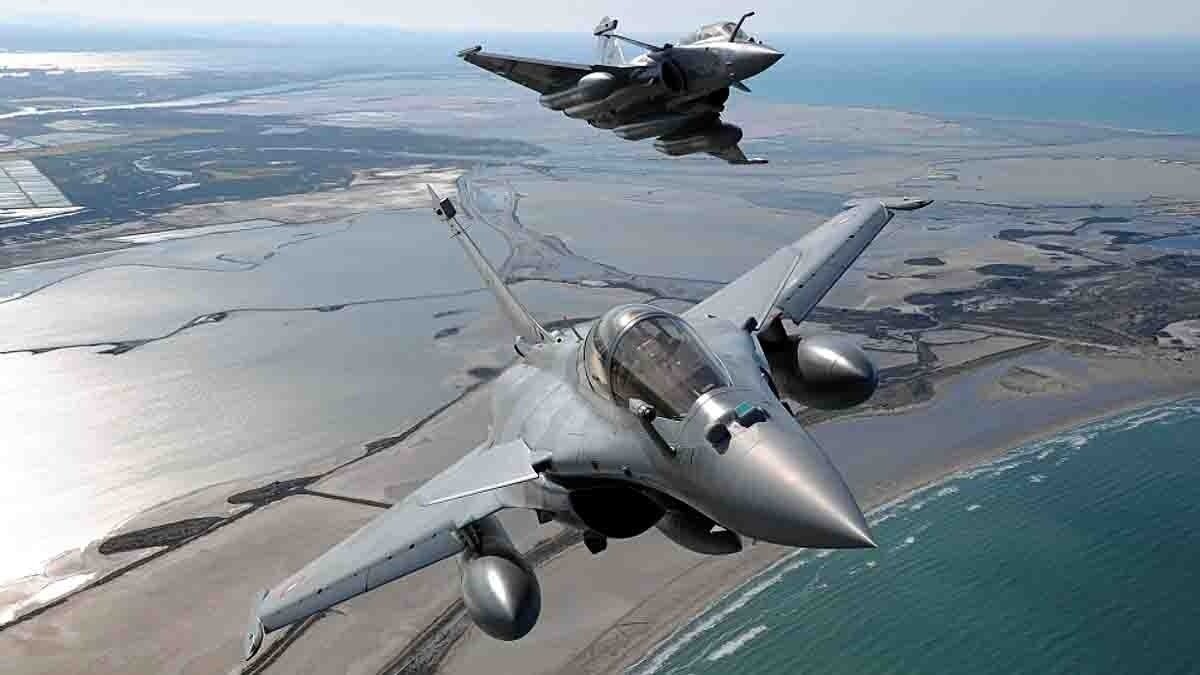
India is looking to finalise the long-awaited multi-role fighter aircraft deal by the end of this financial year, provided things go as planned, Chief of Air Staff Air Chief Marshal AP Singh said on Saturday. He said the Indian Air Force needs to further strengthen its combat capability at a time when fighter squadron strength remains under pressure.
Speaking at a press conference ahead of Air Force Day, Air Chief Marshal Singh said negotiations are under way on the proposal to procure 114 Rafale fighter jets from France under a government-to-government framework. He also said the force may have to consider another platform if the Advanced Medium Combat Aircraft programme faces delays.
In February, India cleared the long-pending proposal to acquire 114 Rafale jets in what is being seen as its biggest defence procurement push. The plan was first rolled out nearly two decades ago to strengthen the Indian Air Force's combat capability.
Air Chief Marshal Singh said price negotiations and other critical issues linked to the project are currently being discussed. On the possibility of alternative options, he said, "Russia has offered us Su-57 jets, but no decision has been made on it."
Responding to a question on the falling strength of fighter squadrons, he said the Indian Air Force would need at least 36 to 40 aircraft every year over the next few years. He said air power remains crucial to overall military strength and that India needs to ramp up its air power further.
On modernisation, the Air Chief Marshal said the force must be strengthened through artificial intelligence. "We have to have an AI-augmented force," he said. He added that self-reliance is vital for overall combat readiness and underlined the need for India to produce a fighter jet engine in the country.
Overall, the Air Force chief said India is pushing ahead with the fighter aircraft deal while also looking at broader modernisation, higher aircraft induction, self-reliance and future options if domestic programmes face delays.- Ends