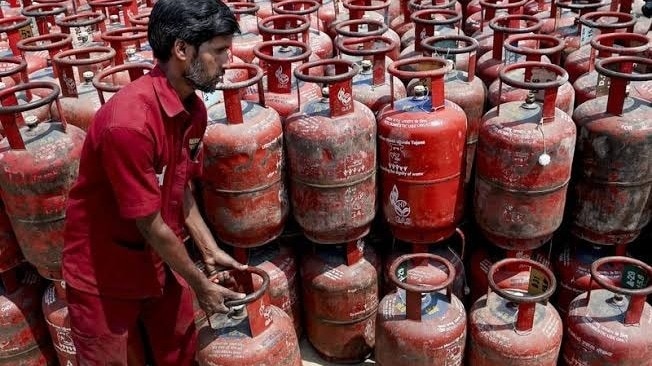
India's water reserve at 10-year-low, dams at 50% capacity, drought looming
India is staring at mounting water stress as reservoir levels across the country fall below the decade-long average, with southern India holding just half its storage capacity even as the southwest monsoon prepares to withdraw.
The latest Central Water Commission (CWC) data show that water storage in 178 major reservoirs stands at 70% of their combined capacity, below the 10-year average of 76.62% and last year's level of 79%.
The CWC report, dated September 24, comes amid drought declarations in Maharashtra and Karnataka, raising concerns over water availability for irrigation, drinking water and hydropower generation in the coming months.
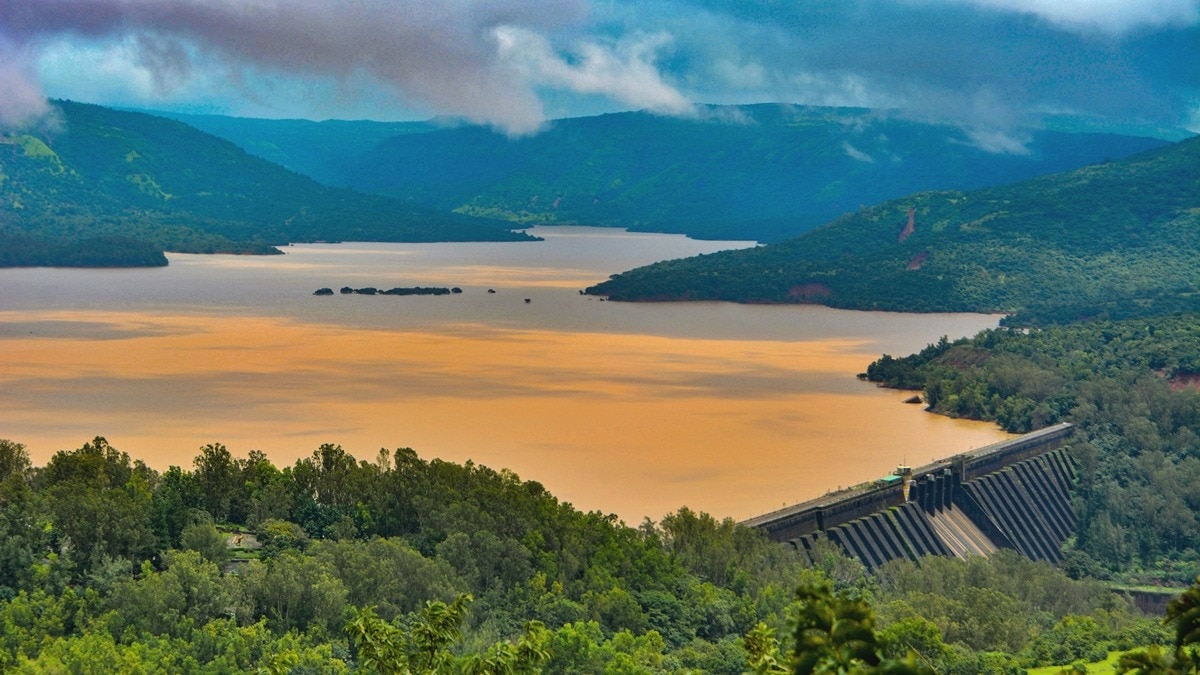
The southwest monsoon, which accounts for more than 70% of India's annual rainfall, replenishes reservoirs and surface water bodies that support agriculture, drinking water supplies and electricity generation Water levels in the southern reservoirs stand at just 50% of their total capacity. (Photo: PTI)
.SOUTHERN INDIA FACES THE BIGGEST WATER CRUNCH
The southern region, covering Andhra Pradesh, Telangana, Karnataka, Kerala and Tamil Nadu, has recorded the sharpest decline in reservoir storage.
Water levels in the region's reservoirs stand at just 50% of their total capacity, holding 27.926 billion cubic metres of water. This is a steep fall from 87.25% during the corresponding period last year.
The region has also received 23% below-normal rainfall, according to India Meteorological Department data as of September 28.
The CWC report has painted a concerning picture for 92 reservoirs across southern, eastern and northern India, highlighting uneven water availability despite the monsoon's final rainfall spells. GUJARAT DAMS FACE MOUNTING PRESSURE
In Gujarat, 109 of the state's 206 dams are holding less than half their storage capacity, according to State Emergency Operations Centre data released on Monday.
Of these, 73 dams are below 25% capacity, while 36 are between 25% and 50% full. Another 28 dams are between 50% and 70% capacity, and 32 are completely full.
The combined storage in Gujarat's reservoirs stands at 4,00,946 million cubic feet, or 71.87% of their total capacity.
However, the Sardar Sarovar reservoir remains relatively well-stocked, holding 3,32,033 million cubic feet of water, equivalent to 99.39% of its capacity. Reservoirs in eastern India hold 16.157 billion cubic metres, or 73% of their combined capacity. (Photo: PTI)
The project irrigates 1.85 million hectares in Gujarat and 0.24 million hectares in Rajasthan, besides supplying drinking water to around three crore people.EAST AND NORTHEAST ALSO FACE RAINFALL DEFICITS
Reservoirs in eastern India hold 16.157 billion cubic metres, or 73% of their combined capacity.
While Odisha and parts of West Bengal have received rainfall, several eastern and northeastern states have recorded seasonal deficits of around 25%.
With the monsoon season ending on September 30, the below-average reservoir stocks raise concerns over water availability during the dry months ahead, particularly in regions already facing rainfall shortages.- Ends