
Inflation expectations jump on fears of unorthodox policy shift - Valor International
Growing speculation that President Luiz Inácio Lula da Silva's government could seek to bring public finances under control through aggressive interest rate cuts, along with uncertainty over upcoming Central Bank appointments, has set off alarm bells in financial markets. Investors are now pricing in significantly stronger inflationary pressures over the next few years.
Breakeven inflation rates, calculated from the difference between nominal futures yields and real yields on inflation-linked government bonds (NTN-Bs), surged across short- and medium-term maturities on Tuesday (Nov. 3). Market participants attributed the move to fears that Lula's fourth term could usher in an unorthodox monetary policy approach, departing from the Central Bank's traditional framework.
The breakeven inflation rate derived from the NTN-B maturing in August 2028 rose 13 basis points to 6.74% from 6.61% on Tuesday. The rate on the August 2030 bond climbed by the same amount, reaching 6.87%, up from 6.74%.
Speculation intensified after O Globo columnist Lauro Jardim reported that President Lula planned to meet with economist André Lara Resende, one of the architects of Brazil's Real Plan, who has advocated cutting the benchmark Selic rate to 7.5% within 12 months to reduce public debt-servicing costs.
In an article published on Substack in September, Lara Resende argued that Brazil's high interest rates are the main driver of the country's steadily rising public debt.
He proposed establishing a council to set fiscal and monetary targets, allowing the Selic to fluctuate within a predetermined range. Under his proposal, the lower bound would be the 3% inflation target, while the upper bound would add the economy's potential growth rate to that target, resulting in a benchmark rate of 5.5%. His proposed Selic rate of 7.5% would also include a "temporary safety spread of 2%."
To market participants and economists who favor conventional monetary policy, the proposal amounts to an artificial reduction in interest rates that would send risk premiums sharply higher, weaken the currency and fuel inflation expectations.
Although Finance Minister Dario Durigan denied that Lula would meet with Lara Resende, the debate alone was enough to trigger significant turbulence in the breakeven inflation market on Tuesday.
"Personally, I don't really believe they will go down that path. It would be highly self-destructive," said a market economist who requested anonymity, referring to Lara Resende's proposal.
The economist cautioned, however, that the reelected government's economic policy direction remains difficult to assess.
Another factor behind the sharp repricing of breakeven inflation was the deterioration in forecasts in the Central Bank's Focus survey released Tuesday, the first to capture market expectations since the presidential election.
The median forecast for consumer inflation, measured by the IPCA index, in 2027 jumped to 4.76% from 4.34%, while the projection for 2028 rose to 4% from 3.75%.
In the interest rate futures market, the worsening outlook has led traders to price in nearly 200 basis points of Selic increases over the course of 2027, bringing the benchmark rate to around 15.5%.
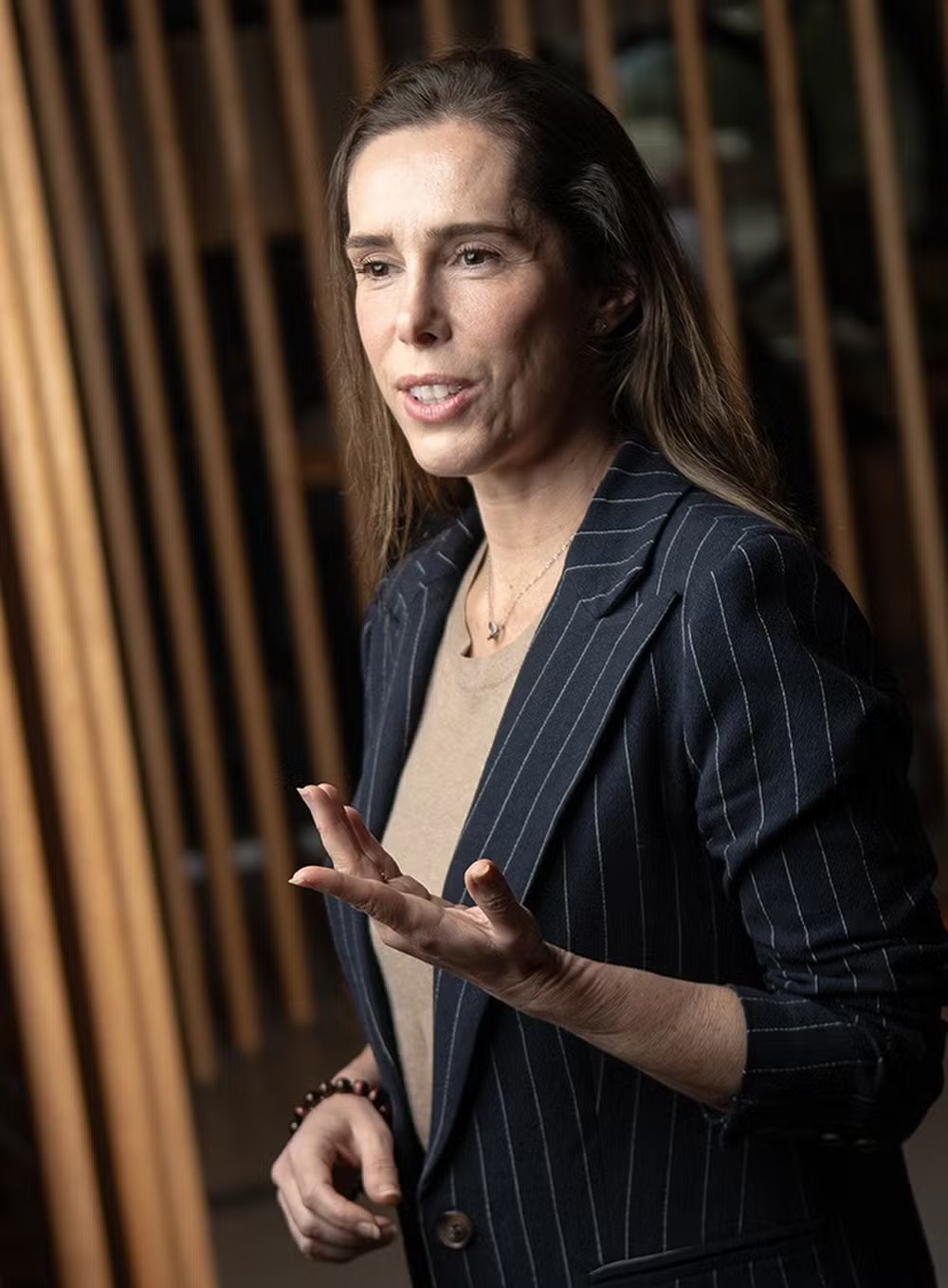
Milena Landgraf, partner and chief investment officer for macro strategies at Jubarte Capital, said the government's failure to provide a clear economic policy roadmap has left investors free to speculate about different scenarios.
"The government does not seem to feel any urgency to provide society with greater clarity about the path it intends to take," Landgraf said.
She does not see an imminent risk of a softer monetary policy stance toward inflation, although she acknowledged the uncertainty surrounding appointments of new directors who will sit on the Central Bank's Monetary Policy Committee (Copom).
Reports in recent days that economist André Roncaglia could be nominated for one of the vacant Central Bank board seats have been poorly received on Faria Lima, São Paulo's main financial district.
"The main issue is that, until the government provides clearer guidance on the profile of its Central Bank nominees, the leadership of the Finance Ministry and fiscal policy, the market will remain without an anchor, adrift," Landgraf said.
This article was translated from Valor Econômico using an artificial intelligence tool under the supervision of the Valor International editorial team to ensure accuracy, clarity, and adherence to our editorial standards. Read our Editorial Principles.


