
INTERVIEW - US Democrats to investigate Trump fossil fuel ties, lawmaker says - Anadolu Ajansı
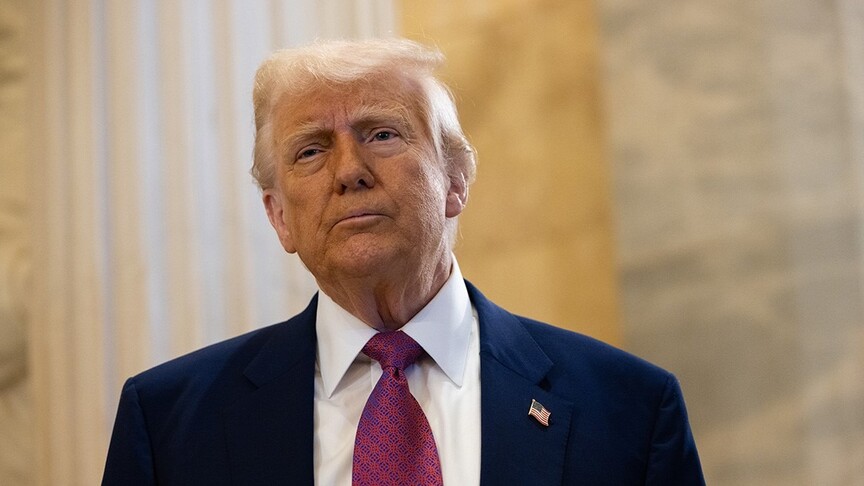
The incoming Democratic-led US Congress will investigate potential conflicts of interest between US President Donald Trump and the fossil fuel industry, US Representative Dave Min told Anadolu.
Speaking on the sidelines of the UN climate summit COP31 in Antalya, he said lawmakers would examine whether such ties influenced Trump's decisions to withdraw from climate agreements and abandon US commitments.
“If that's the case, we can call that out and try to create the basis for changes in policy later, including trying to put President Trump and others in his family accountable, maybe in jail. So, that's part of what we can do,” he said.
He stressed that the incoming Congress is unlikely to reverse Trump’s withdrawal from international climate agreements before 2029, although lawmakers can use congressional oversight and legal challenges to push back against his policies.
Min said Democrats could challenge the administration in court over funding cuts and other actions they believe exceed presidential authority.
“He's withheld money that we've dedicated to climate causes, including the clean energy tax credits,” he said.
However, he cautioned that securing new funding or rejoining international climate agreements would likely remain difficult without the president’s cooperation.
“As far as getting back into climate agreements like the Paris Agreement, I don’t know that that will happen until 2029,” he said.
On international climate finance, Min said Democrats would seek to restore previously approved funding Trump withdrew, but acknowledged that securing additional contributions would require the president’s approval.
Turning to US energy policy, Min described renewable energy as central to reducing the country’s dependence on oil and gas while strengthening energy security.
“And as the Iran war is showing us, we're too dependent on the Middle East right now," he said, stressing the need to invest in renewable energy.
He also pointed to advances in battery technology and long-duration energy storage, saying they had improved the economic prospects of renewable energy despite concerns about the intermittent nature of solar and wind power.
“I think that it clearly should be the most important part of any energy portfolio going forward,” he said.
Min also acknowledged that repeated reversals in US climate policy under successive administrations had undermined international confidence in Washington as a reliable partner.
“Everybody wants to see the United States as a reliable and predictable partner. And the whiplash we've seen over the last few years has really caused people to doubt whether they can trust us as a partner,” he said.
He said rebuilding that confidence would require sustained political stability and successive electoral victories.
“They won’t believe us until we’ve won, say, five or six or 10 elections in a row. And we’ve shown that stability, shown again, reestablished that we’re a trustworthy partner,” Min said.


