Iran issues chilling warning to US and its allies as tensions escalate
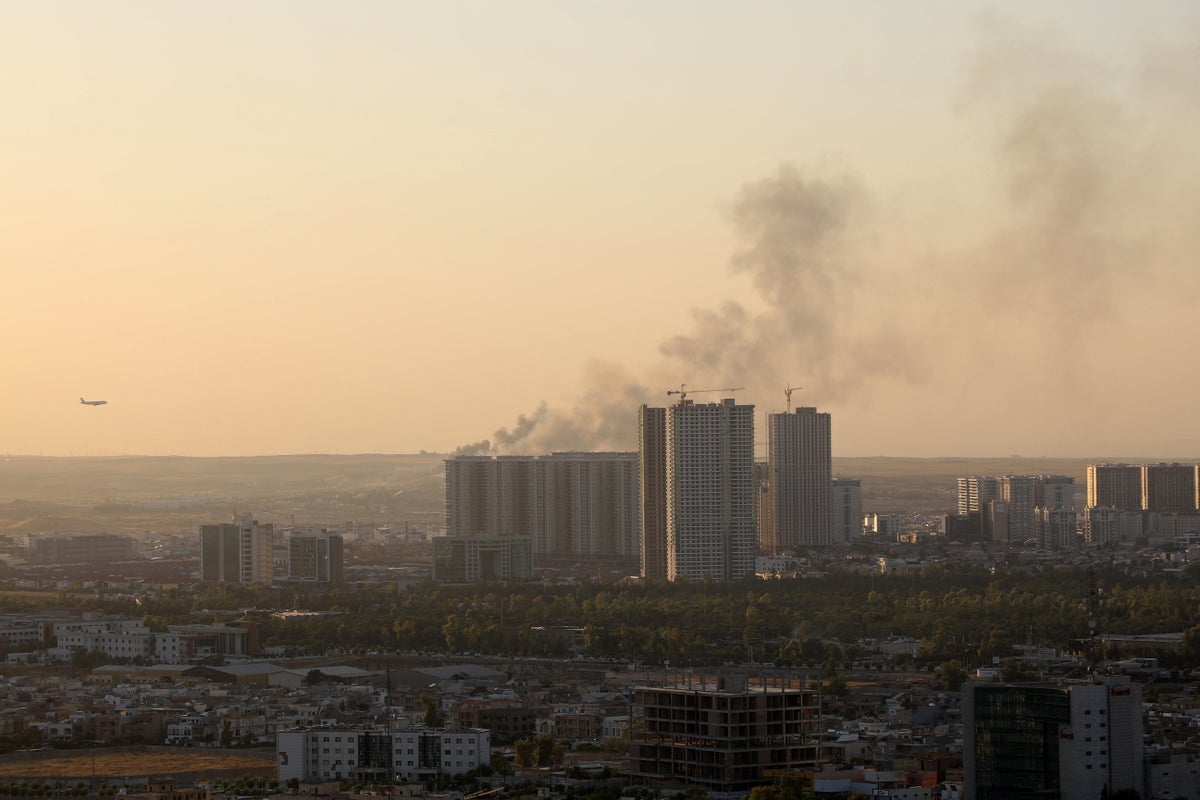
Iran issued a warning on Sunday against any major new offensive by the U.S. and its partners, saying it had intelligence that such an offensive move was being organized, heightening anxiety across a region already unsettled after recent drone and missile strikes on Saudi Arabia.
Iran’s military central command stated on state media that any fresh assault would provoke sustained retaliation against US military installations and interests, adding that Washington’s regional allies would be regarded as parties to the conflict.
The command did not elaborate on the specific information it claimed to possess regarding an impending US attack.
The State Department published a security alert on Saturday, noting the potential for unpredictable escalation in the Middle East and advising all American citizens to remain vigilant while anticipating potential commercial flight cancellations and possible regional airspace closures.
Nearly seven months after the outbreak of the U.S.-Iran war, neither side appears prepared to offer the significant concessions needed to end the combat.
As global energy markets face severe strain, the conflict continues to spill over into surrounding regional crises.
On Saturday, Yemen’s Iran-backed Houthi movement, which made major territorial gains along Yemen’s Red Sea coastline after civil war reignited earlier this month, reported carrying out strikes targeting the Saudi capital Riyadh alongside a major petroleum installation in the kingdom’s Red Sea port of Yanbu.
Footage from Reuters showed a thick plume of black smoke rising near the main international airport in Riyadh following reports of explosions heard overnight in the capital.
Saudi Arabia did not issue a statement on the incident or the Houthi claims, although a Saudi-led coalition fighting the rebels stated it had intercepted separate attacks targeting the kingdom. The US State Department alert highlighted Houthi hostilities against Saudi Arabia, explicitly mentioning civilian airports.
The US Department of Defense did not immediately reply to a request for comment concerning the statement by Iran that it possessed intelligence about a coming American attack.
Recent territorial gains by the Houthis have forced Riyadh into a challenging strategic dilemma: continue airstrikes against the group to block further advances in Yemen, or withdraw to avert drone strikes against critical domestic energy infrastructure.
Houthi positions along the coast place the movement’s forces directly on the Bab el-Mandeb Strait, facilitating greater control over commercial shipping traveling between the Red Sea and Asia and enabling a blockade of the crucial maritime waterway.
Because Iran has already blocked most maritime traffic through the Strait of Hormuz, energy exports from the oil-dense Gulf region remain largely cut off from global markets, adding further upward pressure to international oil prices.
A concurrent U.S. blockade of Iranian ports prevents Tehran from selling its own oil, compounding severe economic distress inside the Islamic Republic.
With the conflict inflicting heavy damage on all sides, there is negligible indication of a return to the temporary ceasefire agreement reached in June, which collapsed in July following disputes regarding its precise conditions.
Iran reiterated on Sunday that the Strait of Hormuz would remain closed until the terms of the June arrangement, as Tehran interprets them, are met.
Iranian Parliament Speaker Mohammad Baqer Qalibaf asserted that Iran must maintain both military operations and diplomatic talks to repel its enemies and secure its strategic objectives through diplomacy.