Iran ready to reopen Hormuz in 7 days, says UNGA is golden opportunity for US talks
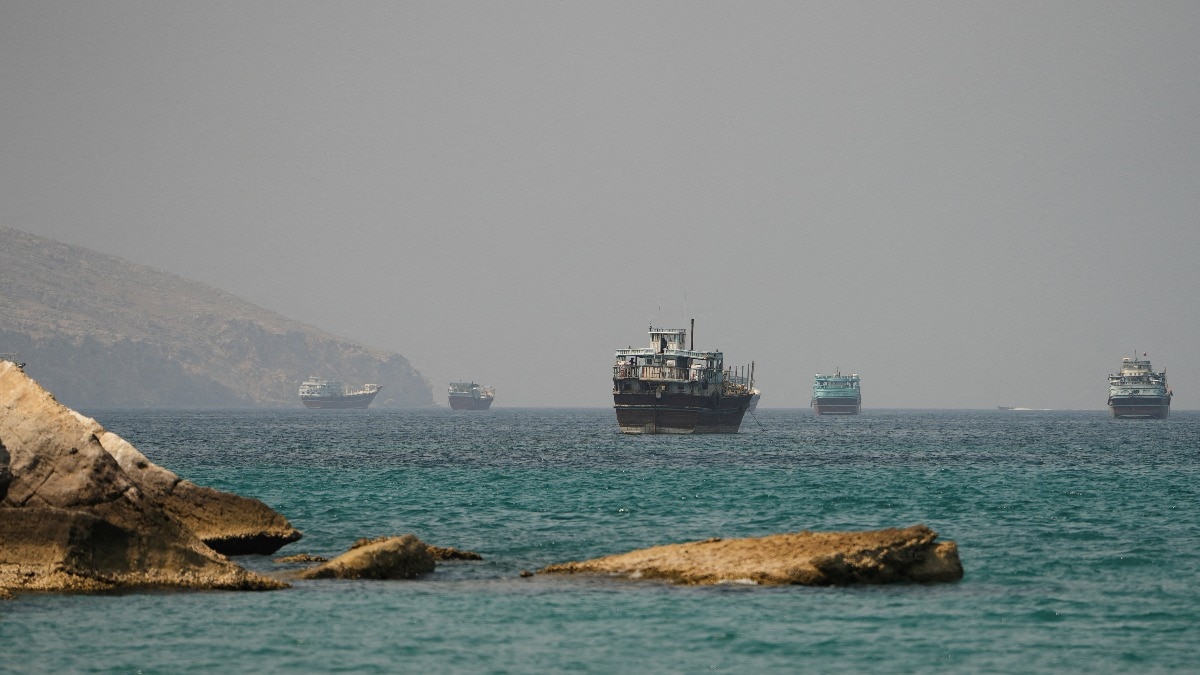
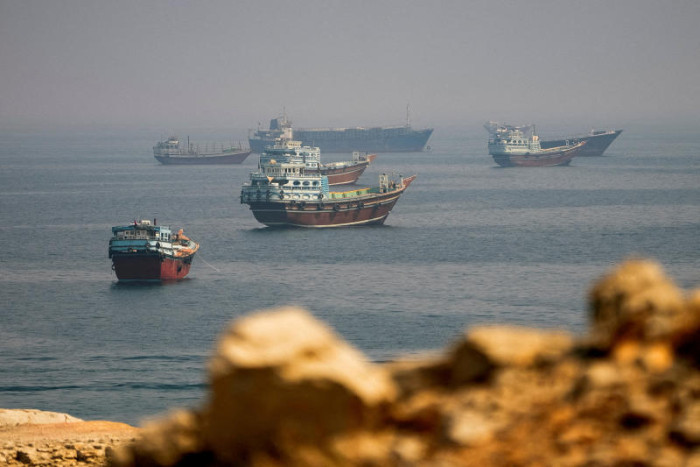
Iran has signalled that it is prepared to reopen the strategically vital Strait of Hormuz within seven days if the United States eases military pressure and lifts its blockade on Iranian ports, a senior Iranian official told news agency Reuters on Tuesday.
The offer points to a possible diplomatic route out of the confrontation, even as Tehran warns that any fresh US military action could trigger a much harsher response. The Strait of Hormuz remains central to the crisis because a major share of global oil supplies passes through the narrow waterway.
"The US needs to announce that it wants to resolve the issue diplomatically, make that official, and then agree on a timeline for how the process will move forward", the official said. The official added that Iran's delegation at the United Nations General Assembly in New York has full authority to restart diplomatic engagement with Washington.
According to the official, Tehran has already sent its proposal to the US through mediators. The proposal was delivered on September 16 and could now provide a starting point for talks aimed at ending hostilities.
"The UN General Assembly is a golden opportunity for the US to return to diplomacy", the official said, adding that Tehran would welcome a revival of diplomacy if Washington takes tangible steps.
This came as Iranian President Masoud Pezeshkian left Tehran for New York on Tuesday to attend the UN General Assembly. However, the Iranian official said Pezeshkian would not hold a direct meeting with US President Donald Trump at the UN headquarters. Instead, Tehran believes details of a possible agreement to end hostilities could be discussed through mediators in New York.
Meanwhile, US Secretary of State Marco Rubio has told NBC News that Washington is open to meeting Iranian officials at the United Nations, although no meeting has been scheduled so far.
"We're open to that. I don't think anything is scheduled at this point, but we're certainly open to something like that, especially if it has the prospects of leading to something positive and ultimately achieving the goal of what this is all about," Rubio said in an interview with the Today show. He said the objective for Washington remained preventing Iran from acquiring a nuclear weapon.
"And that is the fact that Iran can never have a nuclear weapon. They just simply can't."
Rubio's comments came after US President Donald Trump had also indicated that he was "probably open" to meeting Iranian President Masoud Pezeshkian on the sidelines of the UN General Assembly.
However, Trump's willingness to consider talks has been accompanied by repeated warnings to Tehran. In a Fox News interview, Trump said Iran faced three choices: "wiping Iran out," allowing its economy to "rot" or reaching a deal.
"My question is, if and when do I blow the entire nation up," he said.
"They better behave," Trump warned.IRAN WARNS OF NEW WEAPONS
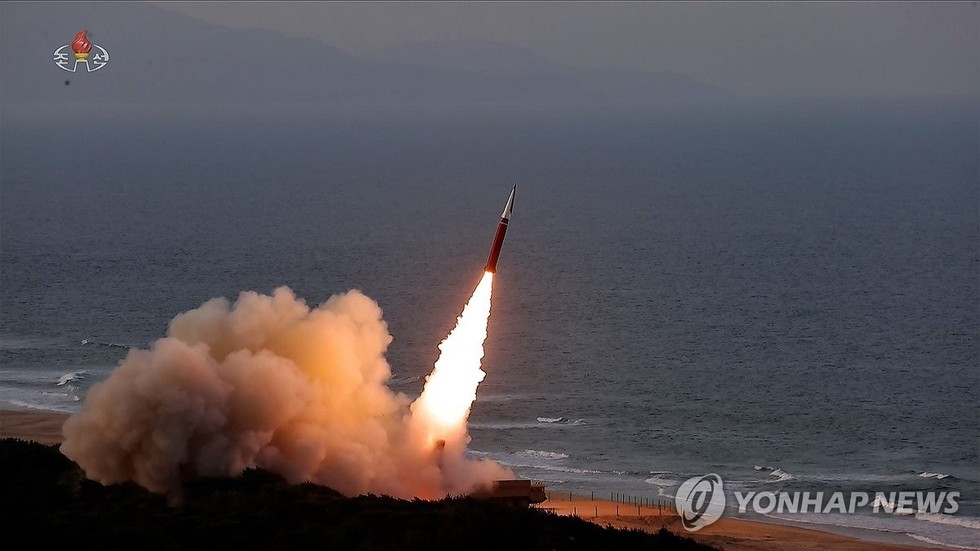
While Tehran has opened the door to negotiations, Iranian military officials have simultaneously warned that another US attack could produce a significantly wider conflict.
Hossein Mohebbi, spokesperson for Iran's Islamic Revolutionary Guard Corps, said Monday that Tehran would alter both the weapons it uses and the geography of the conflict if Washington launches another attack.
"If a new aggression takes place, we will definitely change the weapons and geography of the war," Mohebbi said, according to Iran's semi-official Fars news agency.
The IRGC has also warned that it possesses weapons and has identified targets that have not yet been used during the conflict. Iran's Khatam al-Anbia Central Headquarters separately said its intelligence indicated that the United States and its allies were preparing another large-scale attack.
"If the US makes any mistake against the Islamic Republic of Iran, all its positions and interests in the region will be targeted by sustained, effective and painful attacks," it said, according to Tasnim.SAUDI ARABIA RESTARTS KEY OIL PIPELINE
The developments around Hormuz are also unfolding as Saudi Arabia works to restore alternative routes for its oil exports. Saudi Arabia has restarted operations at its East-West Pipeline and could resume crude exports from the Red Sea port of Yanbu later on Tuesday, according to Reuters.
Drone attacks had forced Riyadh to shut the pipeline on September 13, disrupting crude loadings from Yanbu.
The pipeline provides Saudi Arabia with a crucial alternative to shipping oil through the Strait of Hormuz. Since disruptions to oil flows through the waterway following the US-Israeli war on Iran, Saudi Arabia has been using the pipeline to reroute around 4 million barrels of crude per day to Yanbu.
That volume is roughly 4 per cent of global oil supply.
The restart of supplies helped put pressure on global oil prices. Traders said the return of Saudi supplies contributed to selling in oil markets, with Brent Crude futures falling by more than 2 dollars per barrel to their lowest level since September 8.
However, the pipeline was operating at a low rate following its restart, the sources said.- EndsWith inputs from agenciesPublished By: Satyam SinghPublished On: Sep 22, 2026 17:52 IST